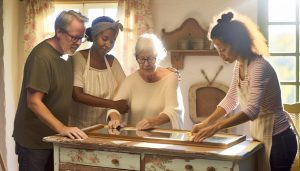
Did you know that beeswax has been used for centuries as a natural way to nourish and protect wood furniture? As we embrace cozy, rustic living, many are turning to this age-old solution for its charm and eco-friendly benefits. In “How to Apply Beeswax Furniture Polish: Natural Shine Secrets,” you’ll discover how to rejuvenate your cherished pieces without harsh chemicals, celebrating the authentic beauty of your home. Whether you’re seeking to revive a well-loved table or simply aiming to maintain the warmth of your cottage decor, beeswax offers a sustainable alternative that enhances the natural grain and luster of wood. Get ready to unlock the secrets of applying beeswax polish, transforming not just your furniture but the very spirit of your space. Let’s dive into the art and joy of handcrafted care that reflects your love for cozy, rustic elegance.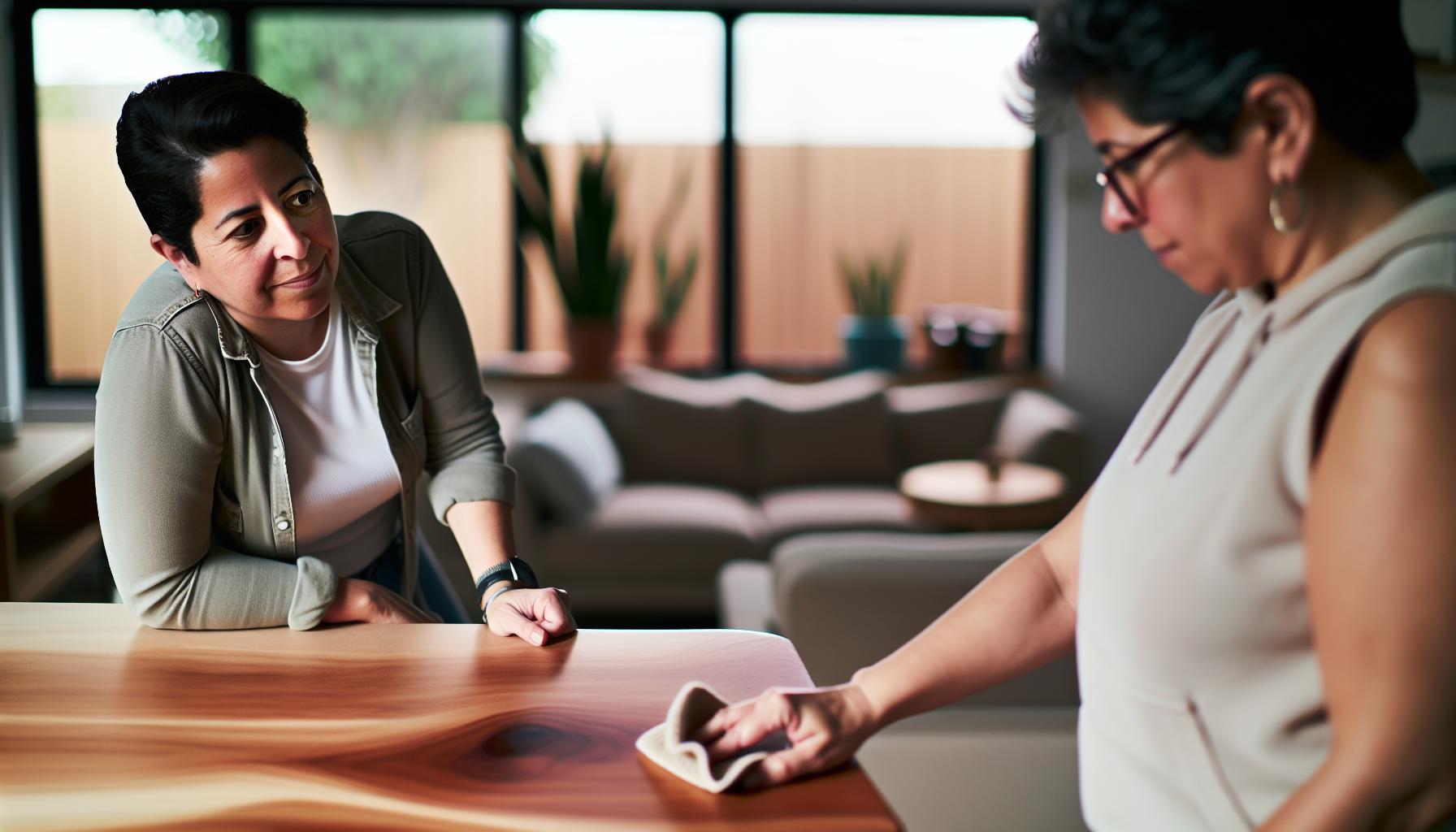
Understanding the Benefits of Beeswax Polish for Furniture
There’s something undeniably comforting about the warm glow of well-maintained wooden furniture in a cozy home. Beeswax polish offers a delightful blend of utility and charm, making it an essential element in nurturing and preserving the beauty of your rustic decor. Not only does beeswax polish enhance the natural grain of the wood, but it also provides several protective benefits that promote longevity. With its gentle, natural formulation, beeswax creates a protective barrier against moisture, dirt, and grime, ensuring that costly or heirloom pieces remain looking their best.
Using beeswax furniture polish is not just about aesthetic improvements; it’s about fostering a deeper connection with your living space. This eco-friendly option aligns beautifully with the principles of cottage living, celebrating handcrafted beauty and sustainability. The rich, natural sheen provided by beeswax not only elevates the look of your furniture but also promotes a healthier home environment, as beeswax is non-toxic and safe for both children and pets. Imagine polishing your antique side table, right in the heart of your kitchen while enjoying the scent of essential oils wafting through the air-transforming a practical task into a moment of sensory delight and mindfulness.
Moreover, beyond its practical advantages, beeswax polish has an exceptional ability to enhance the warmth and personality of your home. With each application, it invites a little bit of nature indoors, and the ritual of polishing serves as a reminder to slow down and appreciate the simple joys of cottage life. Whether it’s an antique dining table that has seen countless family meals or a handcrafted bookshelf filled with beloved stories, a layer of beeswax not only protects but also tells the story of a cherished home, preserving memories while nurturing its essence.
In this journey of rustic decor, embracing beeswax polish paves the way for a lifestyle filled with mindful practices and comforting routines. It’s a simple yet impactful way to infuse your home with care, ensuring that every piece of furniture radiates warmth and life.
Choosing the Right Beeswax Furniture Polish
Selecting the perfect beeswax furniture polish can make all the difference in showcasing the beauty of your wooden treasures while ensuring their longevity. The world of beeswax polish is rich with options, each offering its unique charm and set of benefits. As you embark on this journey, consider the source of your beeswax, the specific needs of your furniture, and the additional ingredients included in the polish, as these factors will help you create a warm and inviting atmosphere in your home.
When exploring different beeswax polishes, focus on those that are derived from sustainably sourced beeswax, as this aligns beautifully with the principles of cottage living. Look for names that evoke nostalgia and authenticity, often found in local artisanal shops or reputable online retailers. A quality wax will not only provide a stunning finish but will also enhance the natural characteristics of the wood, allowing the grain to shimmer and shine. Many products include natural oils, like coconut or jojoba oil, which boost hydration and further protect your wood surfaces from drying out. Always check the ingredient list-avoid synthetic additives or harsh chemicals, as these detract from the eco-friendly appeal of beeswax.
If you’re aiming to create a cozy, rustic aesthetic, consider how different scents can enhance your experience. Many beeswax polishes are infused with essential oils such as lavender or lemon, adding an aromatic layer that transforms the ritual of polishing into a sensory delight. Imagine the soft aroma of lavender enveloping your living room as you lovingly polish your grandmother’s cherished sideboard, making this simple task feel nourishing and rewarding.
Lastly, think about the finish you desire. Some beeswax products offer a matte finish perfect for a more understated, farmhouse vibe, while others may provide a glossier sheen that elevates the elegance of your furnishings. Test a small area first to discover the right effect for your home. As you stand back and admire your newly polished piece, you’ll not only see the immediate benefits of your choice but feel a deeper connection to the space you nurture. is not just a transaction-it’s an investment in the warmth and spirit of your beloved home.
Step-by-Step Guide to Applying Beeswax Polish
The secret to bringing out the natural beauty of your wooden furniture lies in a simple yet rewarding ritual: applying beeswax polish. With its ability to nourish and protect the wood while providing a lovely sheen, beeswax polish transforms each piece into a shining centerpiece of your home. Here’s how to embark on this delightful journey and enhance your cottage living experience.
Start by gathering your supplies: a can of high-quality beeswax polish, a soft lint-free cloth, and a small bowl if you prefer to use your hands. Before diving into the polishing, it’s essential to ensure the surface is clean and free of dust or debris. Use a damp cloth to wipe down your furniture, letting it dry completely-this sets the perfect stage for the beeswax to adhere beautifully to the wood.
Applying the Beeswax Polish
Now it’s time to unleash the polish! Take a small amount of beeswax polish-especially important if you’re using a tub or can-and warm it slightly in your hands if necessary. This will help it spread more easily. Using a soft cloth, dip it into the polish and, in gentle circular motions, apply it to the wood. Start with a small section to gauge how much product is needed; the goal is to create an even and thin layer that won’t leave a residue.
As you polish, think about the stories that your furniture holds. Each swipe of the cloth is not just maintenance; it’s a moment of connection with your home’s history. Continue to work the polish into the wood, ensuring that you cover all surfaces, including corners and edges. Allow the beeswax to sit for about 10 to 15 minutes to let it penetrate the wood before finishing touches.
Finishing Touches
Once the time has passed, take a clean section of the cloth and buff your furniture with firm, sweeping motions. This step is crucial as it enhances the shine while removing any excess polish. You might want to step back occasionally to admire your work-a freshly polished piece of furniture not only looks stunning but also feels revived and cherished.
Before you step away completely, take a moment to appreciate how this simple act has enhanced the comfort and beauty of your living space. Adopting such mindful practices nurtures the spirit of cottage living, creating warmth and inviting atmosphere. Every polished surface tells a story, shining a light on your commitment to handcrafted beauty and a cozy, rustic lifestyle. Happy polishing!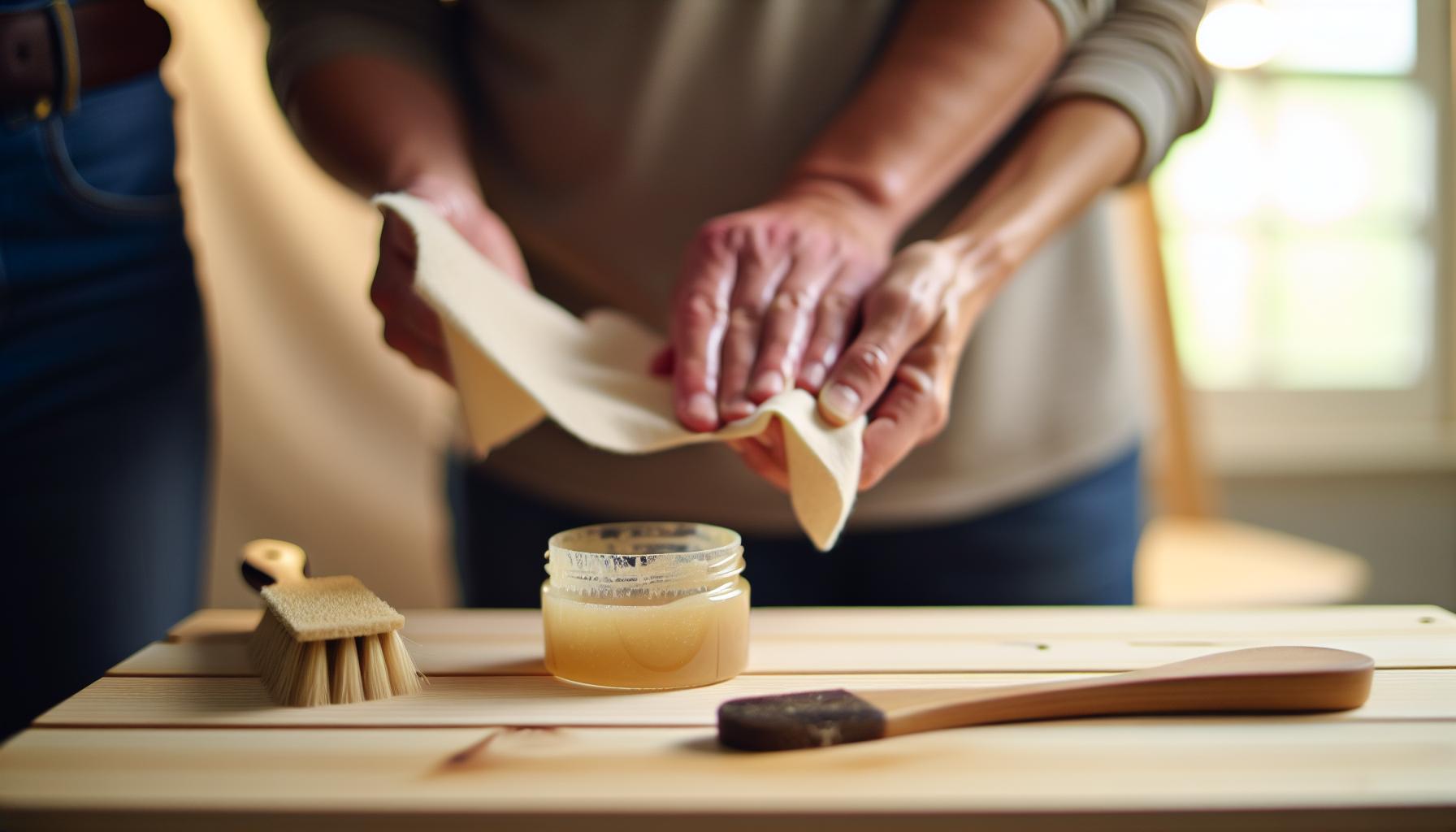
Tips for Preparing Your Furniture Surface
To achieve the best results when applying beeswax polish, preparing your furniture surface with care is essential. A well-prepared surface ensures that the polish adheres evenly, enhances the wood’s natural beauty, and provides long-lasting protection. To begin this charming journey, take a moment to inspect your wooden furniture. Look for any signs of dust, grime, or accumulated oils that might interfere with the polish’s ability to penetrate and nourish the wood.
Start with a gentle but thorough cleaning. Use a damp cloth, ideally one that is lint-free, to wipe down the surface, removing dust and debris. If your furniture has stubborn spots or sticky residues, consider using a mixture of warm water and a drop of mild dish soap. This creates a natural solution that gently lifts grime without harming the finish. After cleaning, allow your furniture to dry completely; this step is crucial as any moisture left on the surface can prevent the beeswax from bonding properly.
Once your piece is clean and dry, it’s a lovely idea to assess the condition of the wood. If you notice any scratches or imperfections, a light sanding with fine-grit sandpaper can help smooth these areas, creating a more even canvas for the beeswax. Remember to wipe away any dust from sanding once you’re done; a fresh, clean surface is the ideal setting for the polish to work its magic. This thoughtful approach not only prepares your furniture for polishing but also deepens your connection to your home’s craftsmanship.
Lastly, take a moment to appreciate the character of your furniture. Each piece tells a story, and preparing it for a new layer of shine is a way of honoring that history. With the surface well-prepared, you are now ready to embrace the soothing ritual of applying beeswax polish, transforming your furniture into a radiant centerpiece that adds warmth and charm to your cozy abode.
Techniques for Polishing Different Furniture Types
To truly embrace the art of caring for your furniture, it’s essential to understand that different materials require unique polishing techniques. Every piece of furniture carries its distinct character, and by tailoring your approach, you can enhance its natural beauty. Whether you’re polishing a charming farmhouse table or a sleek modern coffee table, the beeswax polish can transform any surface into a radiant masterpiece.
For hardwood furniture, like oak or cherry, it’s best to apply the beeswax polish using a soft, lint-free cloth in gentle, circular motions. This technique ensures even application while allowing the polish to penetrate the wood’s grain. Start with a small amount of beeswax, gradually adding more as needed, so you don’t overwhelm the surface. For antique or varnished pieces, a lighter touch is advisable, as excessive polishing could strip the finish.
When it comes to reclaimed wood or rustic pieces, much of their charm comes from their textures and imperfections. Here, a slightly firmer brush or cloth can help work the beeswax into the crevices and aged surfaces, highlighting the wood’s unique patterns. Unlike fine furniture, these pieces thrive on a bit of character, so you’re free to be more generous with the amount of polish you use. Let your imagination guide you as you infuse life into the rustic aesthetic!
For furniture with intricate carvings and details, such as vintage sideboards or ornate chairs, consider using a small artist’s brush or an old toothbrush to apply polish in those hard-to-reach areas. This method allows the beeswax to settle into the delicate designs without creating a gloppy mess. Following the detailed brushing, wipe away any excess polish with a cloth to maintain a clean and polished look.
Lastly, leather furniture deserves a loving touch too. Begin by dusting the surface to remove any debris, then apply a small amount of beeswax polish with a soft cloth. The key is to massage the beeswax gently into the leather, allowing it to nourish and condition the material. This process not only enhances the natural shine but also protects against moisture and wear, ensuring your leather pieces remain as cozy and inviting as ever.
As you embark on this enchanting journey of polishing, remember that each technique enriches your furniture’s story while reflecting your unique style. In this way, your living space becomes a canvas of handcrafted beauty, inviting warmth and charm into your rustic haven. Embrace the simple joys of caring for your beloved pieces; they each play a part in crafting the serene, cozy atmosphere we all cherish in our cottages.
Maintaining Your Furniture After Polishing
After a delightful session of polishing with beeswax furniture polish, your cherished pieces beckon for a little extra care to maintain their newfound luster. Just like tending to a blooming garden, keeping your furniture looking its best is a nurturing process that promotes not only aesthetics but longevity. It’s this gentle commitment that embraces the essence of cozy cottage living, celebrating crafted beauty in your home.
To maintain your furniture’s shine, regularly dust the surfaces to prevent grime from settling in and dulling the finish. Use a soft, lint-free cloth or a microfiber duster to gently wipe away any particles that may accumulate over time. This simple act not only refreshes the polish but also keeps the original beauty of the wood visible. Consider establishing a routine-perhaps a monthly check-in to pamper your furnishings-this isn’t just maintenance; it’s a way to turn care into cherished ritual.
Protecting Your Furniture
While the beeswax polish offers a natural barrier against moisture and stains, it’s wise to keep spills at bay. Wipe up any liquids immediately to avoid absorption. For dishes or decorative items placed on polished surfaces, consider using coasters or mats to prevent scratches and damage. Sturdy placemats can make family dinners less worrisome and protect that rustic table you love so dearly.
Reapplying Beeswax Polish
Over time, your polished surfaces may begin to lose their sheen. Instead of lengthy sanding or refinishing, reapply beeswax polish to reinvigorate your furniture’s beauty. A light reapplication every few months can be all it takes to maintain that rich, warm glow. Simply follow the same application technique as before, using soft circular motions to ensure even coverage.
By framing these practices within the comforting ambiance of cottage life, each moment spent maintaining furniture can feel like part of a broader narrative-one that values durability, aesthetics, and the stories woven into each piece. Embrace this nurturing journey and let your home radiate warmth, charm, and the playful spirit of rustic design!
Common Mistakes to Avoid When Using Beeswax Polish
When engaging in the delightful art of using beeswax polish, it’s all too easy to make a few common missteps that detract from the beauty you’re striving to enhance. Understanding these pitfalls can transform your polishing experience from a task into a joyful ritual that breathes new life into your beloved furniture. One of the most frequent mistakes is over-applying the polish. While it might be tempting to slather on more for an extra shine, too much can lead to a sticky residue that attracts dust and dirt, making your surfaces appear lackluster rather than radiant. A light touch is key; think of it as a gentle caress that honors the natural grain of the wood.
Another common error is neglecting to prepare the surface properly before application. Dust, dirt, and previous layers of polish can interfere with how well the beeswax adheres and performs. Always take the time to wipe down the furniture with a soft, clean cloth to ensure a smooth, unblemished finish. This little step can make all the difference, allowing the beeswax to penetrate and protect the wood naturally.
Lastly, many enthusiasts overlook the significance of polishing direction. Using a circular motion is essential to avoid streaking and to ensure even coverage. It may feel natural to go back and forth, especially if you’re in a hurry. However, this can lead to uneven application and frustrating results. Instead, embrace the comforting rhythm of circular movements, akin to the gentle sway of nature itself, to cultivate a harmonious shine that reflects the essence of your cozy cottage home.
By being mindful of these lapses, you’ll find that your furniture not only shines beautifully but also embodies the warmth and charm of rustic living. Each application becomes a cherished moment, connecting you with the handcrafted beauty and community spirit that defines your unique space. Embrace these nurturing practices, and allow your furnishings to whisper their stories through the radiant glow of well-cared-for wood.
Ideas for Incorporating Beeswax Polish in Rustic Decor
Incorporating beeswax polish into your rustic decor not only enhances the natural beauty of your furniture but also embraces the charming, handcrafted aesthetic characteristic of cottage living. This versatile polish serves not just as a protectant, but as a means of infusing your home with the warmth and timeless appeal that rustic spaces are known for. From weathered farmhouse tables to vintage chairs, beeswax polish breathes new life into each piece, allowing the unique stories of your furnishings to shine through.
One delightful way to integrate beeswax polish is to showcase it on statement pieces like an antique sideboard or a reclaimed wood coffee table. After polishing, consider accessorizing these surfaces with rustic decor elements such as burlap runners, homemade ceramic vases, or clusters of wildflowers in mason jars. This combination celebrates the beauty of natural materials while providing a cozy, inviting space for family gatherings and conversations. Additionally, using beeswax polish on wooden picture frames can make your cherished memories pop, creating a beautiful focal point on your walls.
Another creative approach is to refine smaller furniture pieces or decor items, such as hand-carved wooden bowls or rustic shelving units. The gentle sheen from the beeswax not only adds a protective layer but also amplifies the rich colors and textures found in reclaimed wood. Surrounding these polished pieces with potted herbs or seasonal decorations can bring a vibrant touch to your rustic decor while maintaining an organic, grounded feel.
Incorporating beeswax polish extends beyond polishing your furniture; consider using it on wooden kitchen items like cutting boards and utensils. Not only does this keep them in good condition, but it also aligns perfectly with the farmhouse-style kitchen aesthetic, where every piece has a purpose and a story. By adopting beeswax polish as part of your decor ritual, you not only preserve the integrity of the wood but also cultivate a serene, rustic environment that speaks to the heart of cottage living.
Embrace the simple joys of caring for your home through mindful preservation, and let your living spaces reflect the unique beauty of rustic charm, all while enjoying the delicate luster that beeswax polish provides.
How to Make Your Own Beeswax Furniture Polish
Crafting your own beeswax furniture polish is not only a meaningful way to embrace the art of home care but also a wonderful opportunity to infuse a bit of your personality into the process. The joy of making your own natural products brings you back to the essence of cottage living, celebrating simple joys while nurturing your home. With just a few simple ingredients, you can create a polish that brings out the natural beauty of wood, providing protection and a lovely shine that echoes the charm of rustic decor.
To get started, gather your materials. You’ll need:
- Beeswax: The star ingredient, which is both a protectant and a natural conditioner.
- Carrier Oil: Olive oil is an excellent choice, lending a beautiful sheen and nourishing your wood.
- Essential Oils (optional): A few drops can add a lovely scent. Consider cedarwood or lavender for a rustic touch.
The process is simple and rewarding. Begin by setting up a double boiler, or if you don’t have one, a heatproof bowl over a pot of simmering water will do. Cut your beeswax into small chunks-around one part beeswax to four parts oil-for an ideal consistency. Gently melt the beeswax in the bowl, stirring occasionally until it’s completely liquefied.
Once melted, slowly pour in the carrier oil while continuing to stir until the mixture is well combined. If you’re using essential oils, add them at this stage. Pour the warm mixture into clean glass jars or tins and allow it to cool and solidify. This homemade beeswax furniture polish is now ready to work its magic on your beloved wooden pieces, providing not just protection but a beautiful, naturally warm aroma that fills your home with comfort.
Utilizing this home-crafted polish serves as a delightful reminder of the lovingly crafted beauty found in cottage décor. Brushing this mixture onto your furniture can rejuvenate even the most weathered pieces, enlivening the tales they hold. As you integrate this simple yet enriching project into your routine, you not only care for your furnishing but also celebrate the art of handcrafted living, imbuing your cottage with the heartwarming glow of nature’s best.
Seasonal Care: When to Polish Your Furniture
When it comes to enhancing the life and beauty of your wooden furniture, timing can be as important as the techniques you choose. While beeswax polish works wonders throughout the year, certain seasons provide ideal conditions for polishing your beloved pieces. Understanding when to engage in this enriching ritual can lead to a more vibrant, well-maintained home.
As winter wanes and spring approaches, the air becomes warmer and drier, making it a perfect time for polishing. Dust and humidity can wreak havoc on wooden surfaces, leading to dullness and potential damage. Spring cleaning is a treasured tradition in many households, and including beeswax polishing in your routine can breathe new life into your furniture, enhancing its natural charm. For larger pieces, such as dining tables or armoires, consider polishing when you are preparing your space for gatherings, allowing the wood to shine brightly as it welcomes family and friends.
Summer, with its warm days and cool evenings, is another wonderful time to polish. This season often encourages outdoor living, and wooden outdoor furniture can be particularly susceptible to wear and exposure. A protective layer of beeswax not only beautifies but also shields the wood from the elements. It’s the perfect opportunity to embrace a cozy, rustic aesthetic by incorporating a family furniture care day, where everyone can join in, share stories, and create lasting memories while tending to the heart of your home.
As autumn approaches, with its colorful foliage and crisp air, a ritual of polishing can prepare your spaces for the upcoming holiday season. This is a time for gathering, and ensuring your furniture is in tip-top shape means that your home will be ready to embrace the warmth of your community and family.
Lastly, during the colder months, particularly mid-winter, consider giving your furniture a gentle polish if it has seen significant use during the holiday season. A light polishing can refresh the surfaces while providing a bit of extra nourishment to the wood, countering any drying effects that winter air may bring.
By aligning your polishing schedule with these seasonal changes, you not only care for your furniture but also embrace the simple joys of cottage living, nurturing your home with love and attention. Each polishing session transforms a chore into a celebration of beauty and craftsmanship, ensuring your rustic spaces remain a warm haven for yourself and anyone who steps through the door.
Enhance Your Home’s Warmth with Natural Shine
When wooden furniture gleams with a natural shine, it becomes more than just a functional piece; it transforms into a heartwarming centerpiece of your home. The warm luster of beeswax polish brings out the unique grain patterns of each wooden surface, infusing your rustic decor with a charm that speaks to craftsmanship and care. It’s about embracing the simple joys of cottage living-a lifestyle that values both beauty and functionality.
Using beeswax polish not only enhances the aesthetic appeal of furniture but also nourishes the wood, creating a protective barrier against everyday wear and tear. This natural product, rich in nutrients, hydrates the wood, preventing cracks and prolonging the life of your cherished pieces. Just imagine the satisfaction of knowing that with every careful application, you are uplifting your home’s ambience and preserving the legacy of your furniture for future generations to enjoy.
To incorporate this delightful practice into your home, think of your beeswax polishing sessions as a chance to gather loved ones. Share stories as you polish a beloved heirloom, or involve children in creating their unique touch with their own small pieces. The process of enhancing the shine of furniture becomes more than a chore; it evolves into a cherished tradition, fostering connections and memories wrapped in warmth and care.
As you explore the different methods of applying beeswax polish, consider the textures and colors of your furniture-each deserves its own personalized approach to shine. By selecting the right beeswax blend and using thoughtful techniques, you can accentuate your wood’s unique characteristics, ensuring your home radiates warmth and charm that welcomes everyone who crosses your threshold. Embrace these moments, and let the natural beauty of your surroundings reflect the love you put into creating a heartwarming, cozy sanctuary.
Frequently asked questions
Q: How often should I apply beeswax furniture polish?
A: Applying beeswax furniture polish every 3 to 6 months can help maintain your furniture’s shine and protection. However, factors such as use and exposure to sunlight can affect frequency, so adjust based on your furniture’s condition. For seasonal care tips, check the Seasonal Care: When to Polish Your Furniture section.
Q: Can beeswax polish be used on all types of wood?
A: Yes, beeswax polish is suitable for most wood types, including hardwoods and softwoods. However, always test on a small, inconspicuous area first to ensure compatibility. For polishing techniques specific to different furniture types, consult the Techniques for Polishing Different Furniture Types section.
Q: What is the best way to remove old beeswax polish?
A: To remove old beeswax polish, gently clean the surface with a soft cloth soaked in mineral spirits or white vinegar. This helps dissolve the wax without damaging the wood. For more detailed advice, refer to the Common Mistakes to Avoid When Using Beeswax Polish section.
Q: Does beeswax polish leave a sticky residue?
A: When applied properly, beeswax polish shouldn’t leave a sticky residue. Ensure you buff the surface well after application to achieve a smooth, non-tacky finish. For best practices, see the Step-by-Step Guide to Applying Beeswax Polish.
Q: Is beeswax furniture polish safe for pets?
A: Yes, beeswax furniture polish is generally safe for pets, as it is made from natural ingredients. However, always check the specific product label to confirm no harmful additives are included. For more information on product selection, refer to Choosing the Right Beeswax Furniture Polish.
Q: How can I enhance the shine of my beeswax polished furniture?
A: To enhance the shine, buff your beeswax polished furniture with a clean, dry cloth after application. For a deeper shine, consider applying a second coat after the first has dried. For polishing techniques, check the Techniques for Polishing Different Furniture Types section.
Q: Can I mix essential oils with beeswax furniture polish?
A: Yes, you can mix essential oils with beeswax polish for added fragrance and benefits. Start with a few drops and blend well to avoid altering the consistency. For DIY tips, see the How to Make Your Own Beeswax Furniture Polish section.
Q: What are the environmental benefits of using beeswax polish?
A: Using beeswax polish is eco-friendly as it’s biodegradable and derived from natural sources. This contrasts with synthetic polishes that can contain harsh chemicals. Embrace natural products in your decor by exploring rustic ideas in the Ideas for Incorporating Beeswax Polish in Rustic Decor section.
Wrapping Up
Now that you’re equipped with the secrets to applying beeswax furniture polish, it’s time to revive your cherished pieces with a natural shine that reflects your cozy aesthetic. Remember, using beeswax not only enhances the beauty of your furniture but also helps protect it from wear and tear, making it an essential ally in your rustic home care routine. Don’t wait-grab your beeswax and start polishing today!
For more delightful ideas on home care, check out our guides on DIY decor projects and seasonal gardening tips that can complement your improved living space. Interested in diving deeper into handmade beauty? Explore our article on the benefits of natural ingredients for home maintenance, and join our newsletter for exclusive tips and updates. Share your creations with us in the comments below, and let’s celebrate the simple joys of cottage living together!