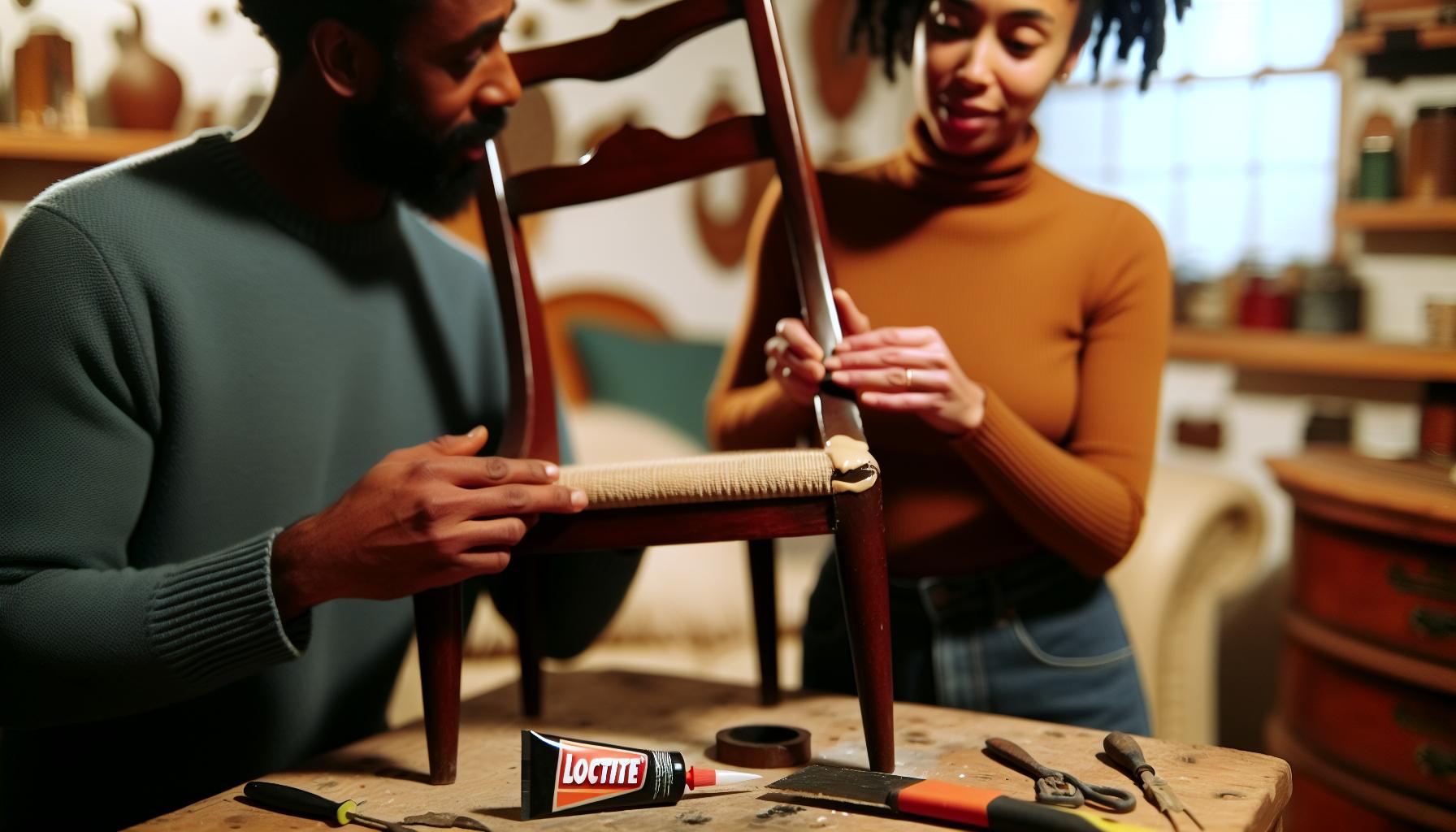
In the serene embrace of cottage living, furniture tells stories, from cherished family gatherings to peaceful mornings with coffee. Yet, as time marches on, even the sturdiest pieces may need a little love. Knowing how to apply Loctite can transform your rustic treasures back to life, ensuring that they remain strong and reliable.
This simple, yet effective adhesive offers just the solution for those DIY repairs that keep your abode cozy and your memories intact. Not only does it create lasting connections between surfaces, but it also supports your creative spirit, allowing you to maintain the handcrafted charm of your home. In this guide, we will explore step-by-step techniques for using Loctite effectively, empowering you to embrace your inner artisan. Get ready to dive into the world of inventive repair and sustainable living-your furniture deserves it!

Choosing the Right Loctite for Your Furniture Repairs
When embarking on furniture repairs in your cozy cottage, selecting the right Loctite product can make all the difference between a job well done and one that leaves you feeling frustrated. Loctite offers a variety of adhesives, each tailored to specific materials and uses, ensuring that you can find the perfect companion for your restoration tasks. For instance, Loctite Power Grab Express Heavy Duty Construction Adhesive is ideal for projects where strong, durable bonds are needed, especially on porous surfaces like wood, making it a fabulous choice for furniture repairs. Its quick-drying nature allows you to move on to the next step without a lengthy wait, embodying the spirit of efficiency that complements our cottage lifestyle [3].
For rusted metal furniture, the Loctite Naval Jelly Rust Dissolver becomes your go-to solution. This heavy-duty formula effectively removes rust and prepares the surface for further treatment or repairs, ensuring that the longevity of your rustic pieces is preserved
Preparing Your Furniture for Loctite Application
Before diving into your furniture repair project with Loctite, it’s essential to set the stage for success. The preparation process can significantly impact the strength and effectiveness of your adhesive bond, ensuring your beloved pieces last for years to come. Start by gathering your materials and tools, as having everything on hand will make the process feel tidy and smooth, much like the comforts of cottage living.
Begin with a thorough cleaning of the surfaces to be bonded. Dust, dirt, and old paint residues can weaken the adhesive’s grip, leading to frustrating results. Use a soft cloth and a mild cleaner appropriate for the material-whether it’s wood, metal, or plastic-to remove any debris. For wood surfaces, a gentle sanding can also help create a better grip for the adhesive. Remember, the charm of rustic decor comes from its beauty, so treating your furniture with care will allow its character to shine through even after repairs.
Once your items are clean and dry, check for any loose pieces or structural damage on your furniture that might need attention before applying any adhesive. For instance, if you’re repairing a chair, ensure that the joints are stable and that any wobbly legs are solidified before introducing your trusty Loctite. This proactive step ensures that your hard work will hold up under daily use, allowing you to enjoy the cozy aesthetic of your home without worry.
Finally, consider the environment in which you’ll be working. Make sure you’re in a well-ventilated space, especially if you’re using stronger adhesives. Arrange your workspace to have ample light and easy access to your tools, creating a serene atmosphere that embodies the spirit of cottage craftsmanship. With everything prepared, you can move on to the next stage of your project, ready to bring new life to your cherished furniture. Embrace this process as a cozy journey of restoration, reflecting the heartwarming essence of cottage living.
Step-by-Step Guide to Applying Loctite
When it comes to applying Loctite to your cherished furniture, the process is as important as the product itself. This sturdy adhesive will become a reliable partner in your cottage repair endeavors, ensuring that your favorite pieces can endure daily use and wear. To achieve that strong bond, follow this step-by-step guide that carefully outlines how to maximize the effectiveness of your Loctite application.
Begin by selecting the appropriate Loctite product for your specific repair. For most furniture repairs, the Loctite Shoe Glue or an equivalent strong adhesive is ideal due to its flexibility and durability. Make sure to read the instructions on the tube to familiarize yourself with the application process. Next, prepare your device: squeeze a small amount of adhesive onto a clean surface or directly onto the area needing repair, taking care not to apply too much as excess glue can ooze out and create a messy job.
Application Process
- Press and Hold: Once the adhesive is on the surface, press the pieces together firmly. Hold them in place for at least 10 minutes to allow the adhesive to set initially. This part requires patience, as it ensures that the bond remains strong.
- Clamp if Necessary: If the repairs involve larger or heavier parts, use clamps or heavy objects to maintain pressure while the glue cures. This additional support is crucial for creating a lasting bond, especially on pieces that will experience movement.
- Let it Cure: After the initial set, allow the glue to cure fully. This can generally take around 24 hours. During this time, avoid putting any stress on the bonded joint to ensure the strongest fix possible.
Lastly, take a moment to clean any excess glue before it hardens, as it can be more challenging to remove later. A gentle scrape with a craft knife or, for certain adhesives, a bit of rubbing alcohol can help tidy the area. Embrace the charm of the cottage craftsmanship by allowing your repairs to blend seamlessly with the existing design. Each fixed piece not only enhances your rustic decor but also tells a story of care and preservation, reflecting the heartwarming spirit of cottage living.
Common Mistakes to Avoid When Using Loctite
Using Loctite for your furniture repairs is a fantastic way to restore the charm of your rustic pieces. However, many eager DIYers may inadvertently make common mistakes that can hinder the effectiveness of their repairs. One of the most frequent errors is applying too much adhesive. While it may seem intuitive to use a generous amount for a stronger bond, over-application can lead to glue spilling out, creating a messy appearance and a weaker joint. A little goes a long way; it’s essential to apply just enough to cover the surfaces that need adhesion without excess oozing out.
Another mistake lies in neglecting to properly prepare the surfaces. For optimal adhesion, furniture surfaces should be clean, dry, and free from dust or grease. Skipping this step can prevent the glue from adhering effectively, potentially leading to a failed repair. A gentle wipe with a cloth and a suitable cleaner ensures that your surfaces are ready to bond, allowing the magic of Loctite to work its wonders.
Patience is a virtue, especially when it comes to letting the adhesive cure. A common pitfall is to rush this process or to reintroduce stress to the joint before the adhesive has had a chance to set fully. Following the guidelines for curing times is critical; typically, waiting at least 24 hours before using the repaired furniture will yield the best results. During this time, avoid moving or putting weight on the repaired area, as this ensures a strong bond.
Lastly, don’t overlook the importance of tidying up after your application. Cleaning any excess glue immediately can save time and effort later, as it can harden into a stubborn mess if neglected. Keeping your workspace neat not only enhances the aesthetic appeal of your repairs but also reflects the loving care that cottage living embodies. Celebrating the imperfections and the stories behind each piece is what makes cottage decor so enchanting-embracing these little quirks brings warmth and character to your home.
Tips for Achieving a Strong Bond with Loctite
When it comes to achieving a strong bond with Loctite in your furniture repairs, there are several key practices that can make all the difference. This enchanting adhesive, known for its versatility, works wonders when applied correctly. It’s a delight to watch how a little Loctite can breathe new life into your cherished rustic pieces, but there are some essential tips to keep in mind.
First and foremost, ensure that you choose the correct Loctite product for your needs. For furniture repairs, the blue variety is often recommended because it is removable and ideal for applications that may need disassembly in the future. The red variant offers a more permanent bond, which is perfect for heavy-duty installations but can be difficult to reverse. Understanding the specific needs of your project will guide you in making the right choice.
Preparation is an equally crucial step. Take a moment to gather your tools, and ensure the surfaces you’re bonding are squeaky clean. Dust, grease, or any old adhesive residue can act as barriers to a successful bond. Consider using a gentle cleaner and a cloth to wipe down the surfaces, followed by a dry cloth to ensure no moisture lingers. This simple yet effective tip can significantly enhance adhesion and contribute to the longevity of your repairs.
When it’s time to apply the adhesive, a light hand is your best friend. Instead of slathering it on, aim for a thin, even layer that covers just enough of the surfaces. This not only minimizes the mess but also maximizes the bond strength. Once applied, hold the pieces together for a few moments to let the adhesive grab. Following this, allow the repair to cure undisturbed for the recommended time, usually 24 hours, to achieve optimal strength without any premature stress.
Finally, don’t let little imperfections worry you. Each scratch and dent tells a story about your home and lifestyle. By embracing these quirks and flaws, you preserve the authenticity that makes cottage living so enchanting. With patience and care, you’ll not only be repairing furniture but also cherishing the moments it represents. Enjoy the process, and take pride in the cozy atmosphere you’re creating in your beloved cottage.
Caring for Your Furniture After Repairs
After lovingly repairing your treasured furniture with Loctite, the journey doesn’t end there; how you nurture and care for these restored pieces is just as important in preserving their charm and functionality. A little extra attention post-repair goes a long way in ensuring your rustic items not only remain sturdy but also continue to tell the story of your cozy cottage lifestyle.
To foster longevity in your repairs, start by keeping the repaired items in a controlled environment. Excessive humidity and temperature fluctuations can compromise the adhesive bond. Consider using a dehumidifier or maintaining a consistent indoor climate, especially during the seasonal transitions when the air can be particularly dry or damp. Additionally, if your furniture is exposed to direct sunlight, place it away from windows or cover it with lightweight cloths to protect the finish and reduce fading over time.
Cleaning is also an essential component of post-repair care. Use gentle, non-abrasive cleaners that are suitable for the material of your furniture. Regularly dusting and wiping down surfaces with a soft, damp cloth will keep dirt and grime at bay, preventing any potential weakening of the bond. When handling items that are more ornate or delicate, consider using a microfiber cloth to avoid scratches while also effectively removing dust.
In the delightful spirit of cottage living, see these care routines as opportunities for mindfulness and creativity rather than chores. Perhaps you could set up a cozy corner with your favorite herbal tea and a good book while you clean and care for your furniture. Not only will this help maintain the aesthetics of your rustic home, but embracing these rituals will reinforce the connection you have with your space. Remember, every piece of furniture has its story, and with a little love and care, those stories will continue to unfold beautifully in the heart of your cottage.
Exploring Alternative Adhesives for Cottage Repairs
In the charming realm of cottage repairs, exploring alternative adhesives beyond Loctite opens up a world of creativity and functionality. Whether you’re working on restoring a beloved wooden chair or patching up a rustic shelving unit, understanding your adhesive options can lead to more resilient and lasting bonds. Each adhesive has its own unique properties, making some better suited for specific applications than others.
Popular Alternatives to Consider:
- PVA Glue: Often referred to as white glue, PVA is a water-based adhesive that’s perfect for wooden furniture. It’s non-toxic, dries clear, and can be sanded once cured, making it a favorite among DIY enthusiasts for indoor projects.
- Wood Glue: Tailored specifically for wood joinery, wood glue creates incredibly strong bonds and is designed to expand into the porous materials of wood. It’s an excellent option for structural repairs and can fill small gaps in joints.
- E6000 Craft Adhesive: Known for its versatility and strength, E6000 works well for both permeable and non-permeable surfaces, making it ideal for mixed-media projects that combine wood with fabrics or metals.
- Epoxy: A two-part adhesive that forms an incredibly tough bond, epoxy is perfect for repairing broken furniture legs or securing loose joints. By using epoxy, you can ensure your repairs withstand everyday use.
When selecting an adhesive, consider factors such as the material you’ll be working with and the conditions your furniture will be subjected to. For instance, if your repaired item will live outdoors or in a garage, you’ll want to choose an adhesive that withstands moisture and temperature changes.
Finally, while alternative adhesives can certainly be effective, they sometimes require different application techniques and curing times. Always follow the manufacturer’s instructions for the best results. Embrace the delightful journey of cottage care, and remember, each repair not only restores functionality but also deepens the story of your cherished home. So gather your tools, select your adhesive, and enjoy the process of crafting beauty from the old!
Maintaining the Aesthetic of Your Rustic Furniture
Maintaining the charm and aesthetic of your rustic furniture goes beyond simply applying adhesives like Loctite; it involves a thoughtful approach to preservation and enhancement. The innate beauty of rustic pieces often lies in their imperfections, the stories they tell, and the natural textures they embody. When you engage in repairs, consider how the fixes can not only restore functionality but also elevate the visual appeal of your cherished items.
One of the best methods to maintain that rustic charm is to embrace the natural hues and finishes of the wood. After applying Loctite to strengthen joints or fix broken parts, think about whether a coat of oil or a matte wax finish could enhance the wood’s grain without overshadowing its raw beauty. For instance, applying a natural beeswax finish can enrich the color while adding a layer of protection. Other options, such as tung oil or mineral oil, can also bring out the richness of the wood, providing a delightful sheen that complements the rustic aesthetic.
When working on furniture, it’s also important to consider the surrounding decor. A well-coordinated space that celebrates your furniture’s rustic style can amplify its charm. Arrange your pieces with other vintage finds, like an antique clock or a stack of well-loved books, creating a narrative that draws the eye and invites stories. A mismatched but cohesive blend of colors and textures, such as soft linens, woven baskets, and distressed metal accents, can harmonize beautifully with your rustic furniture.
In addition, small decorative elements can accentuate the rustic aesthetics of your repairs. For instance, using reclaimed knobs or handles from local artisan shops can add unique character to a restored dresser or cabinet. These little personal touches not only enhance your furniture’s visual appeal but also contribute to a sense of community and connection to the handcrafted movement that defines rustic decor. By giving thought to the finishes, surrounding decor, and unique accents, your repaired furniture can continue to serve as a warm and inviting focal point in your cottage home.
Long-Term Care and Maintenance Tips for Cottage Decor
It’s no secret that the charm of cottage decor comes from its character, warmth, and distinct stories told through furniture and accessories. To keep your beloved pieces looking inviting, it’s essential to embrace a long-term care routine that ensures durability while maintaining that rustic feel. Your furniture, having been lovingly repaired with Loctite, can continue to thrive with simple yet effective maintenance steps.
Regular dusting using a soft microfiber cloth can prevent dust build-up, which can dull the finish over time. Incorporate a gentle cleaning solution made from equal parts water and vinegar for deeper cleans without harsh chemicals that can strip your furniture’s natural oils. Additionally, it’s wise to apply a protective coat of beeswax or a natural wood conditioner every few months. These treatments not only enhance the wood’s beauty but also fend off moisture and dust, protecting repairs made with Loctite.
Paying close attention to the environment around your furniture is equally vital. Place your pieces away from direct sunlight, as prolonged exposure can fade colors and cause wood to split. Similarly, avoiding areas with fluctuating temperatures, such as near heat sources or air conditioners, will help maintain the integrity of the materials. For outdoor cottage furniture, consider using covers or storing pieces away during harsh weather to prolong their life.
Lastly, a well-loved cottage often becomes a gathering place for family and friends, leading to natural wear and tear. When accidents occur, don’t fret. Keep a small repair kit on hand that includes Loctite and a few basic tools. This way, you can quickly address minor damages, ensuring that your furniture remains both functional and beautiful. By creating a mindful and loving approach to your home decor, each piece can become a cherished part of your family’s legacy, continuing to tell stories for years to come.
Creative DIY Projects Using Loctite for Furniture
Transforming your rustic furniture with DIY projects not only gives you a chance to personalize your space but also creates cherished memories in your cozy cottage. Using Loctite in these creative endeavors can ensure your pieces are sturdy and enduring while allowing your artistic flair to shine through. Imagine building a custom shelving unit, turning an antique wardrobe into a functional storage space, or reviving a beloved chair with unique charms-each project can contribute to the cozy ambiance of your home.
One delightful project is creating a charming wooden tray. With a few reclaimed wood pieces and some Loctite, you can assemble a beautiful serving tray perfect for lazy Sunday brunches or evening gatherings. Cut the wood to your desired dimensions, secure the pieces together using Loctite, and once dry, paint or stain it to complement your existing decor. This functional piece not only serves a purpose but also brings a touch of handcrafted beauty to your cottage table.
Consider updating your garden or outdoor area with Loctite by constructing a rustic planter box. Use untreated wood or pallets; secure the corners with Loctite for a sturdy finish. You can personalize it by adding painted designs, or creating sections for your favorite herbs or flowers. This DIY project brings the charm of nature closer to your home while giving you a place to nurture your green thumb.
Another charming idea is to revitalize old furniture pieces with “upside-down” projects. Think about flipping an old ladder to create a unique bookshelf or plant stand. Use Loctite to attach any new shelves you might need, allowing your creativity to flow as you decide which trinkets or plants will adorn these spaces. This not only provides functionality but also serves as an artistic statement, seamlessly blending style with the rustic charm of your cottage.
As you engage in these projects, remember that the beauty of cottage living lies in the stories and connections formed with each handcrafted piece. Share your experiences and these DIY creations with friends and family-invite them over for a cozy crafting session or a showcase of your latest furniture transformations. Celebrate the community spirit and the love for rustic decor, ensuring your cottage remains a warm and inviting haven, filled with personal touches and joyful memories.
Real-life Examples of Successful Cottage Repairs
In the world of cottage living, the charm of rustic furniture often comes with stories of wear and tear. By using Loctite adhesive, many homeowners have found joy in reviving their beloved pieces, transforming fractured legs and wobbly tables into sources of pride. One popular story comes from a couple who turned an antique dining table, which had been in their family for generations, into a sturdy centerpiece for their cottage dining area. After carefully sanding down the surface to remove old stains, they used Loctite to reattach a wobbly leg that had been a point of frustration for years. With a thoughtful application and some clamps for reinforcement, the table now stands sturdy, perfectly balancing its rustic charm with longevity.
Another heartwarming example involves a family who salvaged an old rocking chair that held countless memories of quiet evenings and bedtime stories. The armrests had begun to separate, leaving the chair teetering dangerously. They opted to use Loctite to secure the connections instead of traditional wood glue, which can break down over time. The application was quick and easy; they followed up with a bit of light sanding before applying a fresh coat of paint, giving the chair a new lease on life while preserving its sentimental value. This rocking chair now cradles the next generation, continuing the cycle of love and comfort within the family’s rustic decor.
A DIY enthusiast took on the project of restoring a vintage bench that had started to show its age. After applying new wood stains to match their cottage’s aesthetic, they discovered that several joints were loose. Using Loctite to secure these joints not only strengthened the bench but also allowed for a rapid completion before hosting a summer gathering. Guests were drawn not only to the gorgeous finish but also to the compelling story of its revival, adding to the cozy atmosphere of the cottage.
These real-life examples remind us that with a little ingenuity and the right adhesive, cherished furniture can endure the test of time, reflecting the warmth and creativity of our cottage living spaces. They encourage a hands-on approach to home care, inviting us to actively engage with our surroundings while fostering a sense of community through shared stories and DIY triumphs. Whether it’s restoring a family heirloom or crafting something new, the magic of Loctite shines through, binding not just wood but also memories into the fabric of our homes.
In the heart of every vibrant cottage community, stories of repair and revival flourish like wildflowers in the garden. There’s something profoundly rewarding about sharing the journey of bringing beloved furniture back to life using Loctite. Whether it’s a cherished heirloom passed down through generations or a rustic piece picked up at a flea market, these moments of restoration offer a glimpse into the creativity and craftsmanship that define cottage living.
Many enthusiasts find joy in exchanging tales of their successful restorations, as every project comes with its unique charm and challenges. For instance, a family might recount how they transformed a rickety old bookshelf from a roadside find into a stunning display for their collection of vintage mugs. With a little sanding, a splash of paint, and clever application of Loctite to secure loose joints, they not only saved the piece from the scrap yard but also enriched their home’s rustic aesthetic. Sharing such stories inspires others to undertake their repairs, igniting passion for DIY projects that foster connection to both furniture and family history.
You, too, can contribute to this growing community by sharing your repair stories, lessons learned, and techniques that have become second nature. Consider documenting the process with photographs or even short videos, highlighting the handy ways you’ve utilized Loctite to create lasting bonds in your furniture. Perhaps you’ve developed a special technique for applying the adhesive or discovered an unexpected trick to blend a repaired area seamlessly into the overall look of your piece. By sharing your journey, you not only celebrate your own achievements but also empower others to embark on their DIY adventures.
Joining forums or social media groups dedicated to DIY crafting and cottage living can open up a world of shared experiences. These platforms often serve as a treasure trove of inspiration and support, where like-minded individuals share their successes and seek advice. As you weave together your repair stories, remember that each piece you restore has its own story to tell, and your contributions may create a tapestry of collective creativity that celebrates the artisan spirit of cottage life. Embrace the opportunity to uplift others while finding comfort in the shared joys of handcrafted beauty.
Faq
Q: What is the best Loctite product for furniture repairs?
A: For furniture repairs, Loctite PL Premium or Loctite Power Grab is ideal due to their strong bonding capabilities on various surfaces. Always select the specific type suited for your project; for example, Power Grab is excellent for interior applications. Refer to the section on choosing the right Loctite for more tips.
Q: How long does it take for Loctite to cure on furniture?
A: Loctite typically requires 24 hours to fully cure, although initial bonding may occur within minutes. For best results, avoid using or stressing the repaired area until fully cured. For a detailed application guide, see our step-by-step section.
Q: Can I use Loctite on both wood and metal furniture?
A: Yes, many Loctite products, like Loctite PL Premium, are versatile and effective on both wood and metal. Ensure surface preparation and follow application guidelines for optimal adhesion. Check the preparation section for detailed instructions.
Q: What should I do if I applied too much Loctite?
A: If you applied excess Loctite, carefully remove the excess with a solvent before it cures. For strong bonding, follow the manufacturer’s guidelines on application amounts discussed in the common mistakes section of our article.
Q: How do I clean up Loctite after application?
A: Clean up Loctite while it’s still wet using acetone or rubbing alcohol. Once cured, it becomes much harder to remove, so act quickly. For further post-application care, refer to our section on caring for your furniture after repairs.
Q: Is it safe to use Loctite indoors?
A: Yes, many Loctite adhesives are safe for indoor use, provided you use them in a well-ventilated area and follow safety instructions. Refer to our article for safety tips and alternatives if you prefer eco-friendly options.
Q: How can I ensure a strong bond when using Loctite?
A: To achieve a strong bond, clean surfaces thoroughly, apply Loctite evenly, and clamp the pieces together if possible. Follow the tips in the article to maximize your adhesive’s effectiveness for enduring repairs.
Q: What are the alternatives to Loctite for furniture repairs?
A: Alternative adhesives include epoxy, wood glue, and super glue, each suitable for specific materials and applications. Explore the section on exploring alternative adhesives in our article for more insight into choosing the best product for your repairs.
In Conclusion
Now that you know how to apply Loctite to ensure your furniture stays strong and beautiful, it’s time to get creative with your rustic home! Don’t wait-take action today and strengthen those cozy corners of your cottage. If you’re interested in more tips, check out our guides on seasonal gardening or DIY decor projects that will elevate your cozy nook.
If you have questions or want to share your successful repairs, leave a comment below! And for regular updates on all things cottage living-from farmhouse recipes to miniature builds-sign up for our newsletter. Embrace the simplicity and charm of handcrafted beauty, and remember, every day is an opportunity to make your home a little more inviting. Happy crafting!