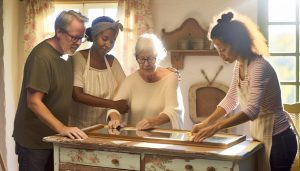
Have you ever poured hours of love and creativity into a furniture project, only to see the beauty fade too soon? Applying a top coat is your secret weapon to ensure your hard work shines brightly and lasts for years to come. This essential step not only enhances the appearance of your piece but also provides a protective barrier against everyday wear and tear. Whether you’re rejuvenating a vintage find or finishing a DIY creation, mastering the art of top coating is key to preserving your rustic charm. Join us as we explore the techniques and tips that will help your furniture achieve that perfect, lasting finish, allowing you to fully celebrate your cozy cottage lifestyle. Your handcrafted treasures deserve it!
Choosing the Right Top Coat for Your Furniture

Choosing the perfect top coat for your furniture can feel like a daunting task, but it’s an essential step in preserving your piece’s beauty while enhancing its longevity. The right top coat not only protects your furniture from daily wear and tear but also adds an elegant finish that can elevate your home decor. With the cozy charm of cottage living in mind, selecting a top coat can become a delightful part of your DIY journey, celebrating the handcrafted and rustic aesthetics that make our spaces feel warm and inviting.
When contemplating your options, consider the type of finish you desire. Here are some popular choices:
- Polyurethane: This durable, water- or oil-based finish offers a hard, protective layer, making it ideal for high-traffic areas. Choose a water-based version for quicker drying times and a lower odor.
- Varnish: Known for its water resistance, varnish creates a tough barrier and enhances the natural beauty of wood grain. However, it can yellow over time, so opt for a clear or light-colored product if that’s a concern.
- Wax: For a softer, more natural appearance, wax can provide a lovely luster while being easy to apply and reapply. However, it requires more frequent touch-ups and is less durable than poly or varnish.
- Shellac: This traditional finish dries quickly and provides a warm glow, perfect for achieving that rustic, vintage feel. Its reapplication is easy, but it tends to be less water-resistant.
Factors to Consider
Choosing the right product involves assessing how the furniture will be used, the environmental conditions it will face, and your aesthetic preference. For pieces that will see daily usage, such as dining tables or kitchen islands, a polyurethane coating is often recommended due to its resilience. On the other hand, for decorative items like side tables or accent pieces, a softer finish like wax or shellac may suffice. Always remember the “test patch” method-applying your chosen product to a small, inconspicuous area can help visualize how it will alter the piece’s appearance while revealing any compatibility issues.
Ultimately, the charm of cottage living is about creating spaces that reflect your personality and warmth. The right top coat will not only protect but also enhance the beauty of your furniture, allowing your cherished pieces to shine for years to come. Embrace this process with joy, knowing that every brushstroke is a step toward crafting a cozy, inviting home that tells your unique story.
Essential Tools for Top Coating Furniture

When you’re ready to breathe new life into your furniture with a fresh top coat, having the right tools at your fingertips can transform a simple DIY project into a rewarding experience. Picture embracing the warmth of cottage living as you gather your supplies, each one bringing you closer to achieving that perfect finish that not only protects your hard work but also enhances the beauty of your pieces in your cozy home.
To embark on your top-coating adventure, start with a few essential tools. Firstly, a high-quality paintbrush is crucial for a smooth and even application. Opt for a natural bristle brush for oil-based products or a synthetic brush for water-based finishes. A foam applicator can also be excellent for achieving an ultra-smooth coat, particularly if you’re working on a flat surface. Don’t forget a good quality lint-free cloth or tack cloth-these help in preparing and cleaning your surface for the perfect application.
Additionally, preparing your workspace is just as important. A drop cloth will protect your floors from any spills or drips, ensuring you don’t have to worry about the aftermath of your creativity. If you’re working in a confined space, ensure there’s enough ventilation; a simple fan can make a world of difference when working with finishes that emit strong odors. Lastly, consider a paint tray for easy access to your top coat, allowing you to control the amount of product you’re using while minimizing waste.
As you gather your tools, let the charm of the cottage aesthetic inspire you. Each brushstroke is not merely a task but a moment to connect with your cherished furniture, infusing your home with personality and warmth. Embrace the simple joys that come with these projects, celebrating the handcrafted beauty of your work. Remember, it’s all about the journey as much as the destination-so take your time, enjoy the process, and transform your living space into a cozy haven that tells your unique story.
Step-by-Step Guide to Applying Top Coat
To achieve a beautiful and durable finish on your furniture, the top coating process is crucial, and it can be a delightful journey filled with creativity and craftsmanship. Think of this as your moment to truly connect with your furniture, enhancing not just its look but also its life and charm. Here’s how you can transform your piece with a touch of artistry and care.
Start by ensuring your workspace is well-prepared. Lay down a drop cloth to protect your floors, and make sure that the area is well-ventilated, refreshing your space just like a gentle breeze through a cozy cottage. Once your environment is set, it’s time to get started. Begin by stirring your chosen top coat thoroughly to ensure a consistent application. Pour a small amount into your paint tray, just enough to dip your brush without overwhelming it.
Next, dip your brush into the top coat, allowing any excess to drip off back into the tray. Start applying the top coat using long, even strokes, working against the wood grain initially, then smoothing it out with the grain. This technique allows the finish to settle evenly, preventing bubbles and streaks. It’s essential to remain patient; if you find yourself with drips or sags, do not fret. Simply go back over those areas with your brush before the coat begins to dry.
Allow the first coat to dry completely according to the manufacturer’s instructions-this could range from a couple of hours to overnight, depending on the product used. During this time, take a moment to embrace the beauty of your surroundings, maybe brew a comforting cup of tea, and let the anticipation build for the next steps. Once dry, lightly sand the surface using fine-grit sandpaper to create a smooth finish that helps the subsequent layers adhere better. Wipe off any dust with a lint-free cloth to prepare for the next coat.
Apply at least two to three coats, repeating the process of brushing, drying, and light sanding in between, for a robust and beautifully finished piece. With each layer, you’re not just protecting your furniture but also adding depth and a lovely sheen that captures the essence of cottage charm.
As you finish, step back and admire your handiwork. The satisfaction that comes from transforming an ordinary piece into something extraordinary is truly one of life’s simple joys. Your efforts not only enhance the aesthetics of your home but also infuse it with warmth and character, creating a welcoming space reminiscent of the cherished traditions of cottage living.
Preparing Your Furniture for a Perfect Finish
To create a stunning and long-lasting finish on your beloved furniture, meticulous preparation is not just beneficial-it’s essential. Imagine the sense of accomplishment you’ll feel as you unveil a beautifully coated piece that reflects your care and attention to detail. This process begins long before you reach for your brush; it requires a thoughtful approach to ensure each layer of top coat adheres flawlessly and enhances the character of your furniture.
Start by thoroughly cleaning your item, removing any dust, grease, or old wax that could interfere with the new finish. Use a gentle cleanser appropriate for the material, and consider a light sanding with fine-grit sandpaper to promote better adhesion. This step not only smooths the surface, eliminating imperfections, but also allows the top coat to grip more effectively. Wipe away any residue with a lint-free cloth, ensuring a pristine canvas for your work.
Next, inspect your furniture for any repairs that might be necessary. A loose leg or scratch can be easily mended and will create a more polished look once the top coat is applied. For wooden pieces, fill any gouges or holes with wood filler that matches your furniture, allowing it to dry per product instructions before sanding it flush. This attention to detail embodies the essence of cottage living-where even the smallest imperfection is an opportunity for cherished character rather than a flaw.
Choose an ideal workspace that marries function with coziness. A well-ventilated area is critical, as it prevents fume buildup while also providing a refreshing environment, reminiscent of a breezy afternoon in a rustic garden. Lay down a drop cloth to protect your floors and arrange your tools-brushes, rollers, and trays-within easy reach. This preparation not only streamlines your workflow but adds to the ambience, inviting creativity into the process like a warm hug on a cool day.
As you immerse yourself in this rewarding project, remember that every step you take brings you closer to a beautifully finished piece that adds life and warmth to your home. The effort you invest now will yield delightful dividends for years to come, turning your furniture into a beloved centerpiece that tells a story of craftsmanship, patience, and a touch of cottage charm.
Common Mistakes to Avoid When Sealing

When embracing the artistry of top coating your furniture, it’s not uncommon to stumble upon a few pitfalls along the way. Ignoring these missteps could result in unsatisfactory finishes that don’t reflect the hard work and love you’ve poured into your project. Let’s delve into those crucial mistakes, ensuring your pieces shine their brightest and embody the rustic charm you cherish.
One of the foremost mistakes is failing to adequately clean and prepare the surface before application. Dust, grease, and old wax residues can prevent the top coat from adhering properly, leading to peeling or a patchy finish. Always take the time to thoroughly clean your furniture, and remember that a gentle sanding can do wonders for surface preparation. This step creates a textured surface that encourages better adhesion, ensuring that your efforts don’t go in vain.
Timing is another critical aspect often overlooked by DIY enthusiasts. Rushing the curing process or applying subsequent coats too soon can result in an uneven finish. It’s vital to follow the manufacturer’s instructions regarding drying times between each layer. Patience is a virtue here; allow each coat to fully dry before moving forward, which will reward you with a smooth, durable finish worthy of your cozy abode.
Additionally, neglecting proper ventilation can be a significant oversight. Many top coats produce fumes that can be harmful if inhaled, so always select a well-ventilated workspace. Not only does this ensure your safety, but it also contributes to achieving a flawless finish. Open windows and a gentle breeze can make your space as inviting as a sunlit afternoon in a garden hut, allowing creativity to flourish.
Lastly, don’t forget to save your brushes and tools for the specific type of top coat you are using. Different finishes may require unique application tools, and using the wrong ones can lead to streaks and an uneven surface. Invest in quality brushes or rollers that match your chosen top coat for the best results. As you embrace each step with conscientious care, you’ll find that even the smallest details can transform your cherished furniture into standout pieces brimming with character and heartfelt craftsmanship.
With these insights at hand, you’re well on your way to achieving stunning results in your furniture projects, celebrating the joys of rustic living through your beautifully sealed creations.
How to Achieve a Smooth, Even Coat

To achieve that coveted smooth and even coat on your furniture, it’s essential to approach the task with a blend of technique and care. First, consider the type of top coat you’re using. Water-based finishes often dry quicker but can be less forgiving in terms of application time. On the other hand, oil-based products offer a beautiful finish, albeit with a longer drying period. Whichever you choose, ensuring your workspace is well-prepared is half the battle won.
When you’re ready to start, use the right tools. A high-quality brush or roller that suits the viscosity of your top coat can make a significant difference. For larger surfaces, a foam roller can help create a smooth finish without leaving brush strokes, while a fine-bristle brush is perfect for corners and detailed areas. Before you dive into applying your top coat, remember to do a test patch on a less visible area. This little step can save you from potential mismatches in finish and allow you to refine your technique.
As you begin applying the top coat, make light, even strokes to ensure an uninterrupted spread. It’s a good practice to work in small sections, feathering the edges of where you’ve applied the finish to avoid drips and uneven areas. If you notice any bubbles forming, a gentle brush stroke can help them settle; don’t panic! Just be sure to wait for the layer to fully dry before inspecting further.
Finally, don’t overlook drying conditions and environment. Ideally, you want to work in a dust-free, well-ventilated space. Dust particles can adhere to your wet finish, ruining your efforts. If you’re working in a cozy cottage environment, consider using a fan to help with air circulation while avoiding any direct breeze on the freshly coated surface, which can disturb the finish. By embracing these thoughtful practices, the beauty of your handmade furniture will truly shine, embodying the heart of rustic living that you’ll cherish for years to come.
Tips for Drying and Curing Your Top Coat
To ensure your freshly applied top coat achieves that luxurious, long-lasting finish, it’s crucial to understand the subtle art of drying and curing. This part of the process can make all the difference between a beautifully sealed piece of furniture and one marred by imperfections. Did you know that the right drying conditions not only affect the look of your finish but also its durability? A bit of patience and some thoughtful practices can lead to remarkable results for your cherished furniture.
First and foremost, always follow the manufacturer’s recommendations regarding drying times. These can vary based on the type of finish you’re using-water-based top coats will generally dry faster than oil-based ones. However, just because a top coat feels dry to the touch doesn’t mean it’s completely cured. Curing can take days or even weeks, depending on the thickness of the application and environmental conditions. A good rule of thumb is to resist placing heavy items on your newly coated surfaces for at least a week; this allows for full hardness to develop, providing that resilient surface you desire.
Optimal Drying Conditions
Creating the ideal environment can significantly impact the drying and curing process. Here are some tips to enhance your workspace:
- Temperature: Aim for a consistent temperature between 65°F to 75°F (18°C to 24°C). Too cold can prolong drying, while excessive heat might lead to bubbles.
- Humidity: Keep humidity levels low, ideally below 50%, to prevent moisture from interfering with the drying process.
- Airflow: Ensure good ventilation to promote even drying. A fan can help, but avoid direct drafts on your pieces to prevent dust from settling.
Another essential consideration is dust control. Even the smallest speck of dust can become an unsightly blemish in your finish. Consider covering your furniture with a clean, breathable cloth or using a dust-free area for the first 24 hours post-application. This will protect your hard work as it dries and cures.
Remember, drying and curing your top coat is not merely a waiting game; it’s an integral part of loving your craft and celebrating the beauty of handcrafted furniture. As you care for these precious pieces, you will find joy in the process, knowing that every layer brings you closer to a rustic haven filled with warmth and charm. Embrace the patience needed in this step and look forward to the lovely results of your meticulous efforts!
Maintaining Your Top Coated Furniture
To cherish and maintain the beauty of your top-coated furniture, it’s vital to embrace a few simple yet effective care practices. A well-cared-for piece not only enhances your cozy cottage aesthetic but also deepens the love you have for your handcrafted creations. Here are some thoughtful tips to help you nurture your furniture and keep it looking splendid for years to come.
First and foremost, gentle cleaning is key. Avoid harsh chemicals that can strip away that precious top coat; instead, use a soft, lint-free cloth lightly dampened with water or a mild soap solution. Wipe surfaces with care, and always dry them immediately to prevent any moisture from seeping into the wood. This routine not only preserves the finish but also awakens your furniture’s natural charm.
As seasons change, so do the demands on your furniture. Seasonal checks can be incredibly rewarding. During the dry winter months, consider using a humidifier to maintain moisture levels in your home. Excessively dry air can lead to cracks in wood finishes, diminishing their allure. Conversely, in humid months, ensure your furniture has adequate airflow around it to prevent moisture build-up. While your freshly sealed surfaces are quite resilient, protecting them from extreme temperatures and humidity will help them thrive.
Don’t forget to reapply top coats as necessary. Depending on use and exposure, you might find that your furniture needs a refreshing layer every few years. This not only enhances its visual appeal but also bolsters its protection against wear and tear. If you notice dull patches or scuffs, it’s a good time to consider a touch-up. Just remember to clean the surface first, allowing the new layer to bond properly.
Lastly, create a nurturing environment with personal touches. Display treasured items or seasonal decorations that resonate with your style, enhancing not just the furniture but the cozy atmosphere of your home. Invite friends and family to appreciate your unique pieces-it’s a wonderful way to share your love for rustic living and handcrafted beauty. By cherishing these beautiful items, you embrace the warmth of cottage culture and infuse your space with character and love.
Troubleshooting: Fixing Top Coat Issues
To nurture the charm of your recently top-coated furniture, it’s essential to be aware of potential pitfalls that can occur during the drying and curing process. These issues are quite common and, thankfully, often easy to address. Whether you are facing a cloudy finish, uneven texture, or the dreaded peeling, understanding how to troubleshoot these challenges will ensure your handcrafted pieces shine with all their rustic beauty.
Among the most frequent mishaps is the formation of a cloudy finish, which can occur if moisture gets trapped under the top coat, particularly if applied in a high-humidity environment. To remedy this, allow the piece to dry completely in a well-ventilated area. After it’s thoroughly dried, lightly sand the affected area with fine-grit sandpaper and apply a fresh, thin layer of top coat. Make sure to adhere to recommended drying times between coats to prevent a recurrence.
Another common issue is uneven texture or drips that can happen if too much product is applied at once or if the application technique falters. In such cases, wait for the top coat to dry and then gently sand down any imperfections before reapplying, ensuring you use a smooth, continuous motion with your brush or roller. This will not only create a more even surface but will also provide an opportunity to appreciate the craftsmanship that went into your furniture.
Occasionally, you might notice a peeling top coat, which could signal that the surface underneath wasn’t adequately prepped or cleaned prior to application. If you find peeling, carefully remove the loose sections of top coat, prep the surface by cleaning and sanding it, and then reapply the top coat, ensuring you’ve created a strong bond with the furniture surface.
In addition to these issues, always keep an eye on the drying conditions-avoid placing your furniture in direct sunlight or damp environments until fully cured. As part of your routine maintenance, lovingly checking for and addressing these issues strengthens not just your furniture but also the connection you have with your handcrafted creations, making each piece uniquely yours and deeply entwined with your cozy cottage lifestyle. Remember, every challenge is simply an opportunity to refine your craft and celebrate the rustic beauty that comes from a little perseverance.
Eco-Friendly Top Coating Options
Choosing eco-friendly options for top coating your furniture not only enhances its beauty but also respects our beautiful Earth. With a rising awareness of environmental issues, many artisans and DIY enthusiasts are seeking out sustainable finishes that are as kind to nature as they are to their cherished pieces. Whether you’re restoring a family heirloom or crafting something new, there’s a world of earth-conscious top coats that can protect your hard work without compromising on quality or aesthetics.
Natural oils, such as tung oil and linseed oil, are fantastic choices for achieving a durable and stunning finish. These oils penetrate deeply into the wood, nourishing it while providing a water-resistant barrier. When applied properly, they bring out the rich tones and textures of the wood, celebrating its natural beauty. Many crafters find these oils to be forgiving and easy to use, making them perfect for both novice and experienced furniture makers. Just remember, the key to success with oils lies in patience; multiple thin layers are preferable to a single thick one.
For those who prefer a more traditional finish, consider opting for water-based polyurethane. Unlike their solvent-based counterparts, these environmentally friendly options have low to zero VOCs (volatile organic compounds), minimizing their impact on indoor air quality. Available in various sheen levels, they provide a hard and clear protective layer while being easy to clean up with soap and water. Their quick drying time is an added bonus, allowing you to enjoy your newly finished furniture sooner rather than later.
The charm of eco-friendly finishes extends beyond just functionality-they bring an aura of rustic simplicity and warmth to your home. By choosing these natural materials, you are making a meaningful connection with not only your craft but also with the environment, echoing the values of community craftsmanship and a cheerful cottage lifestyle. Moreover, showcasing these beautiful finishes in your space reflects a commitment to sustainability that can inspire others within your circle.
Incorporating into your furniture projects truly embodies the spirit of cottage living, where every choice celebrates both creativity and conscientiousness. So gather your brushes, embrace the simplicity of natural materials, and enjoy the journey of sealing your hard work in a way that honors the beauty of the world around you.
Enhancing Your Furniture’s Aesthetic with Finishing
There’s something undeniably magical about how a carefully chosen finish can transform a piece of furniture, elevating it from mere utility to a stunning focal point in your home. Finishing not only enhances the aesthetic appeal but also contributes to the protection and longevity of your cherished creations. When you apply a top coat, you’re not just sealing the wood; you’re bringing out rich, natural colors and textures, adding depth to your furnishings, and ultimately creating pieces that resonate with warmth and personality.
To begin the enchanting journey of enhancing your furniture’s aesthetic, it’s important to consider the type of finish that complements your style and the mood of your space. For instance, natural oils such as tung and linseed oil are perfect for creating a rich, organic look. They seep into the wood, emphasizing grain patterns and warming the tones, making them ideal for rustic or farmhouse decor. Alternatively, a clear water-based polyurethane provides a sleek, modern finish while protecting your piece from moisture and wear, making it perfect for kitchen tables or high-traffic areas.
Tips for Choosing the Right Finish
- Consider the Wood Type: Different woods react uniquely to various finishes, so it’s essential to test a small area first.
- Match Your Decor: Choose a finish that harmonizes with your existing decor style to create coherence in your space.
- Think About Functionality: Determine how the furniture will be used-dining room chairs may require a more durable finish compared to decorative pieces.
A vibrant top coat can also serve to enhance the furniture’s functionality and durability, ensuring that your hard work remains intact through the years. Applying a protective finish should be approached with care, allowing each layer to dry and cure thoroughly. This not only results in a more polished look but also provides better protection against daily wear. Embrace the quaint charm of cottage living by letting each piece of furniture tell a story, reflecting your creativity and passion for handcrafting beauty in your home.
With the right finishing touch, every piece of furniture can become a statement of your personal style and commitment to craftsmanship, making your space feel cozy, inviting, and distinctly yours. So, gather your favorite brushes, select that perfect finish, and embark on this delightful endeavor that marries artistry with practicality. Your finished projects will not only be beautiful but will also beautifully echo the spirit of community and connection within your home.
Long-Term Care for Your Sealed Furniture
When you pour your heart into finishing furniture, it feels only right to ensure it stays beautiful for years to come. Proper long-term care not only preserves the finish but also highlights the craftsmanship and love embedded in each piece. Begin by establishing a gentle cleaning routine: use a soft, damp cloth for routine dusting, and steer clear of abrasive materials that could scratch the surface. For a deeper clean, consider a solution made of mild soap and water, applied sparingly. Always dry the furniture thoroughly with a clean, soft towel to prevent water damage.
To maintain the allure of your top coat, it’s essential to periodically rejuvenate the finish. This is particularly true for high-traffic pieces like dining tables or coffee tables. Applying a thin layer of appropriate furniture polish or a specialized top coat can restore shine and offer an extra layer of protection against wear and tear. Just remember to follow the manufacturer’s recommendations for drying times to avoid any mishaps.
Storage also plays a vital role in the longevity of your sealed furniture. Position your pieces away from direct sunlight and heat sources, which can cause fading and warping. If you need to store furniture long-term, wrap it in breathable materials, and consider climate-controlling your storage space to prevent moisture buildup, which can lead to mold or swelling.
By incorporating these nurturing strategies into your care routine, not only will you cherish each piece for its beauty and function, but you’ll also cultivate a home filled with warmth and stories, inviting both family and friends to create new memories together in a beautifully curated space.
Faq
Q: What is the best time to apply a top coat on furniture?
A: The best time to apply a top coat is in a controlled, warm environment, ideally when temperatures are between 60-80°F (15-27°C). Avoid high humidity to prevent drying issues. Refer to the “Tips for Drying and Curing Your Top Coat” section for more details.
Q: How many coats of top coat should I apply on my furniture?
A: Generally, two to three coats of top coat are recommended for optimal protection and finish. Each layer should be lightly sanded before applying the next to ensure adhesion and a smooth finish. Check “How to Achieve a Smooth, Even Coat” for guidance.
Q: Can I use a foam brush for applying top coat?
A: Yes, a foam brush can be used for applying top coat, especially for smooth finishes. However, you may want to use a high-quality bristle brush for edges and corners to avoid bubbles. Visit “Essential Tools for Top Coating Furniture” for more insights.
Q: What should I do if my top coat is bubbling?
A: If your top coat is bubbling, it may be due to moisture or applying the coat too thickly. Sand down the area to remove bubbles and reapply a thin coat. For troubleshooting, see “Troubleshooting: Fixing Top Coat Issues” for effective solutions.
Q: Do I need to sand before applying a top coat?
A: Yes, sanding before applying a top coat is essential. It helps create a better bond for the new layer and removes imperfections from previous finishes. For detailed preparation steps, refer to “Preparing Your Furniture for a Perfect Finish.”
Q: How long should I wait between top coat applications?
A: You should wait 2-4 hours between top coats, allowing the previous layer to dry appropriately. Always check the manufacturer’s instructions for specific drying times. For curing tips, consult “Tips for Drying and Curing Your Top Coat.”
Q: Can I apply a top coat over a stain?
A: Yes, you can apply a top coat over a stain, but ensure the stain is completely dry before proceeding. This will help achieve an even finish and prevent any smudging. Explore “Step-by-Step Guide to Applying Top Coat” for more detailed instructions.
Q: Is it necessary to use a primer before applying a top coat?
A: While not always necessary, using a primer can enhance adhesion, especially on raw wood surfaces. A primer can also help prevent stains from bleeding through. Check out “Choosing the Right Top Coat for Your Furniture” for details on preparations.
To Wrap It Up
Congratulations on sealing your hard work with a top coat! Your furniture transformation is now complete, providing not just beauty, but also durability. Remember, this final layer protects all the time and effort you’ve invested in your DIY project. If you have any questions or need tips on maintaining your newly finished pieces, dive into our related articles on “Furniture Care Tips” and “DIY Finishing Techniques” for more insights.
Don’t let your creativity end here! Explore our cozy cottage resources for more rustic home design inspiration, seasonal gardening ideas, and delightful farmhouse recipes that enhance your living space. If you found this guide helpful, subscribe to our newsletter for exclusive tips and updates on upcoming projects. Share your finished work in the comments below-we love seeing your beautiful creations come to life! Your journey toward a cozy, rustic lifestyle starts now; embrace it fully!