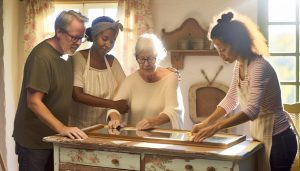
Transforming your furniture with veneer is like giving your cherished pieces a charming facelift, infusing life into tired surfaces with minimal effort. Whether you’re looking to refresh a beloved heirloom or uplift a thrift find, the magic of veneer allows you to achieve stunning results without the cost or complexity of a full renovation. This DIY project not only enhances the beauty of your home but also fosters creativity and a deeper connection to your living space. As you embrace the art of veneer application, you’ll discover how easy it is to create personalized, rustic elegance that reflects your unique style. So let’s dive into the transformative world of veneer and learn how to unlock the hidden potential of your furniture!
Choosing the Right Veneer for Your Furniture Project
can transform a mundane piece into a stunning focal point that reflects your personal style. Imagine a worn-out dining table adorned with a rich walnut finish or a simple bookshelf featuring the character of reclaimed wood; the right veneer can instill a sense of warmth and craftsmanship that envelopes your home in cozy charm. Start by considering the aesthetic you wish to achieve-whether it’s the rustic appeal of farmhouse decor or the sleek elegance of modern design, the choice of veneer can play a crucial role in your transformation journey.
When selecting your veneer, it’s essential to think about the type of wood and its grain pattern. Options like oak, maple, cherry, and walnut each offer unique visual textures that can significantly affect the final look of your project. Here are a few factors to keep in mind:
- Grain Pattern: Different woods have distinct grain patterns that can enhance the character of your furniture. A straight grain wood might evoke a clean and classic style, while a more irregular, swirling pattern can add intrigue and a rustic feel.
- Color: Consider how the color of the veneer will complement or contrast with your room. Lighter woods tend to brighten a space, while darker woods can create a richer, more intimate ambiance.
- Durability: Some veneers are more durable than others. If your furniture will experience heavy use, opt for a hardwood veneer that’s less likely to dent or scratch.
- Application Method: Ensure that the veneer you choose is suitable for the application process you intend to use, such as glue or adhesive-backed varieties.
By taking the time to explore different options and understanding the qualities of each veneer type, you can make a choice that not only enhances the beauty of your furniture but also aligns with your lifestyle and the cozy atmosphere you wish to create in your home. As you embark on this crafting adventure, may it inspire heartfelt moments and gatherings around your beautifully renovated pieces!
Essential Tools for a Successful Veneer Application
Every crafting adventure begins with the right tools, setting the stage for transformation magic in your home. When it comes to applying veneer to furniture, having a well-equipped workspace can make all the difference between a task that feels daunting and one that sparks creativity. Imagine the joy of breathing new life into an old table or chair, supported by the right essentials that make your projects more enjoyable and successful.
To embark on your veneer application journey, gather the following tools that will help you every step of the way:
- Utility Knife: A sharp utility knife is essential for accurately trimming your veneer to size. Make clean cuts to ensure a seamless application that enhances the beauty of your furniture.
- Veneer Adhesive: Depending on your preference, choose between traditional wood glue or an adhesive specifically designed for veneers. An even application will help your veneer stick firmly to the surface, providing long-lasting results.
- Roller or Brush: Use a small roller or a brush for spreading the adhesive evenly across the surface of both the veneer and the furniture. This ensures a smooth grip where it counts.
- Putty Knife: Handy for smoothing out bubbles and wrinkles, a putty knife will help you achieve a flawless finish as you apply your veneer.
- Clamps or Weights: Use clamps or weights to hold the veneer securely in place while the adhesive sets. Keeping it snug will prevent lifting or shifting during the drying process.
- Sandpaper: Fine-grit sandpaper (220 grit or higher) will help with surface preparation and smoothing edges after the veneer has been applied, ensuring a lovely finish.
- Sealer or Finish: Once your project is complete, a clear sealer or finish is key to protecting your newly veneered surface from scratches and stains while enhancing its charm.
With these tools at your side, you’re well on your way to creating pieces that reflect your cozy, rustic style. Applying veneer isn’t just about the materials; it’s a comforting process that connects you with the fabric of your home, your stories, and your dreams. As you craft, envision the warmth it will add to your living space, fostering connections and cozy gatherings with family and friends. Your furniture transformation journey is more than mere aesthetics; it’s about weaving magic into the heart of your home.
Preparing Your Furniture: Surface Prep Tips and Tricks
Before embarking on your delightful journey of applying veneer to your cherished furniture, it’s essential to ensure that the surface is primed for a seamless transformation. Taking the time to prepare your furniture not only enhances the overall appearance but also guarantees the longevity and durability of your project. Picture your piece-a cozy table or a rustic chair-radiating warmth and character, precisely because you laid a strong foundation for it.
Start by carefully removing any hardware, such as knobs or hinges, to ensure you reach every nook and cranny of the surface. It’s then crucial to clean the surface thoroughly, clearing away dust, debris, and old finishes that could hinder the adhesive from binding properly. A simple mix of mild soap and water can work wonders. Use a soft cloth to gently wipe down the area, and then allow it to dry completely. If your furniture has previously been painted or varnished, consider lightly sanding the surface with fine-grit sandpaper. This creates a texture that helps the veneer adhere better, ensuring that the beauty underneath shines through without peeling or lifting.
Once your surface is clean and prepped, check for any imperfections. Fill any deep scratches or gouges with wood filler, allowing it to dry thoroughly before sanding it smooth for an even finish. This attention to detail not only provides a beautiful base for your veneer but also reflects the care and love you’re pouring into your project. As you prepare, take a moment to envision the lovely transformation ahead-imagine how the rich textures and colors of your chosen veneer will bring your piece to life, embedding charm into your home.
Lastly, securing a harmonious environment for your veneer application is key. Make sure you work in a well-ventilated space, where the scents of adhesives can dissipate. A flat, stable workspace will also facilitate better control as you apply your veneer, keeping those exciting creative juices flowing without interruptions. With your piece fully prepped, you’re one step closer to creating a stunning addition to your cozy living space-one that will invite stories of warmth and togetherness for years to come.
Step-by-Step Guide to Applying Veneer Seamlessly
When it comes to applying veneer, embracing the art of transforming your furniture can be a truly rewarding experience. Picture your coffee table or dresser, once overlooked, now transformed into a stunning centerpiece that reflects your personality. Arm yourself with a few essential techniques, and you can seamlessly apply veneer like a true craftsman.
Begin by cutting your veneer to size. It’s wise to leave an extra inch on each side, allowing room for adjustments and ensuring full coverage. Apply adhesive generously to both the substrate and the back of the veneer. Using a brush can help you achieve an even coat, which is vital for a secure bond. Once the adhesive is in place, carefully position your veneer. A gentle touch is key; start at one edge and slowly lay it down to avoid air bubbles.
H3: Pressing and Sealing
Now comes the critical step of ensuring a strong bond. Use a veneer roller or a block of wood wrapped in a soft cloth to apply even pressure across the entire surface. This not only helps to push out any trapped air bubbles but also ensures the veneer adheres tightly to the underlying material. If you notice any bubbles, gently lift the veneer and reapply pressure. Allow the adhesive to cure as instructed, usually around 24 hours, to ensure a lasting hold.
Now, once you’ve given the adhesive ample time to set, it’s time to trim the excess veneer. A sharp utility knife will give you clean edges, but be sure to cut away from yourself for safety. Use a straightedge as a guide to keep your cuts even. After trimming, lightly sand the edges to create a smooth finish that melds seamlessly with your furniture’s surface.
H3: Finishing Touches
To complete your veneer application, consider sealing it with a finishing coat. A clear polyurethane or varnish will not only lock in the beauty of your new veneer but also protect it from scratches and spills, ensuring that your piece remains a cherished part of your home for years to come.
Remember to celebrate your unique style throughout this process. Whether you opt for a rich walnut veneer or a bright birch finish, each piece tells a story, enhancing the rustic charm of your space. Enjoy the transformation, and let the cozy aesthetics of your handmade furniture shine in every corner of your home!
Finishing Touches: Sealing and Protecting Your Veneered Surface
Applying the right finishing touches to your newly veneered surface is like adding the final stroke of paint to a masterpiece; it elevates the entire project and ensures your hard work stands the test of time. After investing time and creativity into your furniture transformation, sealing your veneer not only enhances its beauty but also provides essential protection against wear and tear. A well-chosen finish brings out the natural grain and color of the veneer, while shielding it from scratches, moisture, and fading.
When selecting a finish, you have several options to consider. Polyurethane is a popular choice, known for its durability and ease of application. Available in both oil-based and water-based formulations, it comes in various sheens-gloss, satin, or matte-allowing you to customize the look of your piece. Oil finishes, such as Danish oil or tung oil, penetrate the wood and enhance its natural luster without forming a film on the surface. This type of finish adds richness while being easy to maintain and reapply over time. Be mindful, however, as oil finishes may take longer to dry and may require multiple applications.
Application Tips
Before applying your chosen finish, ensure that the surface is clean and free from dust. A light sanding with fine-grit sandpaper can create a smoother surface, enhancing the final appearance. Here’s a simple guideline to follow:
- Using a brush or clean cloth, apply the finish in thin, even coats.
- Allow each coat to dry completely, following the manufacturer’s instructions, before applying the next.
- After the final coat has dried, consider a light buffing with a soft cloth to achieve a beautiful sheen.
- For maximum protection, especially on surfaces that will see a lot of action, two to three coats are recommended.
After finishing, it’s wise to let your piece cure for several days to ensure it reaches optimal hardness. This patience will reward you with a stunning veneer that not only enhances your home but also stands resilient against the trials of everyday life. Celebrate the charm of rustic living as you step back and admire your creation, knowing it’s both beautiful and built to last, ready to tell a new story in your home.
Creative Techniques for Stunning Veneer Patterns
Creating stunning veneer patterns can transform ordinary furniture pieces into extraordinary works of art, inviting warmth and character into your home. One engaging technique is using bookmatched veneer, where two pieces of veneer are sliced from the same log, creating a mirrored effect that has a regal appearance reminiscent of a fine wood grain. This technique not only highlights the beauty of the wood but also adds depth and visual intrigue to your furniture, whether it’s a coffee table, cabinet, or side table.
Another delightful approach is to explore geometric patterns. By cutting veneer into strips or various shapes, you can create unique designs that catch the eye. Think herringbone, chevron, or even simple squares arranged in an interesting layout. Layering different woods or colors can further enhance this effect. A wonderfully rustic touch can be added by mixing reclaimed wood veneers, bringing a rich history and story to your new piece. Don’t shy away from experimenting; sometimes, the most charming looks come from unexpected combinations!
Tools and Tips for Pattern Creation
To achieve these creative techniques, gathering a few essential tools will make the process smoother. A sharp utility knife or veneer saw will help you make precise cuts. Additionally, having a veneer hammer or roller will ensure that the veneer adheres firmly to the surface, creating a seamless finish. Always apply adhesive evenly to avoid bubbles or wrinkles, taking the time to carefully align your veneer pieces for a polished look.
Consider the following tips to enhance your creations:
- Sketch your design on paper before cutting the veneer to visualize your pattern.
- Utilize a backing material for added stability, especially with intricate designs.
- Test your adhesives and finishes on scraps to avoid surprises on your final project.
Embrace the joy of crafting with veneers, letting your personality shine through in your designs. Each project is an opportunity to bring a piece of the cottage aesthetic home, with handcrafted beauty that tells a story and fosters a cozy atmosphere. Whether you’re creating for yourself or as a thoughtful gift, the satisfaction that comes from a stunning veneer pattern will be a cherished part of your crafting journey.
Troubleshooting Common Veneer Application Challenges
When applying veneer to furniture, a few common challenges can arise that may turn your crafting endeavor into a frustrating experience. However, with a bit of foresight and the right techniques, you can navigate these obstacles smoothly and create beautiful pieces for your home. One of the most prevalent issues is bubbles forming beneath the veneer. These pesky air pockets can spoil the finish and lead to unsightly results. To prevent this, always use a veneer hammer or a roller to ensure even adhesion. Additionally, applying the adhesive evenly across the surface, and working from the center outward while pressing the veneer down can help minimize bubble formation.
Another frequent concern is misalignment during placement. It can be easy to lose track of your design, especially with intricate patterns. To avoid this, take the time to sketch your layout on paper before transferring it to the actual surface. This visualization will serve as a reassuring guide. If a piece does become misaligned, don’t panic! A gentle lift and repositioning while the adhesive is still wet can save the day. Remember, patience is key; rushing through the application can lead to mistakes that are hard to correct later.
Lastly, be aware of the potential for warping or curling at the edges of the veneer, particularly when applying it to surfaces that have not been adequately prepped. Ensuring that your furniture’s surface is clean, dry, and free from any previous finishes can significantly improve adhesion. A simple sanding to scuff the surface can create a perfect base for the veneer to bond with. If you notice warping after application, dampen the area slightly and apply gentle heat with a household iron, using a cloth as a barrier. This can help coax the wood back into shape and improve the bond.
Creating beautiful, veneered furniture pieces is not just about technique-it’s about the journey. Overcoming these challenges can deepen your connection to the craft and add your own personal touch to each project. Embrace the process and remember that every flaw is an opportunity for creativity and growth. Happy veneering!
Exploring Different Types of Veneers for Diverse Styles
When venturing into the delightful world of veneering, the type of veneer you choose can tremendously influence not only the aesthetics but also the character and style of your furniture project. From the rustic charm of natural wood grains to the sleek sophistication of synthetic options, the right veneer can help transform a simple piece into a captivating focal point in your home. The beauty of veneer lies in its diversity, offering a vast array of colors, textures, and finishes that cater to a variety of design preferences.
One of the most popular choices is natural wood veneer, which maintains the organic beauty of real wood. This option showcases unique grains and patterns, making each piece truly one-of-a-kind. Here are a few types of natural veneers to consider:
- Oak: Warm and inviting, oak veneer carries a timeless appeal and is perfect for rustic and farmhouse décor.
- Walnut: Rich and dark, walnut veneer adds an air of elegance and sophistication, ideal for contemporary and traditional styles alike.
- Cherry: With its warm tones that deepen over time, cherry veneer offers a classic, inviting look perfect for cozy cottage living.
On the more modern side, reconstituted veneers present an eco-friendly alternative. Made from sustainably sourced wood that is dyed and glued together to mimic exotic species, these veneers can replicate rare and expensive woods while being budget-friendly. They are particularly suited for minimalist and industrial designs, providing a sleek and uniform appearance.
Additionally, backed veneers are worth exploring for their added durability and ease of application. These veneers often come with a thin layer of paper or fabric that helps them conform better to curves and angles, making them a go-to for intricate furniture designs or DIY projects that require precision.
Ultimately, choosing the right veneer is about understanding your design vision and personal style. Whether you lean towards the comforting textures of natural wood or the contemporary feel of engineered options, embracing different veneers allows you to explore new dimensions of creativity. Let your furniture tell a story-an invitation to friends and family, welcoming them into a space that reflects your unique aesthetic and love for handcrafted beauty.
Maintaining and Caring for Your Veneered Furniture
Ensuring your veneered furniture remains beautiful and functional for years to come involves a few simple practices that celebrate the joy of handcrafted beauty. Like a beloved heirloom in your cozy cottage, each piece demands care that complements its aesthetic without overwhelming it. Regular maintenance is your secret weapon in preserving the rich textures and striking patterns of the veneer while keeping your space warm and welcoming.
To maintain the natural charm of your veneered surfaces, start by dusting regularly with a soft, lint-free cloth to prevent the buildup of dirt and grime. For deeper cleaning, slightly dampen the cloth with water or a gentle, pH-balanced cleaner specifically designed for wood surfaces-never use harsh chemicals that can strip away the finish. This simple act not only removes surface issues but also showcases the unique grain patterns that make each piece of furniture special.
Protecting Your Investment
It’s wise to keep your veneered furniture out of direct sunlight to prevent fading and discoloration over time. Consider positioning larger pieces away from bright windows or using sheer curtains to filter harsh rays. Likewise, be mindful of moisture levels in your home; overly humid environments can cause veneers to swell, while overly dry conditions might lead to cracking. Using a humidifier or dehumidifier can help maintain a balanced atmosphere, ensuring your furniture stays as lovely as the day you crafted it.
For occasional scuffs and scratches, consider a touch-up pen or marker that matches the color of your veneer. This easy fix can quickly restore minor imperfections, allowing your furniture to shine with the same handcrafted elegance as new. Additionally, applying a suitable veneer-safe wax or polish every few months will provide an extra layer of protection, enhancing the sheen and prolonging the life of your beautiful creations.
Caring for your veneered furniture is about more than just maintenance; it’s a celebration of craftsmanship and community, inviting you to enjoy and share your unique living space with family and friends. Embrace the joy of these simple tasks, transforming each moment into an opportunity to connect with your home and the stories it tells.
DIY Veneer Projects: Fun Ideas to Enhance Your Space
Imagine stepping into a cozy cottage, where every piece of furniture carries a story and complements the warm, inviting atmosphere. DIY veneer projects allow you to transform ordinary items into stunning focal points. With a little creativity and effort, you can enhance your space with unique touches that reflect your personality and celebrate the beauty of handcrafted decor.
One delightful project involves sprucing up an old dresser with a fresh veneer. Begin by selecting a veneer that complements the wood tones in your home-think rich walnut or light maple for a rustic touch. Carefully remove the drawers, sand the surfaces to ensure good adhesion, and then apply your chosen veneer using a strong adhesive. Once applied, trim the edges with precision for a clean finish. Consider replacing the hardware with vintage knobs to add a unique flair that enhances the overall look. This simple transformation not only refreshes your furniture but also creates a standout piece that draws admiration.
Another charming idea is to create a personalized coffee table using various veneer species to form a patchwork design. Cut your veneer into geometric shapes and arrange them in a pattern that excites your creative spirit. Adhere them to a sturdy tabletop, then seal with a glossy finish to ensure durability. This interactive project is not just about aesthetics; it’s also a lovely way to bond with your family or friends, allowing everyone to contribute their ideas. With each piece adding to the story, your coffee table will become a cherished centerpiece in your gathering space.
If you’re feeling adventurous, try incorporating veneer into wall art. Take small veneer scraps and arrange them into a mosaic-style piece, framing it to create an eye-catching wall decoration. This project not only makes use of leftover materials but also adds texture and warmth to your walls, enriching your cottage’s charm.
Embrace the joy of these DIY veneer projects as a means to connect with your home and craft a space that feels authentically yours. Each completed project invites creativity to flourish, celebrating the little moments of joy found in comforting surroundings. So roll up your sleeves, gather your tools, and start your journey towards cozy, rustic living today!
Eco-Friendly Veneer Options for Sustainable Living
Choosing eco-friendly options for your veneer projects not only imbues your furniture with warmth and character but also contributes positively to the environment. By selecting sustainable materials, you reduce your carbon footprint and engage in a practice that celebrates nature’s beauty while protecting it for future generations. As you embark on your crafting journey, consider the various environmentally-conscious veneering options available.
Types of Eco-Friendly Veneers
When selecting veneers, several sustainable choices stand out:
- Bamboo Veneer: Fast-growing and highly renewable, bamboo is an excellent eco-friendly veneer choice. It offers a unique, modern look with rich textures while being incredibly strong and durable.
- Reclaimed Wood Veneer: Using veneers made from reclaimed wood not only recycles old materials but also imbues your furniture with a story. Each piece can feature distinct characteristics that add rustic charm to any project.
- Cork Veneer: Another sustainable alternative, cork veneer, is harvested from the bark of cork oak trees without harming the tree itself. This breathable and versatile option comes in various colors and patterns.
- Sustainable Forest Sourcing: Look for veneers sourced from certified sustainable forests, such as those endorsed by the Forest Stewardship Council (FSC). This ensures that the wood is harvested responsibly, balancing ecological and social considerations.
Utilizing these eco-friendly options can turn your furniture transformations into a celebration of sustainability, inviting nature further into your cozy cottage living space. As you apply these materials, embrace the artistry behind handmade beauty and rejoice in the idea that your creations positively impact the planet.
Applying Eco-Conscious Techniques
To enhance your sustainable practices, consider employing techniques that minimize waste. For example, plan your cuts carefully to make the most out of every sheet of veneer, ensuring that you leave nothing behind. Additionally, using adhesives that are low in volatile organic compounds (VOCs) can create a healthier living environment, enhancing both the quality of your home and the air you breathe.
Take pride in crafting furniture that not only reflects your aesthetic vision but also contributes to a bigger purpose. By embedding eco-friendly choices into your DIY projects, you’re fostering a culture of sustainability within your home-a true reflection of cozy, cottage life that honors tradition while looking towards the future. Embrace these sustainable options, and let your creativity flourish amid the warmth of handcrafted furniture that cares for the earth as much as it does for your heart.
Inspiring Transformations: Before and After Veneer Projects
Transforming tired, outdated furniture into stunning focal points is a satisfying journey that showcases the magic of veneer. Imagine a timeworn piece of furniture, perhaps a once beloved dining table that has seen better days, finding new life through the artistry of veneering. Before the transformation, it may have been marred by scratches, stains, or a dull finish, but with a little creativity and effort, it can turn into a centerpiece that draws admiration and evokes warmth in your home.
When embarking on a veneer project, the possibilities for transformation are truly endless. Take, for instance, a simple wooden dresser that has lost its charm. By applying a rich walnut veneer, you can effectively elevate its appearance, inviting rustic sophistication into your space. With careful application and attention to detail, that classic piece can be reborn, bringing out the warmth of the wood and harmonizing beautifully with other cottage elements in your decor. Each before-and-after photo tells a story of rebirth, highlighting not only the aesthetic enhancement but also the joy of breathing new life into cherished items.
To inspire your own projects, consider some of the remarkable transformations shared by fellow DIY enthusiasts within the community. For example, an ordinary bookshelf can be reimagined by applying a patterned veneer that reflects your personal style, allowing your favorite books and decor to shine in a new light. Furthermore, the process of selecting the right veneer, envisioning the end result, and undertaking the work becomes a quaint ritual of creativity, fostering a growing connection to your home and its history.
As you embark on your veneer adventures, document your transformations! The before-and-after snapshots serve as wonderful reminders of what you’ve accomplished, while also inspiring others to roll up their sleeves and dive into their own furniture makeovers. Embrace the rustic charm and simplicity of cottage living by turning what might be discardable into pieces that tell a story, enriching your surroundings with layers of texture and personality. Each project is a step toward a cozy, personalized space that reflects your journey and creativity.
FAQ
Q: What is the best type of veneer for beginners to use on furniture?
A: For beginners, a softwood or pre-glued veneer is ideal. These are easier to work with, as they allow for quick application without the need for additional glue. Look for options like birch or pine that are simple to source and apply effectively, enhancing your project’s success.
Q: How can I ensure my veneer adheres properly during application?
A: To ensure proper adhesion of veneer, start with a clean, smooth surface and use a high-quality adhesive. Apply even pressure during the clamping process and allow sufficient drying time as specified by the adhesive manufacturer. This will help prevent bubbling or lifting.
Q: When is the best time to apply veneer to furniture?
A: The ideal time to apply veneer is when the humidity is low and temperatures are moderate, typically during spring or fall. This condition helps the adhesive cure properly and prevents warping of the veneer, ensuring a smooth, long-lasting finish.
Q: Why is surface preparation important before applying veneer?
A: Surface preparation is crucial before applying veneer as it impacts adhesion and the overall finish. A well-prepped surface, sanded and cleaned, allows for better bonding of the veneer, reduces imperfections, and ensures a smoother appearance after installation.
Q: How do I troubleshoot bubbling in my veneer after application?
A: To troubleshoot bubbling in veneer, gently press the bubble with a flat tool to release air, then apply heat using a hairdryer to help the adhesive flow. Alternatively, cut the bubble with a utility knife, inject a small amount of adhesive, and press down firmly to seal it.
Q: What type of finish works best on veneered furniture?
A: A polyurethane or water-based finish is best for veneered furniture, as it provides protection without altering the veneer’s appearance. These finishes are durable and easy to apply, ensuring your furniture remains stunning and is safeguarded against wear and tear.
Q: Can I stain veneer furniture after application?
A: Yes, you can stain veneer furniture after application. However, it’s crucial to test the stain on a scrap piece first, as veneers can react differently to various dyes. Use a gel stain for a more even finish and follow up with a protective topcoat after the stain dries for lasting beauty.
Q: How can I maintain the beauty of my veneered furniture?
A: To maintain your veneered furniture, regularly dust it with a soft cloth and avoid using harsh chemical cleaners. For deeper cleaning, use a slightly damp cloth with mild soap. Regular polishing will also enhance shine and provide an extra layer of protection against wear.
Feel free to enhance your cozy home with these veneer tips and explore more creative DIY projects to transform your living space beautifully!
Concluding Remarks
Now that you’ve discovered the enchanting process of applying veneer to furniture, it’s time to transform your spaces into stunning showcases of your personal style. This cost-effective project opens the door to endless creative possibilities for rustic home design and DIY decor projects. Don’t hesitate to dive deeper by exploring our guides on seasonal gardening and charming farmhouse recipes for additional inspiration in your cozy cottage journey.
Ready to take the next step? Join our community by signing up for our newsletter to receive expert tips and exclusive content directly in your inbox. Share your own veneer project stories or ask questions in the comments below – we love hearing from you! Remember, a cozy, handcrafted home is just a project away, and with the right resources, you’ll create beautiful transformations that reflect your style and spirit. Embrace the magic of cottage living today!