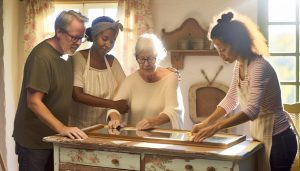
Transforming your furniture with chalk paint can breathe new life into your home, but preparation is key to achieving that perfect finish. Did you know that properly cleaning your furniture not only enhances the adhesion of the paint but also ensures a stunning, long-lasting result? Whether you’re tackling a cherished antique or a thrift store find, taking the time to prep your pieces is essential. This guide will walk you through the steps to effectively clean and prepare your furniture, addressing common concerns about grime and oils that can affect your paint job. Embrace the joy of creating a cozy, rustic space as we explore these simple yet impactful cleaning methods together. So grab your cleaning supplies, and let’s get started on this charming transformation journey!
Prepping Your Furniture for Chalk Paint Bliss
When transforming a piece of furniture into a beautiful chalk-painted masterpiece, the secret often lies in the preparation. A well-prepped surface not only ensures better paint adhesion but also elevates the final appearance of your craft. Before diving into the application of chalk paint, take the time to treat your furniture with care, as this fosters a bond between the wood and the vibrant hues you plan to introduce. Embracing this preparatory phase can turn a simple DIY project into a delightful journey that harmonizes with the rustic charm of cottage living.
To achieve that flawless finish, start by gathering your cleaning supplies. Basic yet effective items like warm water, gentle soap, a soft cloth, and perhaps a fine-bristled brush will become your trusted companions. Begin your furniture prep by thoroughly dusting off any dirt and debris, as these tiny particles can disrupt the smooth application of paint. For those stubborn grime spots, a mixture of vinegar and water can work wonders, cutting through grease while being gentle on the wood. Remember, your goal is to create a clean canvas that invites color, enhancing the lovely character of your piece.
Next, assess the condition of your furniture. Different materials require different treatment approaches; for instance, a wooden table may need a different touch than a painted or varnished piece. Prioritize sanding areas with old paint or rough patches to restore a smooth surface; this is crucial for achieving that sleek, polished chalk paint effect. If your furniture bears the scars of stains, embrace this challenge! Specialized cleaners or simply a bit more elbow grease can help, ensuring each blemish is addressed before the color coat. The joy of prepping lies in the transformation, as a little effort at this stage can yield outstanding results, creating a piece that not only looks good but feels like a treasured element of your cozy home.
Essential Cleaning Supplies for Furniture Prep
Creating a captivating ambiance in your home begins with how you treat the furniture that fills it. Before you embark on your chalk paint journey, assembling the right cleaning supplies is essential. The goal is to prepare each piece beautifully, allowing the rich hues and matte finish of chalk paint to shine through while celebrating the rustic charm of your cottage-inspired living space.
Begin with the basics-items that are both gentle and effective. You’ll need warm water and mild dish soap for a simple yet powerful cleaning solution. As you gather your supplies, consider adding a few other trusty tools to your arsenal:
- Soft cloths: Opt for lint-free microfibers that won’t leave behind any pesky fibers on your furniture.
- Gentle scrub brushes: For those tricky corners and detailed carvings, a soft-bristled brush can help lift dirt without damaging the finish.
- White vinegar: This natural cleaner is perfect for cutting through stubborn grime and greasy spots, all while being kind to the wood beneath.
- Rubbing alcohol: An excellent choice for surfaces that seem extra sticky or for removing any sticky residues left behind by previous finishes.
- Gloves: To keep your hands safe from harsh cleaners and to maintain a clean working space, a good pair of gloves is invaluable.
Next, as you clean, remember that the act of prepping your furniture isn’t just a chore; it’s a way to connect with the heart of your home. Picture transforming a mundane piece into a cherished companion in your cozy haven. Each cleaning step not only refreshes the wood but allows you to appreciate its character and history, paving the way for your creative expression through chalk paint.
As you prepare your furniture, trust that using these simple yet effective supplies will yield a foundation that not only looks incredible but also fosters a deeper connection with the pieces that define your space. Embrace the ritual of preparation-it’s as much about the process as it is about the final look.
Step-by-Step Guide to Thoroughly Clean Furniture
While embarking on your chalk painting adventure, a thorough cleaning of your furniture is pivotal in ensuring a smooth and successful transformation. Dust, grime, and old residues might seem insignificant, but they can significantly hinder the adherence and overall appearance of your lovely chalk paint. Imagine the satisfaction of revealing a perfectly prepped piece, ready to absorb rich colors and vibrant finishes, breathing new life into your cozy cottage aesthetic.
To begin, gather your cleaning supplies and set up a warm, inviting space where you can enjoy the process without distractions. Start by gently dusting the furniture with a soft, lint-free cloth to remove any surface dust. Be thorough in those nooks and crannies, as this initial step is vital for a pristine foundation. Next, create your cleaning solution using warm water mixed with a touch of mild dish soap. Dampen a clean cloth with this solution, wringing it out until it’s just moist, and begin wiping down the surfaces. Move in the direction of the wood grain to ensure that you’re lifting dirt rather than pushing it around.
As you tackle stubborn stains or sticky residues, don’t hesitate to call in your trusty friends-white vinegar and rubbing alcohol. These natural cleaners are fantastic for cutting through grease and grime without harsh chemicals. For tougher areas, such as intricate carvings, you might find a gentle scrub brush helpful. Use it sparingly to avoid damaging the finish, but let it work its magic on those hard-to-reach spots, revealing the wood’s natural beauty.
Once your furniture is beautifully clean, allow it to dry completely, perhaps while enjoying a cozy cup of tea. This drying time is essential; any remaining moisture could interfere with the chalk paint’s adherence, so be patient. With a clean slate set before you, it’s time to unleash your creativity and get ready to turn your furniture into a masterpiece that encapsulates the warmth and charm of your cottage home!
How to Handle Different Furniture Materials
When embarking on your chalk painting journey, understanding how to handle different types of furniture materials can make all the difference in achieving a breathtaking finish. Each material-be it wood, metal, or fabric-comes with its own set of quirks that require tailored preparation techniques. From the smooth grains of oak to the cool surfaces of metal, adapting your approach allows you to embrace the unique beauty of each piece while ensuring the best outcome for your chalk paint application.
For wooden furniture, start by identifying whether the wood is raw or previously finished. For raw wood, a thorough cleaning followed by light sanding can help the paint adhere beautifully. If the wood is finished, focus on cleaning off any residue and then use a deglosser or fine-grit sandpaper to create a “tooth” for the chalk paint to grip onto. Remember, rustic charm often lies in imperfections-if you strive for a distressed look, you might want to skip sanding entirely.
Metal furniture presents a different challenge but is equally rewarding. Begin by removing any rust or flaking paint with a wire brush or sandpaper. A good wash with soap and water can remove grease and grime, making the surface ready for painting. Ensure the metal is completely dry before applying a primer, especially if you desire a long-lasting finish. A light scuff with fine-grit sandpaper can also enhance adhesion, ensuring that the chalk paint doesn’t chip away under wear.
For upholstered or fabric pieces, the most important step is to clean the fabric thoroughly. Vacuuming is an excellent start, but for stains, consider using a mild fabric cleaner. After cleaning, check if the fabric has any loose threads or grime hidden in the seams. If you’re looking to incorporate chalk paint on wooden legs or frames of upholstered furniture, treat the wooden parts with the same care as you would for solid wood furniture, ensuring they are clean and smooth.
As you handle each furniture material, let your creativity flourish with each brushstroke. The key is to respect the characteristics of each material while taking those simple, gratifying steps toward rejuvenation. Each table or chair carries a story, and with every layer of chalk paint, you can add your own chapter to its history, resulting in a cozy, rustic abode that reflects your heart and home.
Tips for Dealing with Stains and Grime
When it comes to prepping furniture for a charming chalk paint makeover, battling stains and grime is a crucial step that can’t be overlooked. Whether it’s years of accumulated dust or sticky residues from long-forgotten spills, addressing these imperfections not only improves the appearance of your piece but also ensures that the chalk paint adheres properly, creating a finish that lasts.
To tackle stains effectively, first identify the type of stain you’re dealing with. For general dirt and grime, a simple mixture of warm water and gentle soap can do wonders. Use a soft cloth or sponge to wipe down surfaces, taking care to rinse frequently to avoid spreading dirt around. For tougher stains, such as grease or ink, consider using a bit of white vinegar or rubbing alcohol on a clean cloth. Always test these solutions on a hidden area first to ensure they won’t affect the finish!
Dealing with Specific Stains
- Grease Stains: Apply a little dish soap mixed with warm water directly onto the stain. Let it sit for about 10 minutes and then scrub lightly with a non-abrasive scrubbing pad.
- Ink and Dyes: Dab the area gently with rubbing alcohol on a cotton ball. Pat, don’t wipe, to savor that faux cottage charm without spreading the ink further.
- Water Marks: For surface water stains on wood, use a mix of equal parts vinegar and olive oil. Rub the solution into the affected area using a cloth and watch those pesky marks disappear as if by magic.
It’s also important to remember that a little preventive care can go a long way. Regularly dusting your furniture and dealing with spills promptly can reduce the chances of stains taking hold.
As you embrace the rustic joys of DIY projects, let your surroundings inspire you. Turn stain removal into a fun activity, perhaps while enjoying a warm cup of tea, and don’t forget to play your favorite cottage tunes in the background. Each step you take in bringing your furniture back to life is a reflection of your creativity and love for handcrafted beauty, creating a one-of-a-kind abode filled with your personal touch.
Removing Old Paint and Finish: Best Practices
To transform an old piece of furniture into a beautiful focal point of your cozy cottage, removing previous paint and finishes is an essential step that sets the stage for an impeccable chalk paint application. Before you embark on your DIY journey, gather some delightful supplies: a decent paint stripper, sandpaper in various grits, a putty knife, and safety gear such as gloves and goggles. The charm of upcycling furniture isn’t merely aesthetic; it’s a hands-on way to weave personal history into your home while honoring the environment.
Start by applying a high-quality paint stripper to your furniture. This magical concoction softens old layers, making them a breeze to remove. Make sure to follow the manufacturer’s instructions carefully, as each product has its unique waiting period based on the type of finish and wood. Once the stripper has done its work, gently scrape away the old paint with a putty knife. Be cautious while doing this; you want to conserve the underlying wood and avoid gouging it. If the furniture has intricate details, use a brush or an old toothbrush to help remove stubborn bits of paint lodged in corners or crevices.
Sanding: A Touch of TLC
Once you’ve removed the bulk of the old finish, it’s time for sanding. Start with a coarser grit sandpaper to smooth out any remaining finish or imperfections, followed by a finer grit for a sleek surface that will allow your chalk paint to adhere flawlessly. This step is crucial-not only does it ensure an even finish, but it also helps the paint latch onto the surface, preventing peeling or chipping down the line. Picture your furniture as a blank canvas, whispering tales of rustic charm just waiting for a fresh coat.
Clearing the Dust
After sanding, don’t forget the importance of cleaning the dust off your piece. A simple wipe down with a damp cloth will do wonders to ensure that no particles are left to interfere with your painting. Take a moment to appreciate the raw beauty of the wood before it gets dressed in a lovely new hue. Embrace the feelings of accomplishment-from the tactile joy of removing old layers to the anticipation of the transformation that awaits. By engaging with your furniture on this intimate level, you’re not only elevating your space but nurturing your inner creator.
Removing old paint and finishes diligently not only readies your furniture for a fresh coat but also enhances the handcrafted beauty that resonates throughout cottage living. Relish this process; it’s not just preparation, but an integral part of your journey toward creating a warm, inviting atmosphere that reflects your love for simplicity and creativity.
Restoring Surface Smoothness: Importance of Sanding
The magical transformation of your furniture begins with a crucial yet often overlooked step-sanding. This process is not merely about smoothening surfaces; it’s akin to preparing a well-loved canvas for a fresh masterpiece. When you engage in this tactile endeavor, you are honoring the history of the piece while setting the stage for new memories to be crafted. Sanding expands the possibilities of what your furniture can become, allowing the chalk paint to grip and adhere flawlessly.
Start with a coarser grit sandpaper to tackle the uneven or rough areas that may have accumulated over the years. As you glide the sandpaper across the surface, you’re not just refining the texture; you’re creating a welcoming foundation that invites the paint to settle into every nook and cranny. Follow this initial pass with a finer grit that will bring a silky smooth finish. This two-step approach is essential, as it not only makes the surface visually pleasing but also mitigates the risks of peeling or chipping once your furniture is adorned with its new hue.
Tools of the Trade
To enhance your sanding experience, consider the following essentials:
- Sandpaper: Invest in a variety of grits (coarse, medium, and fine) to achieve the desired smoothness.
- Sanding block or pad: These tools help distribute your pressure evenly, resulting in a uniform finish.
- Vacuum and tack cloth: Clear away dust and debris every few passes to prevent imperfections in your finish.
It’s essential to remember that the goal of sanding is not just to make the surface pretty; it’s about nurturing the relationship between the wood and the paint. An even, smooth texture allows the chalk paint to bond effectively, creating a stunningly rustic finish that speaks to the cottage living aesthetic.
As you take the time to sand, visualize the end product-the charming piece that will soon become a conversation starter in your living space. This careful preparation echoes the simpler, beautiful lifestyle we nurture in cottage culture, where each piece of furniture tells a story. So, embrace the process; enjoy the rhythm of sanding, and let every stroke remind you that you’re not just refinishing a piece of furniture, but crafting art for your home that embodies warmth and creativity.
Choosing the Right Environment for Painting
Finding the perfect backdrop for your painting project can be just as impactful as the brushstrokes you apply. Creating a dedicated space that reflects serenity and inspiration can elevate your chalk painting experience from a chore to a joyful venture. Ideally, look for an area that boasts ample natural light, as this not only enhances visibility but also encourages a sense of peace and connection to the outside world-a crucial element in cottage living culture.
Be mindful of choosing a spot with good ventilation. This helps dissipate fumes from paints and finishes, contributing to a healthier crafting environment. Whether it’s a sunlit corner of your living room or a cozy nook in your garage, ensuring air circulation will keep the space pleasant and energizing. If working indoors, consider sidling your furniture near a window, allowing the picturesque views outside to inspire creativity while you work.
As you prepare your painting environment, take note of your flooring-protect it with drop cloths or newspapers to catch drips and spills that may occur during your artistic endeavor. Setting up in a clean space where clutter is minimal allows your mind to focus fully on the transformation at hand. Incorporating elements like a small fountain or plants can further create an inviting atmosphere, reminding you of the beauty and simplicity inherent in rustic home design.
Finally, consider your emotional connection to the space. Surrounding yourself with items that inspire you-like cherished handmade quilts or rustic decor-can spark creativity and turn your furniture prep into a delightful ritual, reflecting the warmth and character of cottage culture. Embrace this nurturing environment, and you’ll not only enjoy the process of painting but also the beautiful results that will soon grace your home.
Letting Your Furniture Dry: Key Considerations
When diving into the delightful realm of chalk painting, it’s easy to get swept up in the excitement of choosing colors and envisioning your transformed furniture. However, one crucial step that can’t be overlooked is allowing your pieces ample time to dry after cleaning and prepping. This stage is essential for achieving a flawless finish, as chalk paint adheres best to surfaces that are completely dry, ensuring that your hard work doesn’t go to waste.
Let your freshly cleaned furniture rest in a well-ventilated area where air can circulate freely. This will not only facilitate quicker drying but will also help prevent any lingering dust or particles from settling on your surface. Depending on the humidity levels in your environment, drying times can vary significantly. Aim for at least a couple of hours before applying any paint, but it’s often wise to wait longer, especially on humid days. A gentle breeze from a nearby window or a fan can be incredible allies in speeding up this process.
It’s also worth paying attention to temperature; a warmer space encourages faster drying while too much chill can extend waiting times uncomfortably. If possible, try to keep the area at a consistent, moderate temperature. Finally, before you reach for that chalk paint, a quick touch test can save you time and frustration. Gently brush your fingers against the surface; if you feel any dampness, it’s best to hold off until everything feels completely dry. Trusting your senses here can make all the difference, ensuring the smooth application of paint that captures the cozy charm of cottage living.
By allowing your furniture to dry adequately, you’re setting the stage for a beautiful transformation that reflects the warmth and character of handcrafted beauty. This moment of patience not only supports your project’s success but also aligns perfectly with the simple joys of creating a cozy, inviting home. Letting go of the urge to rush through can transform this step into a delightful pause to appreciate the artistry that awaits you. So, take a breath, give your pieces the care they deserve, and rejoice in the creativity that unfolds ahead.
Understanding the Benefits of Proper Prep
Embracing the art of furniture prep before diving into chalk painting is akin to setting the perfect stage for a performance-one that showcases the beauty and personality of each piece. By investing time in proper preparation, you elevate the potential of your furniture transformations. Not only does thoughtful prep help achieve a stunning finish, but it also extends the lifespan of your lovingly restored items, allowing them to shine for years to come.
Prepping involves much more than a quick wipe-down. It’s about establishing a solid foundation for your paint to adhere to, which is crucial for preventing common issues like peeling, cracking, or unsightly streaks. Proper cleaning removes dirt, grease, and any previous finishes that would hinder the paint’s bond. For example, using a gentle degreaser or vinegar solution can effectively remove the residue from everyday use, while a light sanding can help smooth out rough patches and create a textured surface that grabs the paint better.
Moreover, the benefits extend beyond function. This preparatory process can be a moment of creativity in itself, as you discover new textures and imperfections on your furniture that tell stories of their own. Restoring old pieces lovingly reflects the ethos of cottage living-celebrating history, character, and the rustic charm that newer mass-produced items often lack. When you take the time to enjoy each step, from stripping away layers of old paint to treating surfaces with care, you’re not just transforming furniture; you’re cultivating a connection to your home and its artifacts.
Ultimately, the journey into the world of chalk painting unfurls a tapestry of joy and satisfaction, and it all begins with understanding the importance of proper prep. So take a moment to inhale the fragrant scent of your cleaning supplies, admire the unique grains of your furniture, and relish in the anticipation of your upcoming project. This is the heartbeat of crafting a home filled with warmth, creativity, and enduring beauty.
Common Mistakes to Avoid Before Painting
Every seasoned DIY-er knows that the secret to a flawless chalk paint finish lies not only in the quality of the paint but in the preparation that precedes it. Unfortunately, common missteps can derail the best of intentions, leading to disappointing results. One of the most frequent oversights is neglecting thorough cleaning. It’s tempting to skip this step, especially if your furniture appears relatively clean. However, dust, dirt, and oils from hands can create a barrier, causing the paint to chip or peel prematurely. Before you dive in with your brush, take the time to clean every nook and cranny to ensure a perfect bond.
Another pitfall occurs when people skip sanding altogether, assuming their surface is ready. While chalk paint adheres well to many surfaces, taking a few moments to lightly sand creates a smoother texture and helps the paint grip even better. This step is particularly crucial for glossy surfaces, where a little abrasion can make a significant difference in the paint’s longevity. Additionally, failing to conduct a spot test can lead to unexpected surprises. Always test your paint on a small, inconspicuous area of the furniture to see how it reacts with the existing finish and surface material.
Moreover, hurrying the drying process is a cardinal mistake. Rushing to apply a second coat before the first is completely dry can lead to smudging and uneven finishes. Allow your furniture ample time to dry in a well-ventilated area. This breathing space not only enhances adhesion but also helps you avoid the heartache of labor wasted due to careless timing.
Finally, underestimating the importance of environmental factors can lead to frustrations. Painting in overly humid or dusty conditions can undermine your efforts, as moisture and debris can settle into your finish. Aim for a cozy, calm atmosphere as you work, where you can take joy in the rhythmic movements of your brush, creating magic as you transform those beloved pieces into handcrafted treasures. Embrace the imperfections of each piece and let your creativity flow, as these steps will lead to delightful results that reflect the warmth and charm of cottage living.
Expert Tips for a Flawless Chalk Paint Finish
When it comes to transforming your furniture with chalk paint, the journey to a stunning finish begins with foundational practices that elevate your creative process. Interesting enough, a well-prepped surface not only enhances adhesion but also gives your piece a timeless, hand-finished charm. Here are some expert tips to ensure your chalk paint application is as delightful as the final look.
First, always invest in quality supplies. Your brush is your best friend when painting. Opt for a natural bristle brush or a high-quality synthetic option; these will help achieve a smoother finish and prevent brush strokes from marring your masterpiece. Having a dedicated misting bottle filled with water can also save the day-lightly misting the surface before application can improve paint flow and minimize chalkiness, creating that coveted velvety feel.
Maintain a Consistent Rhythm
Like a gentle breeze rustling through the trees, your painting technique should be relaxed and rhythmic. Work in sections, completing one area before moving on, and always lay down a thin coat of paint rather than piling it on. This approach will not only prevent runs and uneven textures but also allow for easier touch-ups later. Remember that with chalk paint, multiple thin coats build depth and fullness without losing that timeless matte finish.
Keep the Environment in Mind
The right environment can significantly influence your painting project. Aim for a well-ventilated, dust-free space, ideally during mild weather. Too much humidity can inhibit drying time, leaving your furniture vulnerable to mishaps. If you’re working indoors, consider placing a dehumidifier nearby for optimal conditions. On the other hand, bright sunlight might dry your paint too quickly, risking an uneven coat. A cozy corner in your cottage with ample natural light but shielded from direct rays is an ideal painting nook.
Lastly, always embrace those little imperfections; they tell a story! Accentuate them by applying a clear wax or topcoat to protect your newly painted surface while enhancing depth. If you notice drips or unevenness after the first coat dries, don’t fret-this is the beauty of chalk paint. Lightly sand along the imperfections and apply a second coat where needed. Each stroke you take brings your cherished furniture closer to the rustic charm that makes your home uniquely yours.
With these playful yet practical tips, you’re well on your way to crafting furniture that reflects both your personality and the cozy essence of cottage living. Embrace the magic of chalk paint-after all, it’s not just about the outcome, but the joy of creativity in every brushstroke you take.
Q&A
Q: What is the best way to remove dust from furniture before painting?
A: To effectively remove dust from furniture, use a microfiber cloth or a vacuum with a brush attachment. Start by wiping down all surfaces, ensuring you reach crevices. This quick step ensures a clean slate for your chalk paint application, preventing any debris from ruining your finish.
Q: How do I clean greasy furniture before applying chalk paint?
A: To clean greasy furniture, mix warm water with a few drops of dish soap. Use a soft cloth to scrub the greasy areas gently. Rinse with a damp cloth and dry thoroughly to prepare the surface for painting, ensuring better adhesion of the chalk paint.
Q: Should I use any special cleaner for painted furniture before chalk painting?
A: Yes, it’s wise to use a degreaser or a specialized furniture cleaner to remove any old residues. After cleaning, rinse the surface with water and let it dry completely before applying chalk paint for optimal results.
Q: How can I tell if my furniture is clean enough for chalk paint?
A: Furniture is clean enough for chalk paint when it feels smooth and free from any dust, grease, or grime. Running your hand over the surface should feel clean without any residues. A visual inspection will help you identify any missed spots.
Q: Can I use vinegar and water to clean furniture before painting?
A: Yes, a mixture of vinegar and water is an effective and natural cleaner for prepping furniture. It cuts through grime and deodorizes. Just ensure the furniture dries completely before applying chalk paint to avoid any moisture issues.
Q: How do I deal with mold or mildew on outdoor furniture before painting?
A: For mold or mildew, use a solution of one part bleach to three parts water. Scrub the affected areas with a brush, rinse thoroughly, and ensure it dries completely before painting. This will help prevent further growth under your new paint.
Q: What are common mistakes to avoid when cleaning furniture before painting?
A: Common mistakes include skipping the cleaning step entirely, using abrasive cleaners that can scratch surfaces, and not allowing the furniture to dry properly. Always ensure a clean and dry surface for the best chalk paint results and finish longevity.
Q: Is it necessary to sand furniture before chalk painting?
A: While not always necessary, sanding furniture helps create a smoother surface and enhances paint adhesion. If the furniture has a glossy finish or imperfections, lightly sanding it will ensure a flawless chalk paint application.
The Conclusion
Now that you’re equipped with the essential cleaning tips for your furniture, it’s time to breathe new life into your cherished pieces with chalk paint! Remember, the prep work is key to achieving that flawless finish you desire. If you’re excited to dive deeper into the world of DIY decor, check out our guides on transforming rustic furniture and seasonal decorating ideas to further enhance your home’s charm. Don’t forget to explore our article on “The Best Chalk Paint Techniques” for even more creative inspiration!
We’d love to hear about your furniture makeovers or any challenges you anticipate-drop a comment below or share your progress with us! To stay updated on all things cozy cottage living, subscribe to our newsletter for exclusive tips and recipes delivered straight to your inbox. Embrace the joy of creating a warm, inviting space, and remember: every small project brings you closer to the home of your dreams!