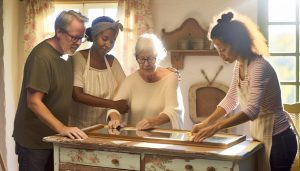
Applying transfers to furniture can transform a simple piece into a stunning focal point, but pesky air bubbles can dampen your creative spirit. Did you know that even the most seasoned DIYers encounter this common hiccup? Fear not! In this guide, we will explore practical and effective solutions to fix air bubbles, helping you achieve a smooth, beautiful finish that enhances the rustic charm of your home. With just a few tips and techniques, you can ensure your furniture reflects the warmth and creativity you cherish in your cottage living space. So grab your tools and let’s dive into the art of creating flawless surfaces, turning your furniture into delightful expressions of handcrafted beauty.
Identifying the Common Causes of Air Bubbles
When applying transfers to furniture, it’s essential to understand what can cause those pesky air bubbles that disrupt your beautifully crafted designs. Common culprits include a lack of proper surface preparation and the use of incompatible materials. If the surface isn’t clean, smooth, and free of dust or grease, air pockets can easily form, leading to an uneven application. This is particularly true with rustic finishes, where surface textures can vary significantly.
Another frequent cause is the application technique itself. Rushing the process or applying transfer material in too thick a layer can trap air beneath the surface. Moreover, environmental factors such as humidity and temperature play a role; too much moisture can alter the adhesive properties, making it easier for air bubbles to form. Here are some key points to consider:
- Surface Condition: Ensure surfaces are sanded, cleaned, and primed appropriately.
- Application Speed: Take your time to avoid trapping air; work in sections.
- Material Compatibility: Choose transfer materials that are designed to adhere well to the specific surface you are working with.
- Environmental Conditions: Check that the climate isn’t too humid or cold, as this can affect adhesion.
By paying attention to these details, you will not only create a stronger bond between the transfer and the furniture but also enhance the overall finish, allowing the charm of your rustic décor to shine without the distraction of unsightly bubbles. Embrace patience and care in your application process, and enjoy the satisfaction that comes from crafting a perfect, bubble-free piece for your cozy cottage.
Essential Tools for Smooth Transfer Application
To achieve a smooth and flawless transfer application, the right tools can make all the difference. Think of this process like crafting a perfect recipe; quality ingredients and the right utensils elevate your dish to a culinary masterpiece. In the world of DIY furniture transfers, your toolkit is just as essential. With these items at your disposal, you can tackle air bubbles and ensure your designs look stunning on that rustic piece you cherish.
First and foremost, a good quality squeegee or application tool stands at the forefront of your arsenal. This handy tool allows you to glide over the transfer material, helping to push out excess air and ensure a firm bond with the surface beneath. Look for one with a smooth edge; it works beautifully for varying degrees of pressure based on the surface texture. Consider a soft felt squeegee for delicate finishes to avoid scratching.
Next, a reliable pair of scissors is indispensable for trimming your transfer to fit snugly into tight spaces or intricate designs. The better the fit, the less chance there is for air to become trapped during application. Additionally, a fine-tipped craft knife can be perfect for cutting around intricate details, allowing for precision that makes your projects shine.
To maintain a clean and smooth surface before application, a high-quality cleaning solution and lint-free cloth are must-haves. Dust and grease are your air bubble enemies, and ensuring your surface is pristine before starting will save you a lot of headache down the line.
Lastly, don’t forget to gauge the environment where you’re working. A hygrometer can help you monitor humidity and temperature, guiding you on the best times to apply your transfers. A perfectly cozy atmosphere can not only influence adhesion but also help you create with ease.
- Squeegee/Application Tool: Essential for removing air and ensuring a strong bond.
- Scissors and Craft Knife: Perfect for trimming and detailed cuts.
- Cleaning Solution and Cloth: Ensures a smooth, dust-free surface.
- Hygrometer: Helps monitor environmental conditions for optimal application.
With these tools in hand, you’re well on your way to crafting beautiful, bubble-free transfer designs that elevate your rustic furniture projects. Embrace the joy of creating-you’ll not only beautify your home but also forge a deeper connection with your cherished belongings, celebrating the artistry of cottage living.
Step-by-Step Guide to Avoid Air Bubbles
In the heart of every DIY project lies a sense of fulfillment and the joy of creation, particularly when it comes to applying transfers to furniture. However, one vexing issue that can dampen your creative spirit is the emergence of air bubbles beneath your transfer-those pesky intruders that can mar your masterpiece. To ensure your application goes smoothly and you glean the utmost satisfaction from your hard work, here’s a step-by-step guide to help you avoid air bubbles from the outset.
Start by choosing the right environment for your project. The ideal spot is dry, warm, and free from dust-this enhances adhesion and minimizes the likelihood of bubbles. Before you begin, take a few moments to thoroughly clean the surface of your furniture with a gentle cleanser and a lint-free cloth. A clean canvas is paramount; grease and dirt can trap air and lead to frustrating imperfections later on.
Once your surface is prepped, it’s time to position your transfer. Carefully align it where you want it to go, ensuring it’s precise. Use a light touch; avoid pressing down immediately to allow for slight adjustments. When you’re ready to apply, use a high-quality squeegee or application tool. Begin from the center of the transfer and gently work your way outwards. This technique emits trapped air effectively and pushes it towards the edges rather than letting it accumulate under the transfer. Take your time-patience is your ally in this cozy endeavor.
After the initial application, inspect for any lingering air bubbles. If you spot any, do not panic! Use the corner of your craft knife to gently lift the edge of the transfer and push the bubble out with your squeegee. This straightforward remedy can save your project from looking anything less than perfect. Remember, practice makes perfect; finding the right balance in technique can turn a good project into a stunning finished piece.
By following these steps, you’ll not only avoid the infamous air bubbles but also immerse yourself in the delightful process of transforming your furniture into a reflection of your unique style. Celebrate each successful application as an act of love for your home and a tribute to the enchanting world of cottage living, where creativity knows no bounds. Embrace the simple joys that surround you, and create with confidence!
Techniques for Removing Existing Air Bubbles
When confronted with the frustrating reality of air bubbles beneath your beautifully applied transfers, don’t despair! These little nuisances are quite common in the world of DIY furniture projects, but with a little patience and the right techniques, you can restore the flawless finish you desire. Understanding how to address air bubbles effectively not only helps you salvage your work but also adds a sense of accomplishment to your creative journey.
To begin tackling air bubbles, gather some simple tools. You’ll need a craft knife, a soft cloth, and your trusty application tool, such as a squeegee. It’s essential to approach the bubble with a gentle touch. Start by identifying the location of the bubble; if it’s significant, you can use the edge of your craft knife to carefully lift the edge of the top layer of the transfer. This will allow you to release the trapped air without damaging your design. Once you have access, gently push the air out toward the edges using your squeegee, still being mindful not to tear the transfer.
In cases where the bubble is particularly stubborn, you might employ a little added warmth. Using a heat gun or a hairdryer set on low, warm the area just enough to soften the adhesive. Once it’s warm, repeat the lifting and pushing process-the heat can work wonders in making the transfer more pliable. Always remember to keep the heat at a safe distance from the transfer to prevent any distortion.
Finally, embracing the imperfections as part of the journey can be liberating. Each removal of a bubble not only brings you closer to a flawless finish but transforms your project into a story of its own. Whether you’re outfitting your cottage with rustic charm or creating a unique piece for your home, the small effort spent on addressing air bubbles is a testament to your creative spirit and attention to detail. So, with these techniques in your toolkit, roll up those sleeves and dive back into the delightful world of DIY, where each project comes with its own charming narrative!
Tips for Achieving a Flawless Finish
When you’re applying transfers to furniture, achieving a flawless finish can feel like an art form, akin to the delicate brushstrokes of a painter or the careful arrangement of flowers in a quaint cottage garden. The joy of seeing a completed project free of air bubbles is akin to stepping back and admiring a perfectly tended flower bed-a euphoric moment of satisfaction. To help you achieve that picturesque outcome, consider these thoughtful tips which weave together practicality and creativity, ensuring your transfers lay beautifully on your beloved furniture.
One of the most effective ways to prevent air bubbles while applying transfers is to start with proper surface preparation. Make sure the surface of your furniture is clean, smooth, and completely dry before beginning your transfer application. This process may involve lightly sanding the area to create a better grip for the transfer, followed by wiping it down with a damp cloth to remove any dust or debris. A well-prepared surface not only enhances the adhesion of your transfer but also ensures that imperfections are kept at bay.
Another essential tip is to apply your transfers in a controlled environment. Ideally, work in a space with a consistent temperature that’s neither too hot nor too humid. High humidity can lead to moisture issues, whereas dry conditions can cause the adhesive to become too tacky and difficult to manage. Moreover, employing gentle pressure with tools like a squeegee helps push out any air bubbles as you go. Always work progressively from the center of the design outwards to the edges, allowing excess air to escape without trapping it beneath the surface.
Lastly, after your transfer is applied, consider giving it a little extra attention with a clear sealant. This can not only enhance the durability of the transfer but also add a lovely shine that brings out the colors beautifully, reminiscent of dew-kissed petals in the early morning light. Over time, the care you put into the finishing touches will reveal your personal touch-each piece becomes a unique narrative of your cottage lifestyle, while your effort to secure that flawless finish speaks volumes about your passion for handcrafted beauty.
As you embark on this creative journey, embrace the process-each step you take is a stride towards your cozy sanctuary. With a little practice and patience, you can transform your furniture into stunning focal points that invite warmth and charm into your home. Let your imagination blossom, and cherish the satisfaction of creating a space that reflects your unique cottage spirit.
Understanding Transfer Material Compatibility
To create a successful transfer application that not only enhances the aesthetic of your cherished furniture but also avoids the frustration of air bubbles, understanding the compatibility of your transfer materials with the surfaces is essential. Each material has its unique characteristics that can dramatically affect the adhesion and overall outcome of your project. With the right knowledge, you can make informed choices that will save you time and potential heartache in your creative endeavors.
Wood Surfaces: When working on wood, it’s crucial to consider the type and finish of the wood. Raw, unsealed wood offers a fantastic surface as it allows the transfer to adhere more effectively. For painted or varnished surfaces, ensure that they are smooth and properly cured. Consider using transfers specifically designed for these finishes, as their adhesives are often optimized for such conditions. If you’re applying to distressed wood, be mindful of the texture; a rough surface can trap air bubbles, leading to unsatisfactory results.
Fabric Transfers: If your project involves fabric, the type of fabric plays a substantial role in the success of the transfer. Cotton and linen are generally ideal because they allow for better adherence of the transfer material. However, slick or synthetic fabrics may require specific types of transfers or adhesives to ensure proper bonding. Always test your transfer on a small swatch of fabric to prevent any mishaps before committing to the entire piece.
Painted Surfaces: When using transfers over painted furniture, always consider the paint type. Latex paint offers a better surface for adherence compared to oil-based paints. If you’re transfering onto furniture painted with a glossy finish, a light sanding can provide the ‘tooth’ necessary for the transfer to stick well. Additionally, ensure that the paint is completely dry and cured before applying your transfer to avoid air pockets.
Incorporating these considerations into your transfer projects will not only minimize the risk of air bubbles but also ensure a more refined, polished final product. By understanding how different materials interact, you can celebrate the beauty of each piece, turning your furniture into a delightful expression of your unique cottage style. Embrace this intricate dance of compatibility, and let your creativity flourish as you transform humble surfaces into stunning focal points that reflect the warmth of your home.
The Importance of Surface Preparation
To achieve a seamless transfer application that transforms your furniture into a stunning centerpiece, surface preparation is your secret weapon. Caring for the surface not only enhances aesthetic appeal but also plays a vital role in preventing those pesky air bubbles from spoiling your creative efforts. Imagine a beautifully distressed farmhouse table crowned with an elegant design, flawless and inviting-this vision can become a reality with just a bit of preparation.
Whether you’re decorating a charming wooden dresser or breathing fresh life into an old fabric chair, the first step is ensuring the surface is clean, smooth, and ready for bonding. Begin by giving the surface a thorough cleaning to remove any dust, dirt, or grease that could interfere with adhesion. A simple solution of mild soap and water works wonders. After cleaning, allow it to dry completely-silhouettes of moisture can create air pockets, leading to bubbles during the application.
Next, consider using a light sanding technique on painted or glossy surfaces. This ‘tooth’ on the surface allows the transfer to grip better, minimizing the risk of blisters forming beneath. For wood surfaces, smooth out any rough spots and ensure proper sealing if necessary. When working with fabrics, understanding the fiber content is crucial; natural materials such as cotton and linen usually provide the best adhesion. Test patches can be helpful here-apply a small section of the transfer to confirm that it adheres well before committing to the entire project.
By embracing these preparation steps, you not only set the stage for a successful application but also celebrate the beauty and uniqueness of each piece. Every transfer becomes an expression of your creativity, reflecting the cozy charm of cottage living. The process of preparation itself can be a delightful ritual, bonding you closer to your projects as each stroke and turn of sandpaper reveals the potential awaiting beneath the surface. So gather your tools, envision your ideal space, and get ready to create magic in your home!
Creative Solutions for Unique Furniture Shapes
Delving into your creative endeavors often means embracing the quirks and challenges of unique furniture shapes. Whether it’s a charmingly curved armoire or a snugly designed side table, these pieces may come with their own set of complexities when applying transfers. The good news is that with a little creativity and resourcefulness, you can achieve exquisite results free of air bubbles, making those irregular forms shine.
To tackle the challenges posed by non-flat surfaces, consider using the heat application method. This entails warming your transfer gently with a heat source-like a heat gun or hairdryer-just enough to soften the adhesive. By doing so, it becomes easier to conform to curves and contours, allowing for a smoother application. Ensure to press firmly as you work your way around the piece, watching as the design settles beautifully without unsightly bubbles forming beneath.
Another innovative solution is the use of smaller, manageable transfer pieces for intricately shaped furniture. Instead of trying to apply a large design in one go, break it down into sections. This approach not only allows you to focus on aligning each piece perfectly but also reduces the chances of air becoming trapped. Additionally, you can adorn multiple areas of the furniture with coordinating designs, turning the application into a delightful patchwork of creativity.
Few things reflect the warmth of cottage living better than a beautifully adorned piece of furniture that tells a story. With some patience and attention to detail, embracing the intricacies of your furniture shapes can lead to stunning results. Engage with the process by taking breaks when needed and step back to admire your work as it develops. Find joy in the imperfections and unique character that these items embody-just like the warm, comforting spirit of a cozy home.
As you navigate the world of furniture transfers, remember that creativity is your best ally. Celebrate your individuality and the charm of each piece, knowing that your efforts will bring life and personality into your rustic abode.
How to Maintain Your Transfers After Application
To keep your beautifully applied transfers looking their best, it’s essential to give them a bit of tender loving care. Once the transfers are securely in place, they become a cherished part of your furniture, adding character and charm. However, maintaining their appearance is crucial for ensuring they withstand the test of time, especially in a cozy cottage environment where beauty and functionality blend seamlessly.
First and foremost, consider using a gentle, non-abrasive cleaner for regular maintenance. Harsh chemicals can wear down the adhesive and colors, making your transfers susceptible to peeling or fading. A simple solution of warm water with a few drops of mild soap or vinegar is typically enough to keep the surfaces clean. Wipe gently with a soft cloth to avoid scratching the delicate surface of the transfer.
Protecting Transfers from Damage
In addition to routine cleaning, protecting your transfers from direct exposure to harsh sunlight and moisture can greatly extend their life. Place decorative furniture away from direct sunlight or use curtains and shades to block intense rays. A sealant, like a clear wax or polyurethane, can provide an additional layer of protection against moisture-just make sure the transfer is completely dry before applying any sealant to avoid trapping any moisture underneath.
When it comes to design integrity, be mindful of any objects placed on the decorated surfaces. Heavy items or those with rough edges can unintentionally cause scratches or lift the transfer. Consider using felt pads under decorative items or coasters to prevent any potential damage. Not only does this protect your work, but it also adds a professional touch to your rustic decor.
Reviving Worn Transfers
If your transfers start to lose their luster, don’t despair! A light touch-up may be all that’s needed. Using a fine brush and a matching paint, carefully restore any faded areas. This little act of care brings a breath of fresh air into your cherished pieces, making them glow anew. Just like caring for a lovely garden, your transfers thrive on attention and affection.
By understanding the best practices in maintenance, your transfers can continue to infuse warmth and creativity into your home for years to come, creating an inviting atmosphere that celebrates the simple joys of cottage living. Embrace the beauty of these handcrafted details, and let them tell the unique story of your home.
Frequently Asked Questions about Transfer Application
Have you ever found yourself disheartened by air bubbles when applying transfers to your treasured furniture? You’re not alone! This common challenge can turn a delightful DIY project into a source of frustration. To help you navigate this issue, here are some frequently asked questions that can pave your path to success and empower your creative endeavors.
What causes air bubbles during transfer application?
Air bubbles can form for a variety of reasons, including applying the transfer too quickly or on a surface that isn’t adequately prepped. Improper adhesion, such as applying the transfer to a surface that is too cold or too hot, can also contribute to bubble formation. To mitigate this, ensure the surface is clean, dry, and slightly warm before proceeding with the application.
How can I prevent air bubbles altogether?
Prevention is key! When applying your transfer, use a soft tool like a credit card or a squeegee to smooth out the surface as you go. Start from the center of the transfer and work your way outward, which effectively pushes air towards the edges to minimize bubbles. Additionally, consider applying the transfer slowly and methodically to give yourself better control.
What should I do if I discover air bubbles after the transfer is applied?
If you notice air bubbles post-application, don’t panic! Gently lifting the edge of the transfer can provide an escape route for the trapped air. Use a needle or a pin to puncture the bubble lightly, then press the area down outward to release the air. Following this, use your smoothing tool to reapply pressure and ensure a smooth, even surface.
Can I fix air bubbles in a freshly applied transfer without removing it?
Absolutely! Most bubbles can be fixed without the need for complete removal. As mentioned, carefully lifting the transfer and releasing the trapped air should be sufficient. After you’ve treated the bubbles, it may be beneficial to seal the surface once it’s fully smoothed out-this enhances durability and adds a lovely finish to your newly adorned furniture.
By addressing these frequently asked questions, you arm yourself with knowledge that not only demystifies the transfer process but also lets you celebrate the simplicity and beauty of cottage living. Each piece you create is a testament to your creativity, reflecting the rustic charm of your home. Embrace the imperfections, and let your furniture tell a story filled with character and warmth!
Frequently asked questions
Q: What causes air bubbles when applying transfers to furniture?
A: Air bubbles during transfer application can result from improper surface preparation, insufficient adhesion, or applying transfers in humid conditions. Ensuring your surface is clean and dry prior to application can greatly reduce bubble formation.
Q: How can I remove air bubbles from my furniture transfer without damaging it?
A: To remove air bubbles, gently push them toward the edges using a soft tool or your fingers. If necessary, you can use a pin to puncture the bubble and then smooth it out carefully. Ensure to follow up with a clear sealant to protect your transfer.
Q: When is the best time to apply transfers to furniture to avoid air bubbles?
A: The best time to apply transfers is on a dry day with low humidity. Ideal temperatures are between 60-75°F (15-24°C). Avoid applying in direct sunlight, as this can cause the adhesive to dry too quickly, trapping air bubbles.
Q: Why is surface preparation important for furniture transfers?
A: Proper surface preparation ensures maximum adhesion of the transfer to the furniture. Cleaning the surface removes dirt and grease that can prevent the transfer from sticking properly, thus reducing the chances of air bubble formation.
Q: What tools can assist in applying transfers smoothly to furniture?
A: Essential tools include a soft applicator or a squeegee for smoothing the transfer and a utility knife for trimming. Additionally, having a clean cloth and some water can help in managing mistakes during application.
Q: How can I test for compatibility between transfer materials and furniture surfaces?
A: Test a small, inconspicuous area of the furniture with your transfer material first. This ensures that the material adheres well and doesn’t react negatively, preventing issues like bubbles or peeling.
Q: Can painting furniture before applying transfers help with air bubbles?
A: Yes, painting furniture can help create a smooth, even surface for transfers. Ensure that the paint is fully dried and cured before applying the transfer to avoid trapping air and causing bubbles.
Q: What maintenance tips keep furniture transfers from bubbling?
A: Regularly cleaning transfers with a gentle, damp cloth can prevent dust accumulation, which might lead to peeling. Additionally, avoid placing heavy items on transferred areas, and apply a clear sealant for extra protection against wear and air bubble formation.
The Way Forward
Now that you’re equipped with the secrets to eliminating air bubbles when applying transfers to your furniture, it’s time to put your newfound skills into action! Remember, patience is key, and each step you take will lead you to that beautiful, bubble-free finish you desire. If you’re curious about enhancing your home’s rustic charm, check out our guides on DIY decor projects and seasonal gardening for more inspiration.
Don’t forget to subscribe to our newsletter for more tips, and join our community of fellow crafters sharing their love for cozy cottage living. Your next project awaits, so dive in and embrace the beauty of handcrafted home decor! Share your thoughts in the comments below; we’d love to hear about your experiences and any questions you might have. Together, we can celebrate the simple joys and creativity that make cottage living so special!