Caring for your furniture is like nurturing a cherished member of your home-proper maintenance can prolong its life and beauty. When it comes to applying oil, the choice of cloth can significantly impact the outcome. Using the right fabric ensures an even application, protects your surfaces, and enhances their natural glow. Think about your beloved wooden tables or heirloom pieces: a gentle touch with the correct cloth can make all the difference. As we explore what materials work best for these tasks, you’ll discover tips that not only promote a beautiful finish but also embrace the rustic charms of cottage living. Let’s delve into the world of textile choices and find the perfect partner for your furniture care routine!
– The Best Cloth Types for Furniture Oil Application
Applying oil to furniture can breathe new life into tired pieces and enhance their natural beauty, but the choice of cloth used in this process is essential. A well-chosen cloth can ensure an even application, prevent damage to the surface, and elevate the overall result of your furniture care routine. As you embark on this cozy endeavor, consider the following options that are particularly effective for oil application.
Natural cotton cloths are often celebrated for their softness and absorbency, making them an excellent choice for applying oils. They glide over surfaces without scratching, allowing for a smooth finish. Moreover, cotton is readily available and easy to wash after use, which means you can keep them in rotation for all your furniture care needs. Flannel cloths provide an extra layer of plushness, which can be especially beneficial for more delicate finishes.
Additionally, microfiber cloths have gained popularity for their versatility and superior cleaning power. These soft, synthetic fibers can hold a substantial amount of oil without saturating too quickly, ensuring that your application is even and thorough. They are also less likely to leave lint behind, promoting a pristine finish. However, it’s worth noting that while microfiber is great for application, it can be more challenging to wash as some oils may linger in the fibers after cleaning.
Ultimately, the best cloth type for oil application balances absorbency with softness, offering a welcoming touch for your cherished furniture. So as you delve into enhancing your home decor, remember that the right cloth can turn a simple oiling into a delightful experience, aligning with the charming rustic allure that welcomes us into a cozy cottage lifestyle.
– Factors to Consider When Choosing Cloth
Choosing the right cloth for applying oil to your beloved furniture can truly make a world of difference. Picture this: the sun streaming through your cottage window, illuminating the rich grains of your antique table as you lovingly apply a nourishing oil. With every swipe of your cloth, you enhance the charm and character that tells the story of your home. To ensure you achieve a flawless finish while nurturing the natural beauty of your furniture, consider several essential factors before making your selection.
First and foremost, think about the material composition of your cloth. Fabrics like natural cotton and linen not only offer softness but also have excellent absorbency, making them ideal for oil application. Their fibers gently cradle the surface of your furniture without scratching, allowing your oils to penetrate seamlessly. On the other hand, synthetic options such as microfiber hold a significant advantage when it comes to durability and lint-free finishes. Weighing these properties against the specific needs of your furniture will serve you well in your choosing process.
Another vital factor is the size and thickness of the cloth. A larger, thicker cloth can help cover more area and allow for more controlled application, especially on broader surfaces like dining tables or sideboards. However, for intricate details and crevices, a smaller, thinner cloth can give you the precision you need. Don’t forget to consider the durability of the cloth as well; you’ll want one that can withstand multiple applications and washes while retaining its charm.
Finally, stay attuned to your personal aesthetic and comfort. The process of caring for your furniture is not only about maintenance but also about creating a cozy ritual that enriches your home. Choose a fabric that feels good in your hands and complements the rustic ambiance of your décor. Whether you prefer the natural texture of cotton or the sleek feel of microfiber, let your choice resonate with your values and elevate your home care routine into a delightful experience. Select thoughtfully, and embrace the warmth and joy of nurturing your cherished spaces.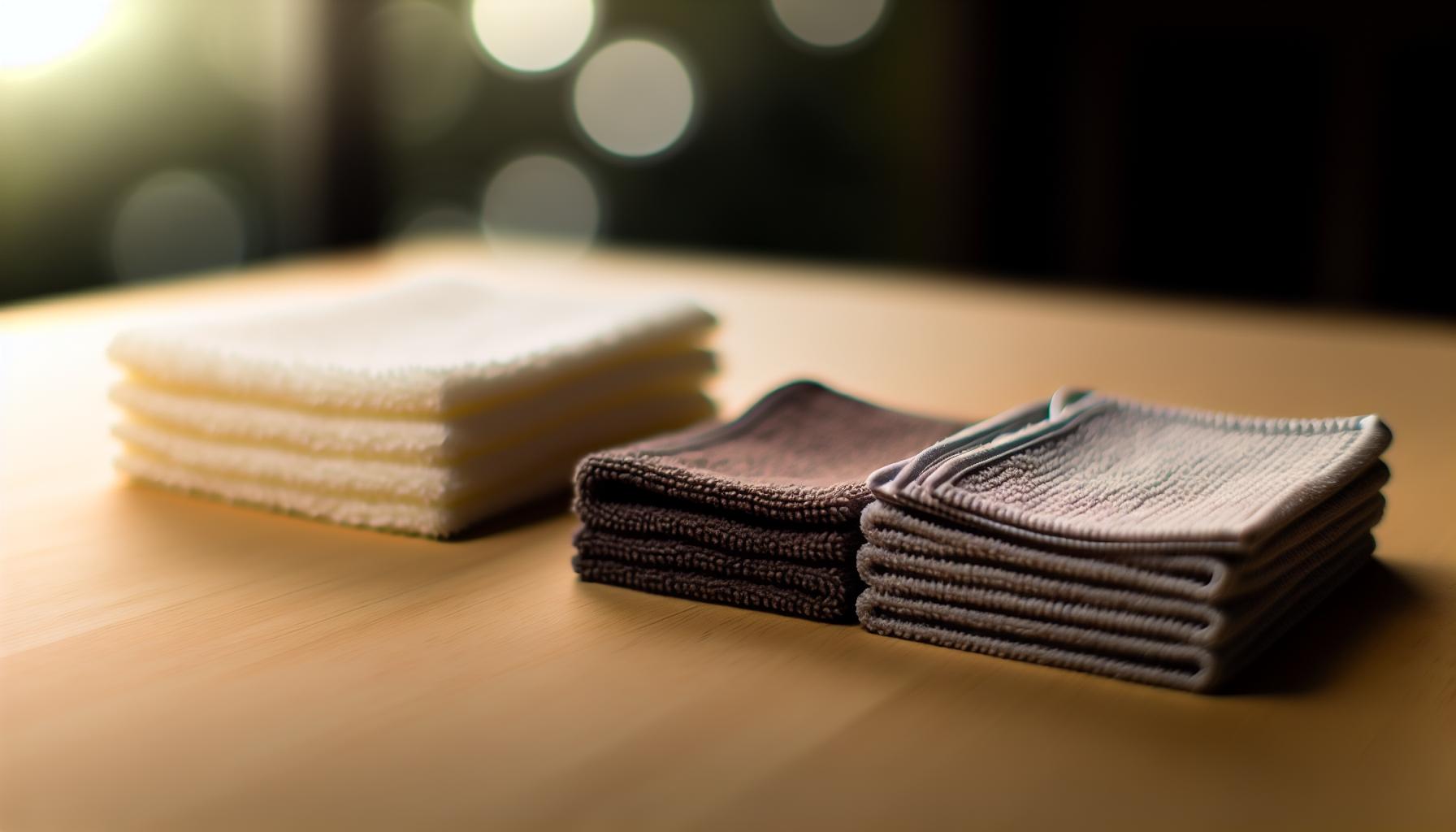
– Microfiber vs. Cotton: Which is Better?
When it comes to applying oil to your cherished furniture, the choice of cloth can significantly influence the results. The debate between microfiber and cotton is one that resonates with many home care enthusiasts. Both materials have their distinct advantages, yet they serve slightly different purposes in furniture maintenance.
Microfiber is often lauded for its incredible durability and lint-free properties. This synthetic fabric can hold a considerable amount of oil, making it efficient for larger areas or surfaces that require a thicker application. Because microfiber is designed to trap dust and dirt, it also prevents scratches, providing peace of mind as you nurture your furniture’s finish. Moreover, its resistance to wear and tear means that you can enjoy multiple uses from one cloth, allowing it to accompany you through many furniture care rituals without losing its effectiveness.
On the other hand, cotton boasts a natural softness that many find appealing. Known for its exceptional absorbency, cotton is ideal for gently polishing finishes and ensuring an even distribution of oil without streaks. The breathability of cotton allows the wood to soak in oil fully, enhancing the natural grain without harsh abrasives. Choosing organic cotton can also offer an eco-friendly option, connecting you to the rustic, handcrafted lifestyle that celebrates sustainable practices.
Ultimately, your choice may depend on specific needs. For a routine, everyday touch-up, microfiber’s resilience might be your best friend. In contrast, if you’re embarking on a restorative project that requires gentle care, cotton could be your ideal companion. Whatever your preference, take the time to explore these materials, embrace their unique qualities, and create a cozy, fulfilling ritual around caring for your furniture. The heart of cottage living lies in the joy of nurturing your home, and the right cloth can make all the difference.
– Advantages of Using Natural Fabrics for Oil
Utilizing natural fabrics for applying oil to your beloved furniture not only supports effective maintenance but also harmonizes beautifully with a rustic, cozy lifestyle. Natural materials such as cotton and linen inherently possess qualities that enhance their function, from superb absorbency to gentleness on finishes. When you reach for a soft, organic cloth for oiling wood surfaces, you’re not merely cleaning; you’re nurturing a timeless connection to craftsmanship and sustainability.
Natural fabrics have a remarkable ability to hold and distribute oils evenly, which helps restore and enhance the richness of wood grains without leaving behind streaks or residues. The breathability of these materials allows for a full penetration of oil, promoting healthier wood and preventing the surface from drying out. Furthermore, the softness of natural fibers minimizes the risk of scratching delicate finishes, ensuring that your care routine is as gentle as a stroll in a sun-dappled meadow.
The environmental benefits of choosing natural fabrics can’t be overstated. As you embrace a lifestyle rooted in sustainability, opting for materials like organic cotton or linen not only supports your furniture care but also contributes to a broader ecological consciousness. These choices reduce reliance on synthetic textiles, promoting eco-friendly practices that align beautifully with the ethos of cottage living, where respect for nature and craftsmanship go hand in hand.
Incorporating natural fabrics into your furniture care routine fosters a deeper appreciation for the spaces we inhabit. Imagine the satisfaction of knowing each stroke of oil nourishes wood that has weathered the seasons, complementing the warmth of your home. So next time you engage in that charming ritual of oil application, let the softness and absorbency of natural materials be your secret ally-a gentle reminder of the simple, yet profound, joys found in cultivating both your furniture and your nurturing sanctuary.
– Common Mistakes in Cloth Selection for Furniture Care
Selecting the right cloth for oil application on furniture can transform simple maintenance into a nurturing ritual, yet many homeowners unwittingly overlook crucial factors. One common misstep is choosing cloths with synthetic fibers. While these fabrics might seem convenient, they often trap dust and debris, leading to an uneven application of oil and potentially damaging the surface they are meant to protect. Embracing natural options like cotton or linen ensures better absorbency and a gentle touch that preserves the furniture’s finish.
Another mistake is failing to consider the cloth’s texture and weave. A cloth with a rough surface may scratch delicate finishes, while those that are overly coarse can lead to streaking and uneven oil distribution. Opting for softer, tightly woven fabrics is key for a smooth, even application. It’s worth remembering that the goal is to enhance the wood’s appearance, not mar it with unintentional imperfections.
Many also underestimate the risk of using previously laundered materials that may contain detergent residues. Even a residual fragrance can interact negatively with the oils applied, potentially altering colors or odors in a way that detracts from your home’s rustic charm. To avoid this, use dedicated cloths that haven’t been treated with chemicals or fragrances.
Finally, thinking ahead about the longevity and upkeep of your cloths can save time and effort down the line. Some might neglect proper care, letting cloths become stained or worn, which ultimately affects their performance. Incorporating a care routine, such as gently washing and air-drying cloths after use, will ensure they remain effective and ready for the next round of care for your cherished pieces.
Embracing these insights not only safeguards your furniture but also enriches the heartwarming experience of creating a cozy, inviting home. Cultivating a deeper awareness of the simple acts that preserve our surroundings nurtures a space alive with stories and memories, beautifully reflecting the essence of cottage living.
– How to Test Your Cloth for Furniture Safety
To ensure your chosen cloth will safely care for your cherished furniture, consider a few clever testing methods. Selecting the right cloth isn’t just about fabric type; it’s about making sure it won’t inadvertently harm the natural beauty of your wood finishes. With just a bit of practicality and a sprinkle of creativity, you can easily evaluate the suitability of your cloth.
Begin with a simple absorption test. Dampen a small area of the cloth with water and see how well it absorbs moisture. A cloth that quickly drinks up the water indicates it has good absorbency, which is essential for applying oil evenly. If the water beads up or sits on the surface, that cloth may not perform well when it comes to applying oil, leading to streaking or an uneven finish on your furniture.
Next, closely examine the cloth’s texture. Rub a corner of the cloth gently against an inconspicuous section of your furniture to observe its effect on the finish. Look for any scratches or discoloration that may result from this harmless test. A quality cloth should feel soft and smooth against your wood without causing any damage. For an added layer of assurance, consider checking the cloth under a gentle light to inspect for any loose fibers that might shed or leave residue behind during use.
Before you dive into your furniture care routine, consider another ingenious approach: the detergent test. Take a small piece of cloth and wash it without any fabric softener or harsh detergents. Once it’s dry, apply a drop of oil on it and allow it to sit for a few minutes. If the cloth retains any strong scent or changes color, it’s best to reconsider its use for your oil application. This technique can also guide you toward identifying more natural, undyed cloths that resonate well with rustic home aesthetics while ensuring furniture safety.
Taking these thoughtful steps not only protects your cherished pieces but also enhances your connection to them, embodying the very heart of cottage living – nurturing and maintaining the beauty within our homes. With the right cloths, your furniture will not only shine but also thrive, bringing warmth and charm to your inviting space.
– Proper Techniques for Applying Oil with Cloth
To achieve a beautifully cared-for finish that emanates warmth and charm, mastering the technique of applying oil with a cloth is essential. A gentle touch paired with the right methods can elevate not just the appearance of your furniture but also your connection to the space you nurture. Here’s how to do it effectively, transforming your routine into a delightful, mindful practice.
Start by selecting an appropriate cloth-opt for one made from natural fibers like cotton or linen for their absorbency and softness. Before applying oil, ensure that your chosen fabric is clean and dry. Pour a small amount of the oil onto the cloth, enough to dampen it but not so much that it drips or runs. The key is to use the cloth similarly to a brush; you want a subtle application that nourishes the wood without overwhelming it.
Next, use smooth, even strokes to apply the oil, working with the grain of the wood. This not only enhances the aesthetic by allowing the natural patterns to shine but also ensures deeper penetration of the oil into the wood. Small circular motions can be effective in areas requiring more care, but always finish any section in the direction of the grain to avoid streaks. Remember to frequently fold the cloth to reveal a clean surface as you work, preventing residue buildup and promoting even coverage.
Once you’ve covered the desired areas, let the oil sit for a brief period, allowing it to absorb. Afterward, use a separate clean cloth to buff the surface lightly. This step is crucial, as it removes any excess oil, leaving your furniture with a luminous, protective finish rather than a greasy residue. As you buff, you’ll notice how the wood begins to gleam, embodying the rustic elegance that speaks to cozy living.
Incorporate these techniques into your furniture care routine, and you’ll not only maintain but also celebrate the handcrafted beauty of your home. Remember, each stroke is an invitation to connect with your space, nurturing its character just as much as your own. Embrace the joy of caring for your belongings, and let your furniture tell a story of love and attention over time.
– Maintenance of Cloths Used for Oil Application
To maintain your cloths used for oil application, it’s essential to treat them with care, ensuring they remain effective and ready for each session of furniture pampering. These lovely tools deserve attention not only for their function but also to prolong their life and enhance your furniture care routine. Think of it as a little nurturing, much like tending to a garden; the rewards will be plenty when you invest a bit of love.
After using your cloth, gently rinse it under cool water to remove any excess oil. If your cloth is made from natural fibers like cotton or linen, these materials are often forgiving and can handle a light wash. You can add a mild detergent to the water for an extra cleansing touch. Avoid bleach or harsh chemicals, as they can degrade the fabric and compromise its softness. Lay the cloth flat to dry in a well-ventilated area, steering clear of direct sunlight which can cause fading. Once dried, give the cloth a good shake or a gentle fluff to restore its texture.
For optimal storage, designate a cozy spot in your crafting or cleaning area-a place that feels inviting and adds to the charm of your cottage lifestyle. A simple wicker basket or a hand-crafted wooden drawer can serve as both decor and function, keeping your cloths organized. Ensure they are stored clean and dry to prevent any mildew or odor. Consider labeling each cloth to simplify your tasks-this not only sounds practical but adds a touch of rustic charm to your space.
If you find your cloths losing their effectiveness over time, it may be necessary to replace them. This is a great opportunity to explore new fabrics or even to try your hand at sewing your own cloths from delightful remnants or old linens. Not only will this breath new life into your furniture care, but it also connects to a joyful practice of repurposing that celebrates sustainability and creativity.
By giving your cloths the care they deserve, you invite a sense of calm and joy into your home. Each time you reach for a well-maintained cloth, you’ll feel a sense of connection to your space, reflecting the attention and love you pour into your furniture care routine. Embrace these simple yet impactful practices, and let your home resonate with the inviting spirit of cottage living.
– Eco-Friendly Cloth Options for Sustainable Care
Imbuing your furniture care routine with eco-friendly cloth options not only benefits your beloved pieces but also contributes positively to our planet. Choosing sustainable materials can transform your oil application process into a nurturing act of love for your home and environment. With a growing awareness around sustainability, there are delightful choices available that uphold both function and ethical responsibility.
Consider natural fibers like organic cotton or hemp. These materials are not only remarkably durable and effective at absorbing oils but are also biodegradable, ensuring they leave no lasting impact on the earth once their useful life is over. Bamboo cloths are another excellent option; they possess natural antibacterial properties, which keep your cleaning routine fresh and hygienic. Investing in high-quality, sustainable cloths means you can wash and reuse them countless times, reducing waste typically associated with disposable products.
Another charming direction to explore is making your own cloths from upcycled materials. Old linen sheets or worn-out cotton shirts can be lovingly transformed into perfect tools for applying oil. This DIY approach not only saves money but also adds a personal touch to your furniture care regimen. Embrace creativity as you turn what might have been destined for the trash into something nurturing and functional for your cozy living space.
Incorporating these eco-friendly options into your furniture care practice aligns beautifully with a rustic, cottage-inspired lifestyle. As you lovingly apply oil to nourish your wooden furniture, you can feel a sense of pride knowing that each wipe is not just enhancing the beauty of your home, but also supporting sustainable practices that protect our earth for future generations. In this way, every cloth you use becomes not merely a tool but a small piece of your commitment to conscious living.
– Using Cloths for Different Furniture Finishes
Choosing the right cloth for applying oil to different furniture finishes can transform your approach to furniture care, allowing your cherished pieces to shine while enhancing their longevity. Whether your furniture features a glossy lacquer, a rustic matte finish, or a natural wood tone, the cloth you select can greatly influence the outcome. Each finish has distinct qualities that require specific care, ensuring your efforts are both effective and gentle on the surface.
For glossy and varnished finishes, opt for a soft, lint-free cloth, such as microfiber. This type of fabric glides smoothly across the surface, preventing scratches and swirl marks while effectively distributing oil and enhancing shine. Additionally, a microfiber cloth traps dust and minimizes the risk of deeper scratches that might occur with rougher fabrics.
When working with matte or distressed finishes, natural fibers like cotton or linen are particularly effective. These materials offer a bit of texture that can help the oil penetrate the wood without leaving too much residue. It’s essential to avoid overly plush cloths, as they may contribute to a glossy look that clashes with the desired rustic aesthetic. A light touch is key here; gently rub the oil in circular motions to maintain the integrity of the finish.
Lastly, for unfinished or raw wood pieces, consider using an old cotton T-shirt or similarly soft fabric. This approach is particularly endearing, as repurposing old clothing connects with the cottage lifestyle ethos of sustainability and resourcefulness. It allows you to nourish the natural grain of the wood deeply, while promoting a more rustic finish that enhances the character of each piece.
Taking care of your furniture doesn’t have to be a chore; it can instead be seen as an engaging ritual that connects you to your home. Embrace the charm of using the right cloth, and find joy in the subtle transformations as your furniture reveals its true character with each application.
– DIY Cloth Alternatives for Furniture Care
Finding delightful alternatives for your furniture care needs doesn’t require a trip to the store; it can often be accomplished with the materials you already have in your cozy cottage or farmhouse. From vintage linens that hold cherished memories to worn-out clothing waiting for a new purpose, embracing DIY cloth alternatives brings not only savings but also a touch of nostalgia and creativity into your home maintenance routine.
Start by exploring old, soft cotton sheets or pillowcases that have seen better days. These items are perfect for applying oils and treatments to your furniture. Their absorbency allows for even distribution without the risk of scratching surfaces, making them ideal for both polished and natural finishes. Simply cut them into manageable sizes, and you have a ready supply of eco-friendly cloths that reflect the rustic charm of your home.
Another wonderful option is to repurpose kitchen towels, especially those made of lint-free fabric. Think of the charming vintage tablecloths or simple cotton dishcloths that can easily transition from drying dishes to caring for your beloved furniture. Not only do these materials provide the right texture for applying oil, but they also carry a spirit of resourcefulness-perfectly in line with cottage living ethos. You could even make this a crafty family project, involving your little ones in cutting and decorating the cloths for a personal touch.
Furthermore, consider upcycling soft, wool sweaters that have felted over time. By cutting them into squares, you instantly create luxurious cloths that are naturally absorbent and great for adding oils to wood. They can provide an intriguing tactile experience as you care for surfaces while contributing to a warm, rustic aesthetic in your home.
As you experiment with these alternatives, remember to give each cloth a gentle wash and dry before use, ensuring that they remain safe for your furniture. This cozy, inventive approach to cloth selection enriches your furniture care routine, allowing you to infuse your home with a blend of practicality and heartfelt memories, celebrating every little beauty found in the journey of cottage living.
– Expert Tips for Storing and Caring for Cloths
Storing and caring for your cloths used for oil application is a crucial step in maintaining their quality and extending their lifespan. The right storage solutions not only protect your cloths from dust and damage but also ensure they remain ready for use whenever you need them. Consider dedicating a cozy corner in your home for this purpose-perhaps a charming basket or wooden crate that reflects the rustic aesthetic typical of cottage living. By folding your cloths neatly and placing them in a breathable fabric bag or basket, you can keep them organized and easily accessible, all while adding a touch of delightful decor to your space.
Make sure to wash your cloths regularly to remove any residual oils or dirt that could affect their performance in the future. For natural fabrics like cotton or wool, a gentle cycle with mild detergent is sufficient, but avoid using fabric softeners, as these can impair absorbency. After washing, air dry your cloths to maintain their softness and shape. If you’ve been using synthetic fabrics, ensure they are also cleaned adequately since they can harbor oils that may transfer back onto your furniture.
It’s also helpful to keep a label on your storage container or bag, indicating which cloths are specifically for applying oils and which are for other uses, such as cleaning or dusting. This little organizational tip will save you time and frustration when you’re deep into a furniture care project. As a bonus, you might consider sprinkling in a few lavender sachets or cedar chips, infusing your cloths with a sweet aroma while naturally deterring pests-perfectly in tune with the warm, inviting atmosphere of cottage living.
Lastly, remember to check on your cloths periodically, especially after long storage periods. Ensure they are in good condition and ready for use. This simple act of care enriches your home maintenance ritual, fostering a connection to the beauty of handcrafted elements in your daily life and ensuring that your furniture stays lovingly maintained while reflecting the warm spirit of your cottage lifestyle.
Q&A
Q: What type of cloth is best for applying oil to wood furniture?
A: The best cloth for applying oil to wood furniture is soft, absorbent materials like microfiber or cotton. These fabrics minimize scratches and distribute oil evenly, enhancing wood’s natural beauty without leaving lint or residue.
Q: Can I use old t-shirts as cloth for applying furniture oil?
A: Yes, old t-shirts are an excellent choice for applying furniture oil. They are usually soft, absorbent, and lint-free, making them effective for coating, while being a sustainable option for oil application.
Q: What should I avoid when choosing cloth for furniture care?
A: Avoid synthetic fabrics with rough textures or rough seams, as these can scratch the surface of your furniture. Additionally, steer clear of cloths that may leave lint or residues, such as paper towels and certain older fabrics.
Q: How do I clean cloths used for applying oil to furniture?
A: Clean cloths used for applying oil by washing them in hot water with a mild detergent, and avoid fabric softeners. Allow them to air dry completely before storing to prevent mold and odors.
Q: Why is microfiber preferred for furniture oil application?
A: Microfiber is preferred for furniture oil application because it is highly absorbent, soft, and creates minimal friction. This helps distribute oil evenly without damaging the wood, ensuring a smooth finish.
Q: How often should I replace cloths used for oil application?
A: Replace cloths used for oil application when they become worn, frayed, or stained with excess oil. Regular inspection will help maintain effective application and protect your furniture’s finish.
Q: Are there eco-friendly cloth options for applying furniture oil?
A: Yes, options like organic cotton, hemp, or bamboo cloths are eco-friendly choices for applying furniture oil. They are biodegradable and free from harmful chemicals, providing a sustainable solution for furniture care.
Q: Can I use any type of fabric to apply furniture oil?
A: Not all fabrics are suitable for applying furniture oil. It’s best to use soft, absorbent cloths like cotton or microfiber. Avoid rough materials, as they can scratch and damage your furniture’s surface.
The Way Forward
Now that you know which cloth works best for applying oil to your furniture, it’s time to put that knowledge into action! Remember, using the right fabric not only enhances the beauty of your pieces but also ensures their longevity. Don’t wait-grab your favorite cloth and start giving your furniture the care it deserves today. If you’re still uncertain about other aspects of furniture maintenance or need tips on rustic home design, check out our article on Essential Furniture Care Tips and DIY Decor Projects for more valuable insights.
We’d love to hear about your experiences-share your thoughts in the comments below or connect with fellow cottage enthusiasts! For even more cozy content, consider signing up for our newsletter, where you’ll receive seasonal gardening tips, farmhouse recipes, and inspiration for creating your own rustic haven. Keep exploring the charm of cottage living and embrace the simple joys that come with it!