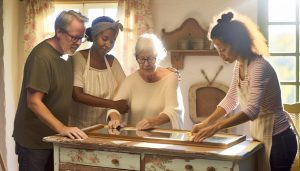
When it comes to creating a cozy and safe environment for your little one, what lies beneath the surface of baby furniture is just as important as its charming appearance. Many parents worry about the safety of finishes used on nursery items, particularly when it comes to toxic chemicals. This guide explores safe top coats that can protect and enhance the beauty of baby furniture while ensuring the well-being of your child. By choosing the right finish, you not only safeguard your baby’s health but also add a touch of handcrafted beauty to your home. Join us as we delve into the world of safe finishes, providing essential tips and insights to help you make informed decisions. Embrace the joy of nurturing a cozy cottage atmosphere, where every detail reflects your love and care for your family.
What Makes a Top Coat Safe for Baby Furniture?
What truly makes a top coat safe for baby furniture goes beyond the mere absence of harmful chemicals; it intertwines safety, durability, and the charming aesthetics that a cozy home embodies. The enchantment of handcrafted furniture is often found in the finishes we choose. When selecting a top coat, look for materials that are water-based and free from volatile organic compounds (VOCs). These coatings are not only kinder to the environment but also ensure that the air in your home remains pure, providing a healthier space for your little ones to grow and explore.
Choosing a finish that adheres to strict safety standards is crucial. Look for certifications such as Greenguard Gold or ASTM F963 – these indicators assure that the product has been rigorously tested for harmful substances. While the appeal of a glossy hardwood finish is undeniable, the safety of your baby should take precedence; opt for satin or matte finishes that provide a charming, understated elegance while minimizing the risk of slip hazards.
For a more rustic, DIY feel, consider using a natural oil blend as a top coat. Options like hemp oil or tung oil not only enhance the wood grain’s beauty but also offer a non-toxic finish. These oils create a natural barrier against moisture and dirt, allowing the beauty of nature to shine through in your home. Remember that while these finishes may take a bit longer to cure, the peace of mind they offer is worth any extra patience. Embracing simple and safe choices in your home decor will cultivate an environment that is not only aesthetically pleasing but also nurturing and secure for your beloved little ones.
Essential Ingredients to Look For in Safe Coatings
When selecting a top coat for baby furniture, the journey towards safety begins with understanding the essential ingredients that ensure the well-being of your little ones. Opting for coatings that prioritize both health and charm can transform your child’s environment into a cozy, nurturing haven. Look for water-based formulas that offer a refreshing alternative to traditional finishes, as these generally contain fewer harmful chemicals and lower levels of volatile organic compounds (VOCs). This choice not only fosters a cleaner atmosphere but also reflects a commitment to a sustainable, eco-friendly lifestyle.
Non-Toxic Qualities: Ensure that the products you choose are specifically labeled as non-toxic. This may include finishes derived from natural sources, like oils or waxes, which not only bring out the beauty of the wood but also create a safer play environment. Ingredients like soybean oil, linseed oil, and beeswax serve as wonderful options that blend functionality with aesthetics while being gentle on the earth-and your baby.
Certifications Matter
Checking for certifications such as Greenguard Gold and ASTM F963 is crucial. These labels signify that the product has undergone rigorous testing to meet high safety standards. By selecting finishes with these certifications, you are adding an additional layer of protection and assurance that the products are not only safe for your furniture but also safe for your family’s health.
Natural Additives
When sifting through various products, look for coatings that incorporate natural additives which enhance durability while ensuring safety. For instance, some finishes utilize ingredients like tung oil or shea butter, which not only protect the wood but also provide a pleasing aesthetic appeal. These natural coatings are often easier to apply and maintain, helping to create a resourceful DIY project that brings the family together while adding character to your home.
Embracing these thoughtful selections will pave the way for a beautifully furnished space that exudes warmth and creativity, embodying the charm of cottage living while providing the safety every parent desires for their precious little ones.
Comparing Popular Safe Top Coats for Baby Furniture
When selecting a top coat for baby furniture, it’s essential to explore the offerings in the market that prioritize safety without compromising on style or durability. Not all finishes are created equal, and understanding the differences among popular safe top coats can empower you to make informed choices that create a nurturing environment for your little one. For instance, water-based polyurethane stands out as a favorite due to its low VOC emissions and quick drying time. This finish provides robust protection against scratches and stains, ensuring that your baby’s furniture remains both charming and functional for years to come.
Another commendable option is plant-based finishes, which often feature ingredients like soybean oil or coconut oil. These natural alternatives are not only non-toxic but also imbue the wood with a subtle warmth and character that synthetic finishes may lack. Moreover, they often have pleasant, light scents that make the application process more enjoyable-a joy in fostering a handmade atmosphere as you prepare a cozy nook for your child.
If you’re looking for a matte finish that enhances the rustic charm of wood while being gentle on the environment, milk paint is a wonderful choice. It’s derived from natural ingredients, including milk protein and clay, and is safe for children. Milk paint not only provides a beautiful, handcrafted look but also allows your furniture to breathe, making it an excellent option for older pieces in need of a makeover.
When considering these finishes, it’s crucial to evaluate their performance in daily use. Some top coats have a longer cure time, requiring greater patience but resulting in a more durable finish. For the parents seeking a balance between ease of use and quality, water-based acrylic finishes provide an ideal solution. They are generally user-friendly and offer reliable protection without harmful chemicals.
In choosing the right top coat, consider your individual style and the specific needs of your baby’s environment. Each option brings its own charm and advantages, helping you craft a space that feels like home, resonating with warmth and a welcoming spirit. Embrace the process as a delightful avenue of creativity in your family’s story, connecting more than just wood and paint but creating memories that will last a lifetime.
Application Techniques for Achieving a Smooth Finish
To achieve a flawless finish when applying top coats to baby furniture, attention to detail in the application process can make all the difference. One of the most effective techniques involves carefully selecting your tools and executing the application with precision to ensure a smooth, even surface. Using a high-quality brush or a foam applicator can help minimize brush strokes, while a sprayer can offer a professional touch for those comfortable with the equipment. Whichever method you choose, remember that a light hand is key; too much pressure can cause unevenness and drips, which are far from the aesthetic you want to create.
Preparing your furniture beforehand is equally as important. Begin by sanding the surface with fine-grit sandpaper to create a smooth canvas for your top coat. This not only helps the finish adhere better but also eliminates any imperfections. After sanding, make sure to wipe away dust with a tack cloth to prevent it from settling into your finish. If you’re working with multiple layers, consider using a ‘between coats’ sanding technique. Lightly sand the surface between applications of the top coat to achieve a silky smooth feel, ensuring proper adhesion for subsequent layers.
As you apply the finish, work in small sections and move consistently from one side to another, avoiding the temptation to go back and touch up areas that you’ve already coated. This can disturb the wet finish and lead to visible brush marks. Instead, focus on maintaining a wet edge and blend each section into the next for a seamless look. Depending on the product, following the manufacturer’s recommendations for drying and cure times is vital; patience during this phase can lead to a far superior finish.
To create a truly inviting baby space, don’t forget the ambiance of your workspace. Embrace the comforting atmosphere of cottage living by playing your favorite soft music and perhaps having a warm beverage nearby as you revel in the joyful act of painting. By embracing your creativity in these moments, you transform a simple DIY project into a cherished memory, enriching your home with both beauty and safety for your little one.
Importance of Ventilation When Applying Top Coats
When applying top coats to baby furniture, ensuring proper ventilation in your workspace is essential, not only for achieving a flawless finish but also for safeguarding your family’s health. Many top coats contain volatile organic compounds (VOCs) that can release harmful fumes during application. These odors can quickly accumulate in enclosed spaces, potentially leading to headaches, dizziness, or respiratory issues. By allowing adequate airflow, you can help disperse these fumes, creating a safer environment for both you and your little one.
To create an effective ventilation setup, aim for a space that offers fresh air circulation. Open windows and doors to encourage a cross breeze, and consider using fans to aid air movement. If possible, position your furniture project near an exterior door or window. This not only helps reduce fume concentration but can also enhance the drying process of your top coat, ensuring that your beautifully coated furniture is ready for use as soon as possible.
In addition to natural ventilation, wearing a mask designed to filter out VOCs is a practical safety measure. This simple step serves as an extra layer of protection, allowing you to focus on your creative process while feeling at ease. It’s a lovely reminder that even the most intricate DIY projects necessitate a nurturing approach-after all, a calm and safe environment fosters creativity. Embracing cottage living values of care and attention, you can truly transform your workspace into a haven of craftsmanship and safety.
Remember, the essence of DIY is not just about creating functional pieces but also about cherishing the moments spent crafting them. As you take care to ventilate your space properly, you’ll be enveloped in a sense of accomplishment and peace, knowing that you’ve prioritized the well-being of both your family and your home. When you combine safety with creativity, every brushstroke becomes a labor of love, contributing to a warm, inviting atmosphere that nurtures both spirit and connection.
Best Practices for Curing and Drying Times
To ensure the best results when applying top coats to baby furniture, understanding the curing and drying times is integral to achieving a safe, beautiful finish. The term “drying” refers to the process where the top coat becomes touch-dry, while “curing” involves the chemical processes that occur afterwards, solidifying the finish and enhancing its durability. Both drying and curing times can greatly influence the final product, and patience is key in this creative endeavor.
When applying a top coat, always consult the manufacturer’s instructions for specific drying and curing times, as these can vary significantly depending on the type of finish used. For water-based finishes, it may take anywhere from 2 to 6 hours to dry to the touch, while oil-based finishes might take longer-up to 24 hours. However, it’s essential to remember that despite being dry to the touch, your furniture piece may not be fully cured for a week or more. This time frame allows the layers to harden completely, enhancing the toughness of the surface against wear, spills, and scratches, which is particularly crucial in a baby’s environment.
For those who wish to optimize the process, here are some best practices to consider:
- Environment Matters: Ensure that the temperature and humidity levels are conducive to curing. Ideally, a warm, dry space (approximately 70°F and 50% humidity) will facilitate faster curing times.
- Avoid Overlapping Coats: If you plan to apply multiple layers, follow the suggested drying periods precisely before adding additional coats, as rushing this process can lead to a tacky surface that never fully hardens.
- Gentle Handling: Once the item is dry to the touch, it’s tempting to begin using it. However, wait until full curing is achieved to avoid dents or damage. A gentle reminder: your lovingly crafted furniture deserves your patience!
After application, consider using fans to circulate air gently in the workspace; however, avoid direct air blowing on the surface, which can cause uneven curing. Embracing these practices not only leads to a refined finish but also instills a sense of accomplishment and care in your project. Remember, this is more than just a functional piece; it’s a creation that nurtures warmth, family connection, and the joy of craftsmanship within your cozy home.
Common Mistakes to Avoid When Coating Baby Furniture
When it comes to coating baby furniture, the journey to achieving a safe and beautiful finish can be as rewarding as it is challenging. One common pitfall that many DIY enthusiasts encounter is underestimating the significance of preparation and patience. Rushing through the initial steps often leads to unsightly blemishes or uneven surfaces that could jeopardize not only aesthetics but also the safety of the space where your little one will play and explore.
One of the most frequent mistakes is skipping the necessary cleaning and sanding phases before applying the top coat. A thorough clean ensures that grime, dust, and oils do not interfere with adhesion, while sanding creates a surface that promotes bonding. Neglecting these steps can result in peeling or flaking finishes, leaving your lovingly crafted piece vulnerable over time. Always remember to wipe the surface with a damp cloth and let it dry completely before diving into the coating process.
Another misstep is the temptation to apply too many layers of top coat at once, driven by the desire for an ultra-smooth finish. However, layering too thickly can backfire, leading to a tacky feel that never fully cures. Instead, adhere to drying times recommended by the manufacturer-waiting patiently for each coat to dry to the touch before applying the next will ensure that your finish cures beautifully. To make this process seamless, consider using a timer to keep track of dry times, allowing you to focus on the next stages of your project with confidence.
Lastly, inconsistency in application can create a host of issues, from streaks to uneven gloss levels. Whether you’re using a brush, roller, or spray, maintaining a steady, even hand is paramount. Incorporating techniques such as feathering at the edges to blend each layer can elevate your finish from ordinary to extraordinary. Remember, the aim is not merely to coat but to create a cherished piece of furniture that enhances your home’s rustic charm while providing a safe haven for your little one. Embrace the process, savor the experience, and let your creativity shine-your passion will be reflected in the final outcome!
Eco-Friendly and Non-Toxic Options for Baby Safe Finishes
Creating a safe and inviting environment for your little one involves choosing the right finishes for baby furniture. Many parents are now turning to eco-friendly and non-toxic options that safeguard the health of their children while providing a beautiful aesthetic. Did you know that some finishes can not only enhance the appearance of your furniture but also carry certifications that ensure safety when it comes to chemical emissions?
Choosing natural oils, such as tung or linseed oil, can serve as wonderful, eco-friendly options that provide a durable finish without harmful chemicals. These oils penetrate the wood, enhancing its natural beauty while forming a protective layer. When you opt for ingredients like beeswax or coconut oil, you can create a finish that is not only safe for babies but luxurious in texture, providing a cozy feel that is characteristic of cottage aesthetics.
Another popular choice is water-based polyurethane, which is considered a safer alternative to traditional oil-based products. These finishes typically emit fewer volatile organic compounds (VOCs), making them healthier for indoor air quality. When searching for water-based options, look for products that are certified by organizations such as Greenguard, which ensures low emissions from the products involved. This will reassure you that the furniture in your baby’s space is both stylish and safe.
For those who cherish DIY projects, mixing your own non-toxic paints or stains can be a rewarding practice. Simple solutions made from natural pigments or plant-based dyes can bring a unique touch to your baby’s furniture while keeping the environment in mind. Remember, baby-safe finishes should not only be functional but also reflect the warmth and creativity of a handcrafted home. Embrace the charm of rustic living as you delicately coat each piece, creating a safe haven that nurtures your family’s wellbeing and supports a lively, loving atmosphere.
User Reviews: Real Experiences with Safe Top Coats
User reviews can be a treasure trove of wisdom when it comes to choosing the right top coats for baby furniture. Many parents share their experiences, shedding light on what truly works in achieving that perfect balance of safety and beauty. For example, one mother raved about using a water-based polyurethane, stating that it not only enhanced the natural grain of the wood but also dried quickly with minimal odor-a crucial factor when setting up a nursery. Reviews like hers often emphasize the importance of products labeled with certifications like Greenguard, giving peace of mind regarding indoor air quality.
The charm of different ingredients also surfaces in these discussions. Many DIYers delight in using coconut oil mixed with natural wax, appreciating its soft, warm feel and how easily it applies. Users often note that not only does this combination protect the furniture but it also gives it a lovely sheen that highlights its handmade character. There’s something beautifully rustic about the glow it imparts, making every piece feel special in a cozy, cottage charm kind of way.
A common theme in user feedback is the application techniques that lead to the best finishes. Several parents recommend applying in thin layers and allowing ample drying time in between, creating an inviting ritual that turns a simple project into a mindful experience. This not only ensures a smooth and even golden finish but also allows time to reflect on the handcrafted nature of the furniture being nurtured for their little ones.
As you explore these heartfelt reviews, remember to consider the stories behind each top coat. They are not just products; they embody the love and care of families creating safe, beautiful spaces. Through shared experiences, you’ll find encouragement to try various eco-friendly options, knowing that each selection adds a touch of rustic warmth to your home.
How to Test Top Coats for Safety and Durability
To ensure that your choice of top coat for baby furniture harmonizes safety and durability, an engaging method of testing is essential. The process can be as much about enjoyment and creativity as it is about protection. By taking a systematic approach, you can verify that the coating not only looks beautiful but also stands up to the rigors of nursery life.
Start by examining the manufacturer’s specifications, looking for certifications that guarantee safety features like low volatile organic compounds (VOCs) and non-toxic ingredients. Go for products labeled with distinctions such as Greenguard or ASTM certifications, which are indicators of a safer choice for babies. Next, perform a simple scratch test on a sample coated surface. Just use a fingernail or a flat metal object to lightly scratch the surface; a durable top coat should resist indentation and show minimal wear.
For further assurance, pour a small amount of water on the coated surface and observe how it interacts. A well-applied top coat should repel water, beading it up without soaking in. If the surface absorbs moisture, it could suggest a compromised barrier, calling for a reconsideration of your choice.
Lastly, consider the fragrance. Many top coats can emit strong odors during application, which can linger in indoor environments. A quick sniff test after application can provide insights into whether it’s suitable for a baby’s room. By using these hands-on tests and reflecting the values of handcrafted beauty, you’ll ensure that your chosen top coat meets the loving standards necessary for baby furniture, celebrating both safety and aesthetic appeal.
Maintenance Tips for Preserving Baby Furniture Finishes
Preserving the beautiful finish of your baby furniture is not just about aesthetics; it reflects a nurturing environment where safety and charm intertwine. With a bit of care and attention, your lovingly finished pieces can remain as delightful as the day they were completed. Here are some maintenance tips to ensure your top coat stays pristine, allowing the rustic beauty of your furniture to shine through while keeping your baby safe.
To start, regular cleaning is essential. Gently wipe down surfaces with a soft, damp cloth to remove dust and sticky fingerprints. Avoid harsh chemicals that could degrade the finish or emit harmful fumes. Instead, consider using a mild soap solution or natural cleaners. After wiping, dry the surface immediately to prevent any moisture from seeping into the finish.
Next, consider the placement of your furniture. Position pieces away from direct sunlight to prevent fading over time. Exposure to heat sources, like radiators or vents, can also cause finishes to crack or peel. If your furniture is near windows or heat sources, think about soft window treatments that can diffuse sunlight while adding a cozy, cottage charm to your space.
Another vital aspect of maintenance is inspecting for wear and tear regularly. Look for any signs of chipping or lifting of the top coat. If you notice any areas that need attention, it’s best to touch them up promptly to prevent further damage. A quick application of the same top coat used initially can often remedy these minor issues while preserving the overall beauty and integrity of your furniture.
Lastly, teach little ones about the beauty of their surroundings. Encourage gentle play around the furniture; after all, instilling respect for their environment at an early age can lead to lasting habits. Creating a comforting and inspiring atmosphere, where the beauty of handcrafted pieces is celebrated, helps establish a nurturing place full of love and creativity.
By integrating these easy maintenance practices, your baby furniture will not only retain its beauty but will continue to create a warm and inviting backdrop within your cherished home, embodying the spirit of rustic, comforting living.
Frequently asked questions
Q: What types of finishes are considered safe for baby furniture?
A: Safe finishes for baby furniture include water-based paints, non-toxic varnishes, and organic oils like linseed or tung oil. Look for certifications such as GREENGUARD or those meeting ASTM standards, ensuring they are free from harmful chemicals. Always choose products specifically labeled as baby-safe.
Q: How long should I wait to use baby furniture after applying a top coat?
A: It is generally recommended to wait at least 24-48 hours after applying a top coat before using baby furniture. However, consult the product label for specific curing and drying times to ensure safety before introducing your baby to the furniture.
Q: Can I use regular paint as a top coat for baby furniture?
A: Regular paint is not recommended for baby furniture unless it is explicitly labeled as non-toxic and safe for children. Always opt for specialty paints designed for children’s products to avoid harmful fumes and chemicals.
Q: What are common mistakes to avoid when applying top coats on baby furniture?
A: Common mistakes include skipping thorough cleaning before application, using the wrong type of applicator, and not allowing for adequate drying time between coats. Refer to the ‘Common Mistakes’ section in our guide for more detailed advice.
Q: Are there eco-friendly top coat options for baby furniture?
A: Yes, eco-friendly top coats include plant-based varnishes, water-based finishes, and certified biodegradable coatings. Look for products that are free from VOCs and harmful solvents to ensure a safer environment for your baby.
Q: How can I ensure the top coat I choose is durable for baby furniture?
A: To ensure durability, select top coats specifically formulated for furniture use, and follow application instructions meticulously. Testing samples and checking user reviews can also help gauge the product’s performance under daily wear and tear.
Q: Is it necessary to ventilate the area while applying a top coat on baby furniture?
A: Yes, adequate ventilation is crucial when applying top coats to minimize exposure to fumes. Open windows and use fans to circulate air during and after application, as discussed in the ‘Importance of Ventilation’ section of our guide.
Q: How can I test the safety of a top coat before applying it to baby furniture?
A: You can test the safety of a top coat by reviewing its Material Safety Data Sheet (MSDS) for harmful substances, checking for third-party certifications, and applying a small sample on an inconspicuous area to assess any adverse reactions before full application.
In Summary
As you embark on the journey of creating a safe and stylish environment for your little one, remember, choosing the right top coat for baby furniture is essential for peace of mind. With the insights shared in our guide, you can confidently select a product that not only protects your treasured pieces but also supports your family’s health. Don’t wait-take action today!
To enrich your cozy cottage experience, dive into our related articles on DIY decor projects and seasonal gardening tips, perfect for nurturing both your home and spirit. Also, consider signing up for our newsletter for even more rustic inspiration and exclusive content! Share your thoughts below, and let us know your favorite safe finishing tips for baby furniture. Together, let’s cultivate a nurturing and beautiful space for our families to thrive!