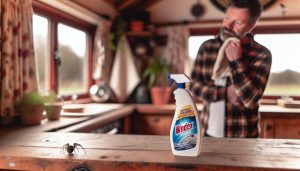
Imagine walking into a cottage where every piece of furniture tells a story-a tale of rustic charm and cozy gatherings. Properly applying furniture polish not only enhances the beauty of your beloved pieces but also extends their life, ensuring they remain a cherished part of your home for years to come. In this guide, we’ll explore essential techniques and tips to help you polish like a cottage pro, bringing out that enchanting shine while preserving the fine details of your furniture. Whether you’re prepping for a cozy gathering or simply indulging in self-care while tending to your home, mastering the art of furniture polishing celebrates the handcrafted beauty that resonates with cottage living. Dive in to uncover the secrets that will transform your space into a sanctuary of warmth and creativity.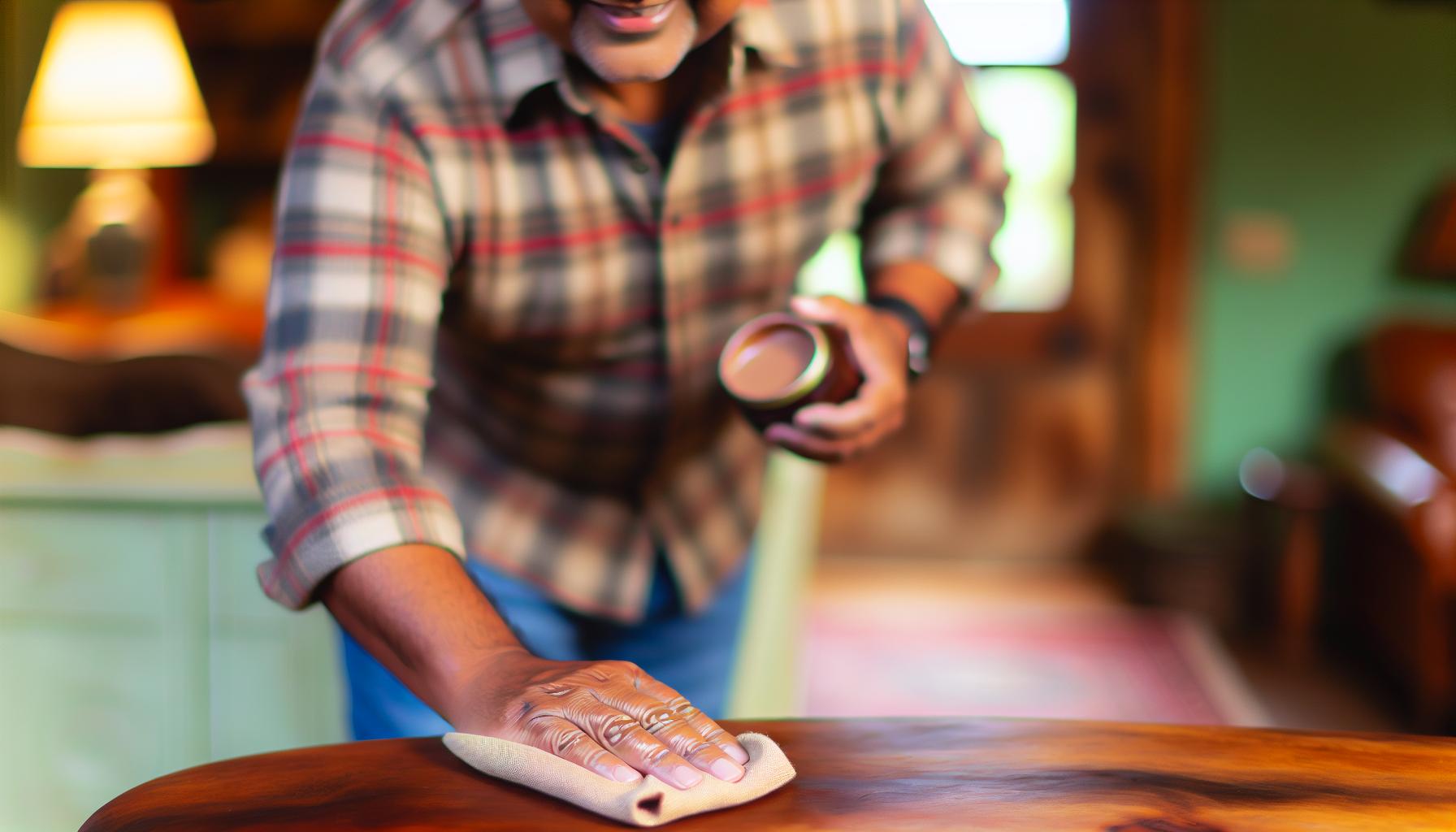
How Furniture Polish Enhances Cottage Aesthetics
There’s something undeniably enchanting about how a well-maintained piece of furniture can breathe life into a cottage setting. The gentle sheen of polished wood reflects the soft, natural light filtering through cozy windows, creating a warm ambiance that speaks to the heart of rustic living. Imagine the way a vintage oak table, lovingly treated with the right polish, becomes a focal point for family gatherings, its surface gleaming like a beacon of hospitality. These small touches not only enhance the aesthetic appeal of your cottage but also connect the practical with the poetic, transforming everyday moments into cherished memories.
Choosing the right furniture polish is essential for achieving the aesthetic you desire. A high-quality product can accentuate the natural grain of your wood, enhancing its warmth and character. Look for polishes that contain natural oils, as these not only provide a beautiful finish but also nourish the wood, preventing drying and cracking. Furthermore, selecting a polish that is free from harsh chemicals aligns perfectly with the ethos of sustainable living, allowing you to create a serene environment that feels both healthy and inviting.
When applying furniture polish, the key lies in the technique. Start with a clean, lint-free cloth, and apply the polish in long, even strokes, following the wood grain. This not only supports a flawless finish but also helps in maintaining the texture and beauty of the rustic furnishings. To achieve an even more inviting space, consider pairing polished wood with complementary textiles, like soft linens or warm wool throws, to enhance the cottage feel. The interplay of polished surfaces with natural fabrics and colors creates a visually soothing harmony that invites relaxation and connection among family and friends.
Ultimately, regular maintenance with quality furniture polish not only elevates the cottage’s aesthetic but also serves as a tangible expression of care for your home. It’s about celebrating the simplicity and beauty found in rustic living, where each polished surface reflects not just light, but also the love and joy that fills a cherished space.
Choosing the Right Furniture Polish for Your Needs
Choosing the right furniture polish can transform your rustic space into a haven of warmth and charm, enhancing the natural beauty of wood and creating a welcoming atmosphere. With so many options available, it’s essential to understand your needs and the specific qualities of your furniture. A well-selected polish not only highlights the unique grain of the wood but also nourishes it, guarding against drying and damage while allowing the character of the piece to shine through.
When selecting a furniture polish, consider looking for products that contain natural oils such as beeswax, carnauba wax, or coconut oil. These ingredients provide a richer finish and nourish wood fibers, helping to prevent cracking and fading over time. Additionally, choosing polishes that are free from harsh chemicals will align your choices with a sustainable and health-conscious lifestyle, ensuring that your home remains a safe and inviting environment. One delightful option might include homemade or organic polishes which can be easily crafted using olive oil and vinegar, allowing you to customize the scent and feel according to your home’s atmosphere.
Understanding the type of wood you’re working with is crucial. For example, hardwoods like oak and maple benefit from heavier waxes that can provide a substantial glossy finish. In contrast, softer woods such as pine may require lighter polish to avoid excessive buildup and maintain their rustic look. Experimenting with different polishes can be a fun, hands-on approach to discovering what enhances your specific furniture pieces most beautifully.
Lastly, don’t overlook the inspiration that comes from your surroundings. Think about the overall aesthetic of your cottage-complementary textiles, warm lighting, and earthy elements can all influence the polish you choose. Whether it’s a contemporary touch or a classic rustic flair, the right polish will play a significant role in enhancing your home’s character. By choosing wisely and applying thoughtfully, you’ll create an inviting space that showcases the beauty of cottage living while fostering a sense of comfort and community.
Essential Tools for Applying Furniture Polish
To truly embrace the art of furniture polishing and elevate your cottage space, having the right tools at your disposal is essential. Just as a craftsman relies on their trusted instruments, equipping yourself with the best supplies can make the difference between a satisfying shine and a frustrating experience. Imagine the joy of transforming your beloved wooden pieces into gleaming works of art, resonating with the warmth and charm that cottage life embodies.
Start with a set of high-quality lint-free cloths, which are vital for applying polish evenly and achieving a streak-free finish. Microfiber cloths are excellent for this purpose, as they trap dust and debris while ensuring that your wood surfaces remain unblemished. Additionally, consider investing in a few different cloths to act as applicators and buffing tools; a softer cotton cloth can work wonders for applying polish, while a firmer one is ideal for buffing to enhance shine.
Essential Tools to Gather
- Lint-Free Cloths: Essential for a smooth application and buffing.
- Soft Bristle Brush: This can help reach crevices and detailed carvings, ensuring every inch shines.
- Sponge Applicator: Perfect for applying liquid polishes evenly, particularly on larger surfaces.
- Wooden Stick or Spatula: Handy for stirring homemade polishes and ensuring they’re mixed well.
For those nostalgic for cottage charm, why not consider a hand-crafted wooden box to hold your supplies? Not only does it keep items organized, but it also adds a beautiful rustic element to your workspace. When it’s time to apply polish, find a well-lit area where you can truly appreciate the transformation occurring before your eyes. Approach the task with patience and care, allowing the rich history of your furniture to come alive as you nurture its surface.
Lastly, don’t forget to have a protective finish on hand, such as a natural wax, to follow your polishing routine. This establishes a layer of protection against spills and scratches, enveloping your cherished pieces in a veil of warmth. With these tools in your corner, you’re ready to embark on a delightful journey of furniture care, honoring your home’s cozy spirit and the beauty of its craftsmanship.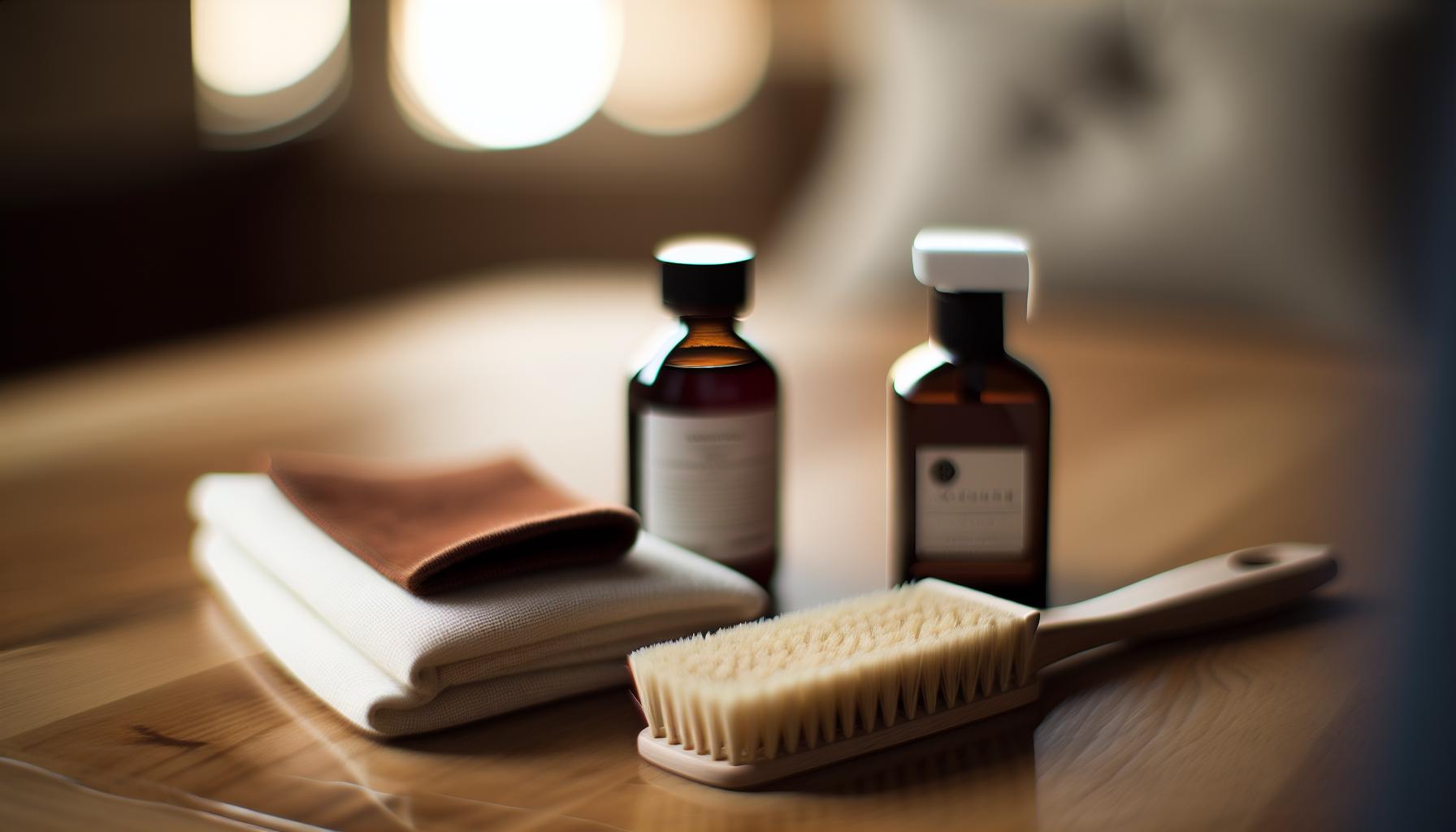
Step-by-Step Guide to Polish Like a Pro
Transforming your furniture into gleaming embodiments of cottage charm is a delightful endeavor that connects you with the rustic beauty around you. Polishing isn’t merely a chore; it’s a chance to nurture your beloved wooden pieces, allowing their natural warmth and character to shine through. Let’s journey together through a step-by-step guide that will make you feel like a cottage pro, bringing an inviting luster to your home.
Begin by choosing a well-ventilated area for your polishing project, as fresh air will enhance your experience. Lay down a soft cloth beneath your piece to catch drips and prevent any mess. Before applying polish, dust off the surface with a lint-free cloth, ensuring that any loose particles are removed. This is a key step; dust can scratch the wood when you start polishing, so think of it as laying the foundation for your masterpiece.
Next, shake your chosen polish and pour a small amount onto your applicator cloth or sponge. The amount should be enough to coat the cloth lightly without saturating it, which can lead to uneven application. Working in small sections, apply the polish with the grain of the wood. Use gentle, circular motions to allow the polish to penetrate the surface, nourishing the wood and highlighting its texture. Remember, less is more; it’s easier to add more polish than to remove excess.
After you’ve polished the entire surface, allow it to sit for a few moments to let the product work its magic. Once the time is up, take a clean, dry cloth and gently buff the surface using the same circular motions. This step is crucial for enhancing the shine and removing any residue left from the polish. Not only does buffing create a beautiful, glossy finish, but it also helps protect the furniture from future dust and scratches.
To wrap up your furniture polishing journey, consider adding a protective layer, such as a natural wax, after the polish has fully cured. This will create a wonderful shield for your cherished pieces while enhancing their rustic appeal. Now step back and admire your handiwork-your polished furniture reflects the cozy charm of cottage living, ready to invite warmth and joy into your home.
Tips for Avoiding Common Furniture Polish Mistakes
It’s a well-known fact that caring for your wooden furniture goes beyond simple cleaning; it can truly transform pieces into cherished highlights of your cottage decor. However, many of us trip up in our polishing efforts. To ensure your polishing process culminates in that inviting, rustic charm reflective of a cozy cottage, it’s crucial to steer clear of some common pitfalls.
First and foremost, avoid the temptation to use too much polish. While it’s easy to think that more product will yield a greater shine, excessive polish can lead to a sticky residue that detracts from the beauty of the wood. Instead, apply sparingly-a little goes a long way! Ensure your cloth or sponge is only lightly coated, allowing for even distribution that nourishes the wood without overwhelming it. If you find yourself applying more than once, take a moment to step back and assess whether the surface truly needs it.
Additionally, timing is everything! Don’t rush the drying process. After applying the polish, give it adequate time to settle into the wood. Impatience might lead to smudges when you attempt to buff it while still wet. Allowing the polish to fully soak in will not only enhance its protective qualities but also elevate its finish.
Another mistake to steer clear of is disregarding the wood grain’s direction. Always polish with the grain-this allows the polish to penetrate correctly and showcases the natural patterns of the wood. Circular motions can be alluring, but going against the grain might permanently mar that beautiful finish you’re working to create.
Lastly, consider the product itself. Not all polishes are created equal! Choose a polish that aligns with your specific wood type and the finish of your furniture. A product designed for oiled woods might not work well on lacquered surfaces, leading to unintended discoloration or damage. Take the time to read labels and select wisely for optimal results.
By embracing these tips and maintaining a joyful, patient mindset, you will not only create a gleaming finish that enhances the beauty of your cottage home but also foster a deeper connection with the pieces you cherish. Remember, this isn’t merely about cleaning-it’s about celebrating the stories and character each item brings to your lovely abode. Happy polishing!
The Importance of Regular Furniture Maintenance
Maintaining your wooden furniture isn’t just a chore; it’s an opportunity to nurture your home’s character and warmth. Regular maintenance is key to keeping your pieces looking beautiful and extending their lifespan. Just like a well-kept garden reflects the tender care of its gardener, your furniture tells the story of your attentiveness and love for your cottage space. Neglect can lead to dull finishes, cracks, and undesirable wear, transforming treasured items into mere shadows of their former selves.
By committing to a routine that includes polishing and care, you not only enhance the natural beauty and luster of the wood but also provide essential protection against dust, dirt, and moisture. A light polish applied every couple of months can revitalize your furniture, bringing out its unique grain and finish. Moreover, this regular ritual can serve as a meditative practice, infusing your space with love and intention. As you take a moment to run your cloth over the surface, you reconnect with your surroundings, finding joy in the smallest details.
Incorporating maintenance into your seasonal routines can also enrich the experience of cottage living. For example, consider a springtime refresh: after the long winter months, take the opportunity to remove dust and apply polish as part of a larger cleaning ritual. In the fall, protect your pieces from changing humidity levels that can cause wood to swell or contract. Tailoring your maintenance to the rhythm of the seasons allows for a comprehensive approach that honors the evolving character of your home.
Finally, don’t overlook the connection between maintenance and sustainability! When we care for our furniture, we reduce the need for replacements, supporting a healthier planet. Embrace natural products and techniques that respect both your furniture and the environment. Choosing eco-friendly polishes or crafting your own from simple ingredients like olive oil and vinegar can enhance the charm of your cottage while being kind to the earth. In this way, regular maintenance is not merely a task; it’s a celebration of life’s rustic beauty and your commitment to nurturing your cherished space.
Natural Alternatives to Commercial Furniture Polish
Embracing the charm of cottage living often means seeking out natural alternatives to conventional commercial products, particularly when it comes to keeping your wooden furniture in pristine condition. Many off-the-shelf furniture polishes contain chemicals that can be harsh on both the environment and your cherished pieces. Thankfully, nature provides us with a wealth of ingredients that can restore your wood’s beauty while respecting its integrity and the planet.
Creating your own furniture polish is not only a rewarding DIY project but also a delightful way to infuse your home with the fresh scents of nature. Simple combinations using pantry staples can yield remarkable results. For instance, a mixture of equal parts olive oil and vinegar not only helps to nourish the wood but also provides a gentle shine. The olive oil hydrates the surface, while vinegar acts as a natural cleaner, cutting through grime without any toxic residue. Another popular alternative is beeswax, which can be melted and mixed with a bit of coconut oil to craft a rich, protective finish that seals and shines, perfect for rustic cottages.
When employing natural polishes, application is key to achieving that coveted cottage glow. Start by dusting your furniture with a microfiber cloth to remove any buildup. Then, use a soft cloth to apply your homemade polish, working in small sections to ensure even coverage. Remember, less is often more; using a small amount will allow the wood to breathe while still gaining that loving touch it deserves.
Common Natural Ingredients for Furniture Polish:
- Olive Oil: Nourishes and shines wood surfaces.
- Vinegar: Cleans without harsh chemicals.
- Beeswax: Provides a protective, water-resistant coating.
- Coconut Oil: Adds moisture and a light, pleasant scent.
For those looking to deepen their commitment to sustainability, consider experimenting with seasonal herbs like rosemary or lavender, steeped in your oil of choice, to infuse calming aromas that linger in your cottage long after the polishing is done. With these simple yet effective approaches, you not only enhance the beauty of your wooden treasures but also celebrate the handcrafted spirit of cottage living, making the maintenance of your home a truly delightful experience.
How to Polish Different Wood Types Effectively
Polishing furniture can seem like a daunting task, especially when it comes to various types of wood. However, understanding how to tailor your approach to specific wood types can make all the difference in achieving a stunning, rustic finish that aligns with the charm of cottage living. Each type of wood has its unique characteristics, meaning the methods and products you use should reflect those differences for optimal results.
For softwoods like pine or cedar, which are often found in cottage-style furniture, a gentle touch is essential. These woods are more prone to scratches and dents, so it’s wise to use a light, natural polish such as a mixture of olive oil and vinegar. This blend nourishes the wood while protecting its surface. To apply, start with a clean, dry cloth to remove dust, then dampen another cloth with your homemade polish. Wipe with the grain, using minimal pressure to avoid damaging the surface.
Hardwoods, such as oak, maple, or cherry, boast a sturdier structure, allowing for a more robust polishing technique. For these types, you can employ beeswax polish for a rich, protective finish. First, clean the surface with a damp cloth, ensuring it’s free of dust and grime. Then, using a soft cloth, rub a small amount of beeswax polish into the wood. This not only enhances the natural grain but also offers a level of water resistance, keeping your furniture protected against spills-great for those cozy tea afternoons.
Finishing Touches for Distressed or Reclaimed Woods
When dealing with reclaimed woods or distressed finishes, your approach should embrace their natural imperfections while ensuring longevity. A good choice here is a natural oil finish that enhances the wood’s character without masking it. Apply a mixture of equal parts mineral oil and vinegar, lightly buffing the surface to enhance the texture and shine. Pay special attention to areas with deeper scars or marks, as these can become focal points of beauty when polished correctly.
To summarize, adjusting your polishing technique based on wood type not only preserves the integrity of your cherished pieces but enhances their beauty too. By investing a little time into understanding the unique qualities of your furniture, you can celebrate the rustic elegance of cottage aesthetics, turning maintenance into a delightful ritual that honors both nature and craftsmanship. Embrace these techniques to create a warm, inviting space that reflects the charm and simplicity of cottage living.
Seasonal Furniture Care: Preparing for Each Season
As the seasons change, so too does the care your furniture requires to keep it looking its best in a cozy cottage atmosphere. Embracing a seasonal approach to maintaining your furniture not only preserves its beauty but also enhances the rustic charm of your home. Each season brings unique conditions-from the humidity of summer to the dryness of winter-that can affect the integrity of your wood and its finish. By establishing a simple routine, you can ensure your beloved pieces continue to shine brightly, welcoming guests with warmth and character year-round.
Spring Cleaning and Preparation
As new life awakens outside, take this opportunity to refresh your indoor spaces as well. Begin with a thorough cleaning: remove dust and debris that have accumulated over the winter months. Use a gentle mixture of vinegar and water to clean surfaces, avoiding harsh chemicals that can damage wood. After cleaning, it’s time to nourish your furniture with polish. Opt for a natural polish-like a blend of olive oil and lemon juice-to condition the wood and bring out its grain. This nurturing touch not only beautifies your furniture but also prepares it for the warmer months ahead.
Summer Shine
During the sunny summer months, your furniture may face challenges from increased humidity and the sun’s rays. To combat potential warping from moisture, it’s wise to apply a protective layer of beeswax polish. This natural barrier can help seal the wood and fend off excess humidity, keeping your pieces safe from damage. Additionally, set aside time for weekly dusting to prevent buildup and fading from sunlight. A soft, lint-free cloth works wonders; consider dampening it slightly to pick up particles without scratching the surface.
Autumn Insights
As harvest time approaches, it’s all about preparing for the chilly days ahead. Fall is the perfect time to inspect your furniture for any signs of wear and tear before winter settles in. Check for cracks or scratches and address them with a light sanding or touch-up wax to maintain the finish. This is also a great opportunity to switch up your home’s decor with seasonal accents-think cozy throws or rustic centerpieces-that enhance the warmth of your wooden furniture.
Winter Wisdom
Once winter arrives, the dry air can take a toll on wood furniture. To counteract this, consider using a humidifier in your home to add moisture to the air, protecting your pieces from drying out. Additionally, incorporate monthly polishing sessions into your routine, focusing on enriching the wood with nourishing oils. Choose a polish that’s infused with essential oils like lavender or cedar for a soothing scent that conjures cozy winter nights.
By aligning your furniture care routine with the seasons, you nurture not only your wooden treasures but also the inviting atmosphere of cottage living. Celebrate each season as an opportunity to love and care for your home, making it a sanctuary of comfort and rustic beauty.
DIY Furniture Polish Recipes for a Cozy Home
Creating your own furniture polish in the cozy confines of your cottage can be both a rewarding and delightful experience. Not only do DIY polishes avoid the harsh chemicals often found in commercial products, but they also allow you to infuse your home with your unique fragrance and character. It’s simple to make a polish that nourishes your beloved pieces while enhancing their natural beauty, and doing so contributes to the warm, inviting atmosphere that is so cherished in cottage living.
One of the most beloved recipes combines natural ingredients that are often found in the pantry. Consider a blend of olive oil and vinegar-two staples that work wonders on wood. Mix two parts olive oil to one part vinegar in a spray bottle, shake gently, and you have a nourishing polish that not only cleans but moisturizes wood surfaces as well. The olive oil provides a protective coat that adds shine, while the vinegar helps cut through grime. To elevate this recipe, you can add a few drops of essential oils like lemon or lavender to introduce a soothing aroma that lingers throughout your quaint home.
For those who prefer a beeswax-based option, melting beeswax and blending it with coconut oil creates a rich polish that acts as a barrier against moisture, making it ideal for humid environments. To make this versatile mixture, gently heat 1 part beeswax with 2 parts coconut oil until melted, stir thoroughly, and transfer it into a small container to solidify. When you’re ready to use it, simply warm a small amount in your hands and apply it to the wood with a soft cloth, buffing for a gorgeous finish that celebrates the rustic charm of each piece.
Lastly, if you love experimenting with scents, try a herbal-infused oil. Fill a jar with sage, rosemary, or thyme, and cover the herbs with olive oil. Let this infusion sit for about a month in a warm, dark place, shaking it occasionally. Strain the oil and use it as a nourishing polish that not only protects but also envelops your furniture in lovely herbal notes. This fusion of functionality and aromatic delight will make your home feel genuinely inviting and personal.
Using these simple, homemade recipes not only helps maintain the integrity of your wooden furniture but also elevates your cottage’s charm, making every polished surface a reflection of the care and creativity poured into your cozy abode. Embrace these DIY methods and enjoy the ritual of nurturing your furniture, turning care into a heartfelt craft.
Maximizing Shine: Buffing Techniques for Optimal Results
The transformative magic of furniture polish culminates in the art of buffing, where a little technique goes a long way in achieving that breathtaking shine. When you take the time to buff your freshly polished surfaces, you not only enhance the natural beauty of the wood but also extend the life of your cherished furniture pieces in your cozy cottage. Proper buffing techniques can turn dull, tired wood into a gleaming focal point of any room, exuding warmth and a sense of care that embodies the essence of cottage living.
To begin your buffing journey, gather soft, lint-free cloths-old t-shirts, microfiber, or cheesecloth are excellent choices. Start by applying your homemade or purchased furniture polish, then allow it to sit for a few moments, as this gives the wood a chance to absorb the nourishing oils. Once settled, it’s time to grab your cloth and get to work. Use gentle, circular motions, allowing the fibers of the cloth to work their magic by polishing the surface evenly. This technique not only lifts away any excess polish but also prevents streaks, leaving behind a lustrous finish.
Another charming way to maximize shine is through the “crosshatch” buffing technique. Begin by buffing in one direction to establish a base shine, then switch to a perpendicular path. This dual-action approach ensures that every nook and cranny is attended to, creating a radiant surface that feels beautiful to the touch. As you buff, take a moment to appreciate the rich textures and natural patterns of the wood, reminiscing about the stories it holds from years past.
For those slightly tricky areas like carved details or intricate designs, a soft-bristle toothbrush can be your best friend. Dampen the brush slightly with your polish and gently work it into the crevices. Follow up with a cloth to wipe away any residue, and you’ll find that even the most ornate pieces can shine brilliantly. With each buffer’s stroke, remember that this simple act is not just maintenance-it’s a way to connect with your beloved furniture, contributing to the cozy atmosphere that makes cottage living so special. Embrace these techniques and take pride in your polished pieces, giving your home the handcrafted beauty it deserves.
Caring for Vintage and Antique Furniture Pieces
is more than just maintenance; it’s a heartfelt endeavor that contributes to the storytelling and charm of your cozy cottage. Each scratch and patina tells a tale of its own, allowing you to connect with the past in an intimate way. As you embark on this delightful journey of preservation, keep in mind that these cherished items require special attention to ensure their longevity and beauty.
Start by gently dusting your vintage and antique furniture with a soft, lint-free cloth or a feather duster. This removes dirt and debris that can cause scratching when you apply polishes later. When it comes to cleaning, avoid harsh chemicals and stick to mild soap and water or a gentle natural cleaner. Always dampen your cloth rather than directly spraying the surface to prevent moisture from seeping into the wood joints, which can lead to damage.
When selecting a furniture polish for these delicate treasures, opt for products designed specifically for antique finishes. Some polishes contain nourishing oils that help to rejuvenate the wood without harming the original finish. Apply the polish sparingly in the direction of the wood grain, using a soft cloth. Allow it to penetrate for a few moments before buffing lightly to a shine with a clean section of the cloth.
For particularly ornate pieces, consider utilizing cotton swabs or soft brushes to reach those intricate details. This careful approach not only keeps the furniture looking lovely but also shows respect for its craftsmanship. Beyond just polishing, consider establishing a regular maintenance routine. Seasonal checks and simple dusting can help preserve the wood’s condition, allowing you to enjoy these unique pieces for generations.
By nurturing your vintage and antique furniture, you not only enhance the rustic aesthetic of your cottage but also keep alive the stories and memories that they hold. Embrace this rewarding journey of care, and let each piece add its unique character to your home, creating a warm, inviting environment that echoes with history.
Frequently Asked Questions
Q: How often should I apply furniture polish to maintain my cottage style furniture?
A: To maintain your cottage style furniture, it’s recommended to apply furniture polish every 3 to 6 months. Regular polishing not only enhances shine but also helps protect the wood from moisture and wear. For detailed guidance, refer to the section on “The Importance of Regular Furniture Maintenance.”
Q: What should I do if my furniture polish leaves streaks?
A: If your furniture polish leaves streaks, try buffing the surface with a clean, dry microfiber cloth. Always apply polish in thin layers to prevent build-up. For additional tips, visit “Tips for Avoiding Common Furniture Polish Mistakes” for comprehensive solutions.
Q: Can I use furniture polish on untreated wood?
A: It’s best to avoid using furniture polish on untreated wood as it can cause damage. Instead, consider applying a wood conditioner first to nourish the surface. Check out the “How to Polish Different Wood Types Effectively” section for more information.
Q: Is it necessary to remove old furniture polish before applying new polish?
A: Yes, it’s advisable to remove old furniture polish before applying a new layer. This ensures better adhesion and a smoother finish. For methods of removal, refer to the “Step-by-Step Guide to Polish Like a Pro.”
Q: How can I tell if my furniture needs polishing?
A: If your furniture appears dull or lacks luster, it’s likely time for polishing. Additionally, if you notice excessive dust accumulation or scratches, these are signs that your furniture could benefit from some TLC. For tips, check the “Maximizing Shine: Buffing Techniques for Optimal Results” section.
Q: Are there specific techniques for polishing antique furniture?
A: Yes, antique furniture often requires gentler methods. Use a soft, lint-free cloth and an appropriate wax polish made specifically for antiques. For unique care is outlined in “Caring for Vintage and Antique Furniture Pieces,” which offers tailored advice.
Q: What natural ingredients can I use to make homemade furniture polish?
A: You can create a homemade furniture polish using equal parts vinegar and olive oil. This natural solution cleans and conditions wood effectively without harsh chemicals. For more recipes, explore the “DIY Furniture Polish Recipes for a Cozy Home” section.
Q: Why should I consider natural alternatives to commercial furniture polish?
A: Natural alternatives to commercial furniture polish are often safer for both your health and the environment. They typically contain fewer harmful chemicals, making them ideal for families and pets. For more reasons, see the section on “Natural Alternatives to Commercial Furniture Polish.”
The Conclusion
Now that you’re equipped with the skills to apply furniture polish like a true cottage pro, it’s time to bring your rustic pieces back to life! Remember, using the right techniques and products can transform your furniture into a cozy centerpiece that reflects the warmth of your home. Don’t wait-gather your supplies and give your cherished pieces the care they deserve today!
If you loved this guide, check out our tips on enhancing your rustic home design or explore DIY decor projects that can complement your newly polished furniture. Join our community by signing up for our newsletter for more inspiring content on seasonal gardening and farmhouse recipes that celebrate the joys of cottage living. Feel free to share your own polishing successes in the comments below; we’d love to hear from you!
Embrace the charm of cottage life and let your creativity flourish. Dive deeper into our content for a more enriched experience, and create the cozy haven you’ve always dreamed of!