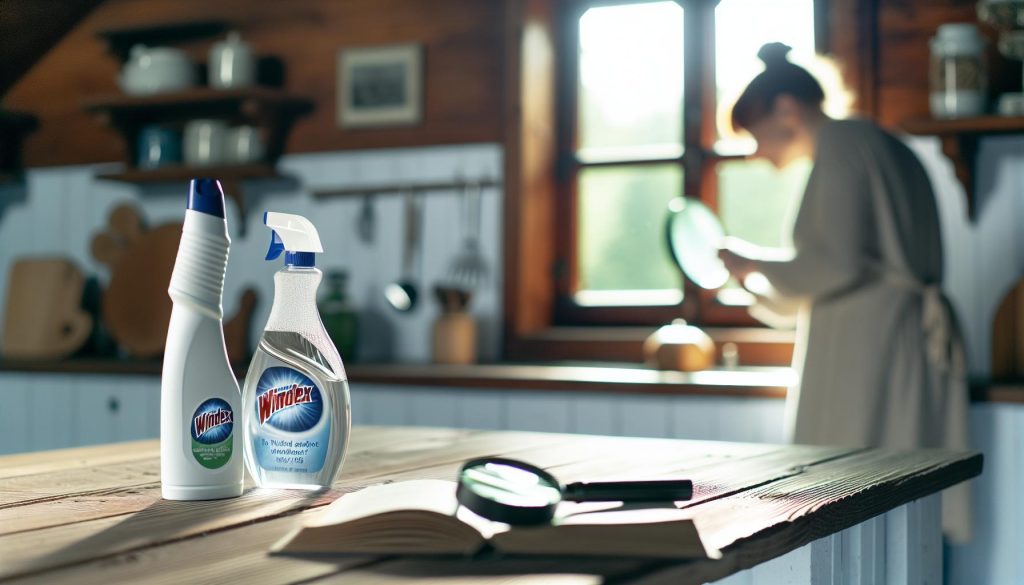
In the cozy realms of cottage living, understanding the science behind everyday products can enhance your cleaning routine and elevate the charm of your home. Have you ever wondered whether Windex is an acid or a base? This seemingly simple question can unlock a wealth of knowledge about how to effectively use it for your cleaning needs. Knowing the pH level of your household cleaners not only empowers you to make informed choices but also helps you tackle stubborn stains and maintain the beauty of your rustic abode. So, let’s dive into the fascinating world of cleaning science, unraveling the mysteries of Windex while exploring practical tips for a sparkling, welcoming home. Embrace the joy of understanding how to care for your space, and discover how the right knowledge can lead to delightful results.
Is Windex Made from Acid or Base?
Windex is a cleaning product that typically registers as a basic substance, with a pH level around 8. This mild alkalinity is due to the presence of ammonia, which is a key ingredient in many Windex formulations. Ammonia is well-known for its ability to dissolve grease and grime, making it a popular choice for a variety of cleaning tasks, from windows to kitchen surfaces. The basic nature of Windex helps it to effectively neutralize acidic stains, such as those left by food or beverages, allowing for a thorough clean.
Because of its alkaline properties, Windex can also accelerate the breakdown of certain organic materials, making it an excellent choice for cutting through tough buildups. It’s important to handle it with care due to its strong odor and potential irritation to skin and eyes. Always consider the surface you’re cleaning, as its alkalinity might not be suitable for delicate materials.
Using Windex in a well-ventilated area can enhance the cleaning experience, ensuring both efficacy and safety. Incorporating this versatile cleaner into your regular cottage cleaning routine will not only keep your spaces sparkling but also evoke the simplicity and charm of rustic living, where cleanliness meets comfort in every nook and cranny.
Understanding pH Levels in Cleaning Products
It’s fascinating to dive into the world of pH levels in cleaning products, especially in the context of cottage living where we often seek harmony within our spaces and nature. Understanding pH is crucial as it directly influences how well a cleaning product performs, especially when tackling various types of stains and surfaces. Most commonly used cleaning solutions, like Windex, fall within a specific pH range that dictates their effectiveness for different tasks.
Windex typically has a pH level around 8, classifying it as a mild base. This basic property is primarily attributed to ammonia, which not only aids in breaking down dirt and grime but also helps to neutralize acidic stains. For instance, if you spill vinegar or fruit juice-both acidic substances-Windex can help restore balance by counteracting the acidity, making clean-up easier and more effective. When choosing cleaners for your rustic home, recognizing this characteristic can guide your selection based on the types of messes you encounter.
Here’s a brief overview of pH levels in common cleaning products to help with your cleaning endeavors:
| Cleaning Product | pH Level | Typical Use |
|---|---|---|
| Windex | 8 | General purpose, glass cleaning |
| Vinegar | 2-3 | Deodorizing, removing stains |
| Baking Soda Solution | 8-9 | Deodorizing, gentle scrubbing |
In your cottage, where you cherish the simplicity of living and the beauty of well-maintained spaces, understanding how these different pH levels interact can empower you to create a cleaning routine that enhances your surroundings. Embrace these cleaning science principles, and allow them to guide you toward a more joyful, effective cleaning experience, melding the practical with the charming essence of cottage life. Take a moment during your cleaning tasks to enjoy the tranquility of your surroundings, knowing that each swipe brings you closer to a fresh and vibrant living space.
What Ingredients are in Windex?
Windex is a staple in many households, treasured for its ability to leave windows and surfaces sparkling clean. But what exactly goes into this widely used cleaner? Understanding its ingredients not only satiates curiosity but also aids in choosing the right cleaning products for your cozy home away from the hustle and bustle.
The primary ingredients in Windex include water, ammonia (which contributes to its mildly basic pH), surfactants, and cleaning agents. Ammonia, a key component, breaks down grime and grease effectively, making it particularly useful for tough jobs. This ingredient plays a critical role in its cleaning power, especially against acidic stains like those from vinegar or fruit juices, highlighting the harmony of acid-base interactions in cleaning solutions. In addition, Windex often contains colorants for aesthetic appeal and fragrance to impart a fresh scent that many find enjoyable during cleaning.
Breaking Down the Ingredients
To appreciate how Windex works, let’s delve into its main components:
- Water: Acts as the solvent, diluting the active ingredients and helping spread the cleaner across surfaces.
- Ammonia: This base is known for its effectiveness in cutting through grease and dirt, leaving surfaces gleaming.
- Surfactants: These compounds lower the surface tension of the solution, allowing it to penetrate and lift dirt more easily.
- Cleaning Agents: These enhance the cleaning efficacy by breaking down specific types of stains and residues.
- Fragrance and Colorants: While these do not contribute to cleaning power, they help create a pleasant cleaning experience.
By understanding these elements, you can recognize why Windex is so effective on glass and other surfaces, making it a beloved tool in cottage cleaning routines. Whether you’re cleaning the quaint window frames of your rustic abode or sprucing up your kitchen countertops, knowing what’s inside your cleaning products can empower you to create a serene, inviting environment where every corner radiates warmth and charm. Embrace the simplicity of these ingredients, and allow them to inspire your next cleaning session in your cozy home.
How Does Windex Work for Cleaning?
Windex shines not just as a cleaning agent but also as a perfect example of how chemistry simplifies our everyday tasks. Its effectiveness stems from the interplay of its core ingredients, most notably ammonia, which is known for its base properties. When you spray Windex onto a surface, the ammonia begins to break down the oils, dust, and grime that accumulate over time, making your chores a little easier and your home a bit brighter. The surfactants in Windex lower the surface tension of water, enabling it to spread more evenly across surfaces and to better penetrate dirt, lifting it away with ease.
One of the remarkable aspects of Windex lies in its capability to tackle stains, especially those that are acidic in nature, such as those from fruit juices or vinegar residues. When these stains meet the alkaline ammonia, a chemical reaction occurs, assisting in neutralizing and breaking them down so they can be wiped away effortlessly. Furthermore, using Windex is a delightful activity in itself: the pleasant fragrance adds a layer of joy to the task, turning what could be a mundane cleaning session into a refreshing ritual.
In a charming cottage setting, where rustic beauty flourishes, Windex can become an ally in maintaining clarity on your beloved windowpanes, allowing the outdoor scenery to burst through the glass. It serves not just as a tool for cleaning but also as a reminder of the bright, sunny moments waiting outside. Whether you’re preparing your cottage for guests or simply enjoying your own cozy space, having a reliable cleaner like Windex helps keep your home welcoming and cheerful.
As you explore the process of cleaning, remember to embrace the simple joys it brings. Each swipe with Windex can be an opportunity to take pride in the serenity and cleanliness of your cottage. So gather your supplies, enjoy the tranquil moments as you clean, and relish the gleaming results – a testament to the harmony of science and home comfort.
Comparing Windex to Other Household Cleaners
When it comes to choosing household cleaners, understanding the unique qualities of each product can enhance your cleaning routine, particularly in the cozy corners of cottage life. Windex, with its base characteristics primarily due to ammonia, stands out among a myriad of cleaning solutions due to its efficacy on glass and other surfaces. Comparing it to alternatives like vinegar, baking soda, and commercial multi-surface cleaners reveals a spectrum of approaches suited to various cleaning needs.
For instance, vinegar is a popular natural cleaner that exhibits acidic properties, making it excellent for dissolving mineral deposits and cutting through grease. However, vinegar can sometimes leave a streaky finish, especially on glass surfaces, where Windex excels thanks to its surfactants which reduce surface tension, resulting in a crystal-clear shine. On the other hand, baking soda, a gentle abrasive, pairs well with vinegar to tackle tougher grime when used in paste form, but it requires more elbow grease compared to the effortless application of Windex.
Commercial multi-surface cleaners typically aim for versatility, often incorporating both acidic and alkaline ingredients. While they can clean a variety of surfaces, they may not match Windex’s specialized glass-cleaning prowess. Many are designed for all-purpose use but might lack the dazzling shine or the sharp cleanliness that Windex provides, making the latter an essential for windows, mirrors, and even stainless steel in your quaint cottage.
Practical Tips for Cottage Cleaning
Embracing Windex as part of your cleaning kit in the cottage comes with delightful advantages:
- Speed and Efficiency: Windex’s quick-drying formula saves you time, especially important when enjoying nature between cleaning sessions.
- Multi-surface Use: While ideal for glass, Windex can also handle counters and appliances, allowing for a cohesive cleaning experience.
- Aroma: Its pleasant fragrance adds a refreshing touch to routine tasks, transforming cleaning into a sensory experience in your rustic retreat.
Incorporating different cleaning products effectively can make your cleaning routine more enjoyable and efficient while preserving the charming ambiance of your cottage. The key is to select the right tool for the right job, celebrating each product’s strengths while enjoying a home that reflects both comfort and creativity.
Safe Uses for Windex in the Cottage
In the quaint charm of cottage life, keeping your home gleaming and inviting is a delight, and Windex emerges as a glowing ally in your cleaning arsenal. This versatile cleaner, with its base properties primarily from ammonia, transcends mere glass cleaning. From sparkling windows that frame your picturesque views to buffed countertops that reflect the warmth of your rustic decor, Windex helps maintain the cozy atmosphere of cottage living.
Utilizing Windex safely means recognizing its strengths while honoring the unique materials of your cottage. For instance, use it on windows and mirrors to achieve a streak-free shine that enhances natural light and highlights the beautiful scenery outside. When cleaning stainless steel appliances, a quick spray of Windex followed by a soft cloth can banish fingerprints while preserving the integrity of your appliances. For outdoor furniture, a light mist can refresh surfaces after a long winter, making your space welcoming for friendly gatherings or quiet evenings.
Beyond its conventional uses, this cleaning marvel can tackle smudges and spills on various surfaces, including laminate and certain types of painted wood. However, a gentle approach is advisable; always test a small, inconspicuous area first, particularly on painted surfaces or antiques. Windex’s fast-drying formula also ensures that cleaning won’t hold you back from enjoying idyllic moments in your hidden sanctuary. Quick touches can be done during your cozy mornings or serene evenings, allowing you to savor both the beauty of your space and the connection to nature around you.
As you embrace the simple joys of cottage living, let Windex be a trusted companion in your cleaning journey, helping to create an inviting home that resonates with comfort, creativity, and the shared warmth of community.
Innovative Ways to Use Windex Beyond Cleaning
Windex isn’t just for cleaning surfaces; it holds surprising potential for a range of innovative uses around your cozy cottage. This base cleaning marvel, primarily comprised of ammonia, can bring fresh solutions to everyday problems, enhancing both functionality and aesthetic appeal in your home. Whether it’s about preserving the rustic charm or tackling unexpected messes, Windex can serve as your trusty ally.
One delightful way to integrate Windex into your cottage lifestyle is by using it to declutter and organize. A quick spray can rejuvenate the insides of cabinets and shelves. As you refresh your dishware and natural wood accents, consider using a soft cloth dipped lightly in Windex to polish that lovely farmhouse table or decorative wooden beams, lifting away dust while highlighting the handcrafted beauty of your space. You’ll be amazed at how a little shine can make your charm-filled home feel even more inviting.
In addition to its cleaning prowess, Windex can help maintain a cozy ambiance. For example, a light mist applied to fabrics, like curtains or cushion covers, can help freshen them up-just be sure to check the tags for fabric compatibility. Likewise, using Windex on mirrors and glass fixtures creates a sparkling effect that reflects soft cottage light, adding warmth and brightness throughout your space. This simple enhancement can elevate your beloved nook, making it feel even more like a serene retreat.
Moreover, beyond conventional uses, think about those moments when nature plays tricks, like muddy footprints after a rainy stroll. A quick spray on hard surfaces and a swift wipe down can restore order in an instant. Consider creating a unique home cleansing kit by combining Windex with other natural ingredients, like vinegar, allowing you to explore its versatility even further while fitting in with your rustic decor sensibilities.
As you savor every corner of your delightful cottage, let Windex inspire you to explore its many possibilities. Embrace its practical magic and elevate your daily routines, allowing each cleaning session to be a step toward nurturing comfort, creativity, and community within your cherished home.
Understanding the Environmental Impact of Windex
Understanding the impact of cleaning products like Windex on our environment is essential for making informed decisions in our eco-conscious lifestyles. Windex, a well-known glass cleaner, is typically formulated with ammonia, which plays a vital role in its effectiveness by breaking down grime and providing that streak-free shine we cherish. However, the use of ammonia and other chemical ingredients raises important questions about their effects on our planet and health.
When considering the environmental footprint of Windex, it’s helpful to note that the chemicals present in many commercial cleaners can contribute to air and water pollution. The production of these cleaning agents often involves processes that emit harmful substances. For instance, ammonia vapors can contribute to respiratory issues and may harm small animals and plant life when released into the environment. Moreover, improper disposal of such products can contaminate water sources, affecting both wildlife and human populations.
To find a balance between maintaining our cozy cottages and being stewards of the environment, many choose to explore eco-friendly alternatives to iconic products like Windex. Simple ingredients like vinegar, baking soda, and essential oils can be used to create effective cleaning solutions that are gentle on the planet. Embracing these natural choices not only aligns with a rustic lifestyle but also minimizes chemical exposure, making your home a safe haven for both your family and the environment.
Incorporating DIY cleaning solutions is a delightful way to harmonize cottage aesthetics with eco-conscious practices. Picture this: crafting a simple window cleaner from equal parts water and vinegar, perhaps in a charming glass spray bottle that enhances your decor while being kind to nature. As we shift towards sustainable cleaning habits, we nurture our connection to the earth, embracing the spirit of cottage living that celebrates simplicity, creativity, and the beauty of handcrafted solutions. Take joy in the little things, knowing that each mindful choice contributes to the health of your home and the world around it.
DIY Alternatives to Windex for Eco-Friendly Cleaning
Crafting your own cleaning solutions not only fosters a sustainable lifestyle but also embraces the essence of cottage living – simplicity, creativity, and a deep connection to nature. The beauty of DIY alternatives is that they can be made from ingredients you likely already have at home, turning the mundane task of cleaning into an enjoyable activity that nurtures both your space and the planet. Here are some delightful recipes to inspire your eco-friendly cleaning journey.
One of the simplest and most effective DIY alternatives to Windex is a vinegar-based solution. Vinegar is a natural disinfectant and cuts through grease effortlessly. To create your window cleaner, mix equal parts of white vinegar and water in a spray bottle. For an added touch of fragrance, infuse the mixture with a few drops of essential oil, such as lemon or lavender. This brightens your cleaning routine and adds a lovely scent to your refreshed cottage ambiance.
Another charming concoction is baking soda and water paste. Baking soda not only absorbs odors but also works wonders on tough stains. Combine a few tablespoons of baking soda with just enough water to create a paste. Use this to scrub surfaces like countertops or stovetops, and rinse thoroughly afterward. It’s a simple yet effective art of cleaning that aligns perfectly with the rustic ethos.
Emphasizing natural cleaning not only preserves your indoor environment but also reflects a holistic approach to maintenance within your cottage. Consider whipping up a batch of castile soap mixed with water; it’s gentle, effective, and safe for various surfaces. This soap can be adjusted in strength depending on where you use it – a little more concentrated for the kitchen and diluted for delicate surfaces to keep them sparkling without fear of damage.
Taking these steps to use everyday ingredients in your cleaning regimen not only reduces reliance on harsh chemicals but also invites a sense of mindfulness into your home. As you dust and buff, take in the sights and scents of your natural cleaning solutions, celebrating the little joys of cottage life and the care you put into maintaining a space that resonates with warmth and charm. The transition to eco-friendly alternatives is not merely about cleaning; it’s a lifestyle shift that echoes the cozy, handcrafted beauty we cherish in our cottages.
Common Misconceptions About Windex Properties
Many people believe that Windex, that familiar blue cleaner sparkling on kitchen counters, is a magical potion capable of tackling any mess. However, misconceptions abound about its composition and uses, often leading to confusion for the eco-conscious housekeeper. One of the most common assumptions is that Windex is either an acidic or a highly alkaline solution, but in reality, it is classified as a neutral cleaner with a pH level typically around 7 to 8. This means it is formulated to be safe for a variety of surfaces while effectively dissolving grime without the harsh effects that strong acids or bases can have.
Another prevalent belief is that Windex is solely a glass cleaner. While it excels at leaving windows streak-free, its multifunctional nature means it can be used on a diverse range of surfaces, including countertops, appliances, and even as a spot cleaner for fabrics in emergencies. Those who embrace the rustic cottage lifestyle may enjoy leveraging Windex’s versatility not just for shine but also as a quick deep-cleaning ally for everyday spills and splatters without fear of surface damage.
Conversely, there’s a notion that Windex is harmful to the environment, leading many to shy away from using it in favor of 100% natural alternatives. While it’s true that Windex contains synthetic chemicals, recent formulations have focused on minimizing environmental impact by adhering to stricter regulations on volatile organic compounds (VOCs). This improved formulation reflects a shift towards conscious cleaning, allowing you to maintain a sparkling cottage while being mindful of the planet’s health.
Lastly, many might think that Windex is the perfect fix for all types of stains. However, it’s essential to remember that certain stains, like grease or heavy-duty soil, might require more specialized cleaners or DIY concoctions, such as a baking soda paste. As cottage dwellers, we can celebrate the joys of cleaning by creatively combining Windex with eco-friendly practices, finding our home’s unique balance between effective cleaning and environmental stewardship. In this cozy journey, we can embrace knowledge as our tool, ensuring our spaces not only shine but also reflect the warmth and character of our beloved homes.
The Science Behind Household Cleanliness
In the realm of cleaning, understanding the science behind the products we use adds another layer of effectiveness and safety to our cleaning routines. Windex, often seen as a trusty companion in our kitchens and cottages, emerges as a fascinating example of how chemistry plays a role in our everyday lives. With a neutral pH level typically ranging from 7 to 8, Windex is formulated to be gentle yet effective, making it perfectly suited for a variety of surfaces from glass to countertops, without the harsh impacts associated with more alkaline or acidic cleaners.
The science behind Windex embodies the principles of surfactants-molecules that enhance the cleaning process. These surfactants lower the surface tension of water, allowing it to spread more easily and penetrate grime and dirt. In your rustic cottage, this means that when you spritz Windex on your windows or tables, it can emulsify oils and lift away stubborn stains effectively. Plus, its quick-drying formulation lets you enjoy that streak-free shine without waiting long for surfaces to dry, fitting seamlessly into your busy, cozy lifestyle.
Exploring innovative uses of Windex can further enhance your cleaning game. For instance, applying it to your bathroom fixtures not only leaves them sparkling but also helps prevent soap scum buildup. Additionally, consider using it to freshen up your appliances or even as a quick solution for minor fabric stains. Just remember to test on a small, inconspicuous area first to ensure compatibility with the material.
Moreover, as you embrace the cottage life, having an awareness of how to safely handle and store your cleaning products can maintain both your health and the environment. Always keep Windex in its original container, clearly labeled, and out of reach of children and pets to prevent any accidental exposure. By celebrating the moments of cleaning as not just chores, but as part of the creative fabric of your home, you can foster a loving, inviting atmosphere that reflects the warmth and character inherent in cottage living.
Tips for Safe Handling and Storage of Windex
To foster a warm and inviting atmosphere in your cozy cottage, understanding how to safely handle and store cleaning products like Windex is essential. This cleaner, favored for its effectiveness in producing streak-free surfaces, should be treated with care to maintain both your home’s integrity and your family’s safety.
First and foremost, always keep Windex in its original container. This ensures that the important safety information and usage instructions remain intact and easy to reference. You’ll want to store it in a cool, dry place, away from direct sunlight, which can affect its formulation over time. A dedicated cleaning supply cabinet out of reach of children and pets is an ideal spot. This not only keeps your cottage tidy but also provides peace of mind knowing that curious hands can’t easily access it.
When using Windex, it’s important to apply it responsibly. Avoid spraying it directly onto sensitive surfaces, such as unsealed wood or fabrics, to prevent any potential damage. Instead, consider spraying it onto a cloth first, allowing for more controlled application. Additionally, make it a habit to read the label for specific precautions related to surface compatibility and recommended usage tips.
Moreover, think about the environment surrounding your cleaning practices. When disposing of any leftover cleaner, follow your local regulations regarding hazardous waste. Sharing tips with neighbors about safe cleaning practices can also strengthen community ties, reminding us that we are all stewards of our spaces. Embracing these safe handling and storage practices reflects not just a commitment to cleanliness but a deeper respect for the home and the comfort it provides.
Faq
Q: Is Windex considered an acid or a base?
A: Windex is primarily a base. Its pH level is typically around 9 to 11, indicating it is alkaline. This alkaline nature helps it effectively cut through grease and grime, making it a popular choice for cleaning surfaces.
Q: What is the pH level of Windex?
A: The pH level of Windex is usually between 9 and 11. This means it is on the alkaline side of the pH scale, which aids in breaking down tough stains and residues during cleaning.
Q: Can Windex be used on all surfaces?
A: While Windex is versatile, it is not suitable for all surfaces. Avoid using it on natural stone, certain plastics, or painted surfaces as it may damage them. Always test on a small area first.
Q: What ingredients in Windex contribute to its cleaning power?
A: Windex contains a combination of ammonia, surfactants, and solvents. Ammonia is a key ingredient that provides its strong cleaning capabilities, helping to dissolve dirt and grime effectively.
Q: Is Windex harmful to the environment?
A: Windex can pose environmental risks due to its chemical composition. While it is effective for cleaning, it’s best to use it in well-ventilated areas and consider eco-friendly alternatives when possible.
Q: How can I safely store Windex at home?
A: Store Windex in its original container, away from heat sources and direct sunlight. Keep it out of reach of children and pets to ensure safety.
Q: Are there any safe alternatives to Windex?
A: Yes, options like vinegar and baking soda can serve as effective, eco-friendly cleaning alternatives to Windex. They can clean glass and surfaces without harmful chemicals.
Q: How does Windex help with stain removal?
A: Windex works for stain removal due to its ammonia content, which breaks down proteins and oils in stains, making them easier to wipe away. For optimal results, spray, wait a moment, then wipe with a clean cloth.
Closing Remarks
Now that you know whether Windex is an acid or a base, you’re equipped to make more informed choices about your cleaning supplies. Understanding the science behind these products enhances your cleaning routine while ensuring a safe and effective home environment. Don’t miss out on unlocking further tips on maintaining a cozy cottage through our guides on DIY decor projects and seasonal gardening practices.
If you’re curious about other household products or have questions on cottage cleaning science, explore our extensive resources or subscribe to our newsletter for fresh ideas delivered right to your inbox. Remember, every small step you take towards better cleaning habits contributes to a healthier, happier home. Share your thoughts or experiences in the comments below; your insights might just inspire someone else in our cottage community! Let’s continue this journey towards rustic charm and comfort together!