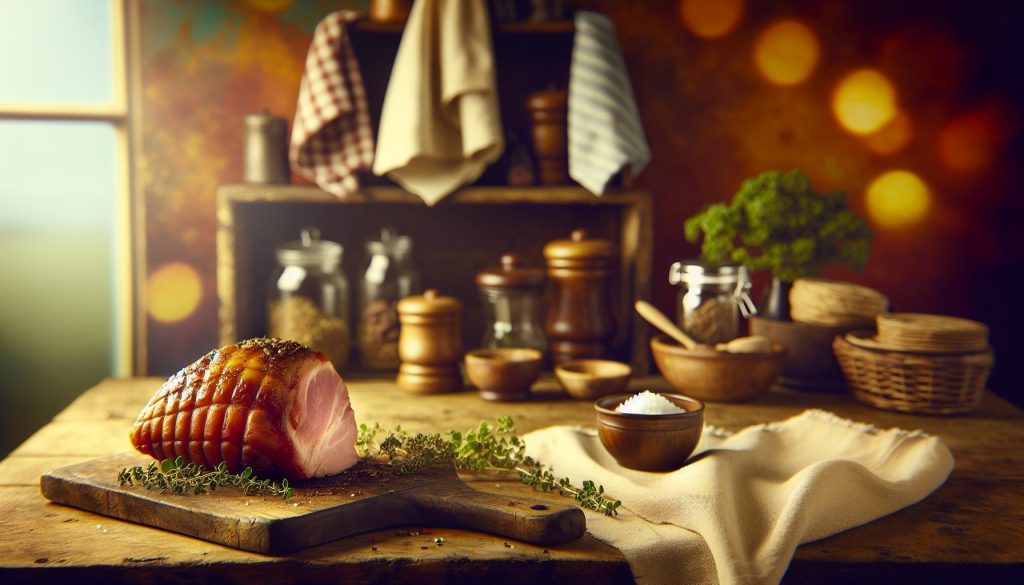
Cottage ham is more than just a hearty cut of meat; it’s a quintessential farmhouse staple that speaks to the comforts of rustic living. Known for its inviting flavors and versatility, this economical choice often finds its way into family gatherings and cozy meals, nourishing both body and soul. With the growing interest in sustainable, home-cooked meals, understanding how to prepare and enjoy cottage ham allows you to embrace a slower, more meaningful approach to cooking. Not only does it provide a rich bonding experience at the dinner table, but it also invites creativity in meal prep, from traditional pairings with seasonal vegetables to innovative recipes that delight the senses. Join us as we dive into the world of cottage ham, exploring its history, cooking techniques, and the warmth it brings to your farmhouse kitchen.
What Is Cottage Ham and Its Origins
Cottage ham, a charming and often underappreciated culinary delight, stems from a long tradition of farmhouse cooking that emphasizes simplicity and flavor. Originating primarily in the Midwest and Southern United States, this unique cut of meat is derived from the shoulder of the hog, which is cured and smoked to create a tender, flavorful dish. Unlike conventional ham, which typically originates from the hind leg, cottage ham offers a distinctive texture and taste, making it a wonderful option for hearty family meals.
Much of its charm can be traced back to the early days of American cooking, where farmers sought to conserve and utilize every part of the pig. This resourcefulness led to the creation of cottage ham, often cooked alongside seasonal vegetables and served in a communal fashion, reflecting the values of togetherness and comfort that are at the heart of farmhouse dining. The curing process traditionally involved a mix of salt and sugar, contributing to its signature sweet and savory profile, further enriched by the smoking techniques that imbue it with a rustic flavor reminiscent of simpler times.
Embracing cottage ham in modern cooking not only honors this rich history but also offers a connection to a cozy, rustic lifestyle. Whether served in a traditional one-pot meal with potatoes and green beans or in contemporary recipes that showcase its versatility, cottage ham invites home cooks to celebrate the simple pleasures of farm-to-table living. It embodies a cultural significance that showcases the importance of community, craftsmanship, and the joy of sharing good food with loved ones.
The Unique Flavor Profile of Cottage Ham

The soulful essence of cottage ham captures the heart of farmhouse cooking, delivering a unique flavor profile that reflects both rustic simplicity and deep-rooted culinary traditions. This delightful cut of meat is characterized by a balanced blend of sweetness and savoriness, thanks to its curing process, which typically involves a harmonious mix of salt and brown sugar. This age-old technique not only preserves the meat but also enhances its natural flavors, creating the tender, moist texture that cottage ham aficionados cherish.
When baked or slow-cooked, the flavors of cottage ham deepen beautifully, developing a rich, smoky undertone from the hickory or applewood used in the smoking process. The result is a succulent dish that pairs wonderfully with a variety of sides, enriching every bite with a comforting familiarity. The sweet glaze from the sugar often caramelizes during cooking, creating a delicious crust on the outside while locking in the juicy goodness within.
For those looking to explore its versatility, cottage ham is as adaptable as it is flavorful. It can shine in traditional one-pot meals with root vegetables or stand out in modern recipes, such as sandwiches or charcuterie boards. This robust meat complements hearty flavors, making it a perfect match for earthy potatoes, bright green beans, or even a tangy mustard sauce. Whether enjoyed in a communal setting or as a cozy weeknight dinner, cottage ham brings a heartwarming touch that invites connection and joyous gatherings around the table.
Incorporating cottage ham into your culinary repertoire not only honors a time-honored tradition but also infuses your meals with a sense of place and purpose, celebrating the simple joys of nourishing both body and soul. As you savor its rich flavors, remember that every bite tells a story of generations past, where the love of good food and community flourished amidst the rustic charm of farmhouse living.
How to Serve Cottage Ham: Delicious Pairings
Cottage ham is more than just a delicious centerpiece; it’s a versatile star that can elevate your meals and gatherings. Whether served as a hearty main dish during a special family celebration or featured prominently on a rustic charcuterie board, it pairs beautifully with a variety of complementary flavors and accompaniments. The natural sweetness of cottage ham, intensified by its unique curing process, invites a delightful pairing experience that reflects the charm of farmhouse cooking.
To truly savor the cozy, homemade essence of cottage ham, consider pairing it with earthy vegetables and traditional sides. Creamy mashed potatoes, sautéed green beans with a touch of garlic, or roasted root vegetables-think carrots and parsnips-provide an earthy balance that complements the ham’s savory notes splendidly. For a touch of sweetness, glazed carrots or a fruit chutney can also enhance the dish, creating a symphony of flavors on your plate.
If you’re looking to impress your guests with a charming rustic spread, cottage ham breaks beautifully on a charcuterie board. Add in slices of cheese-sharp cheddar or creamy brie-and an assortment of pickles, olives, and seasonal fruits like figs or apple slices. A dollop of grainy mustard or homemade honey glaze can add an extra layer of sophistication, perfect for casual gatherings or family reunions alike.
For a light yet satisfying meal, consider serving cottage ham with a vibrant salad. A fresh coleslaw with a tangy vinaigrette, or a simple arugula salad with walnuts and pears, adds a refreshing crunch that cuts through the richness of the ham. These combinations not only enhance the dining experience but also resonate with the love of nature and simplicity inherent in cottage living, making every bite a celebration of rustic charm.
Cottage Ham vs. Other Hams: Key Differences
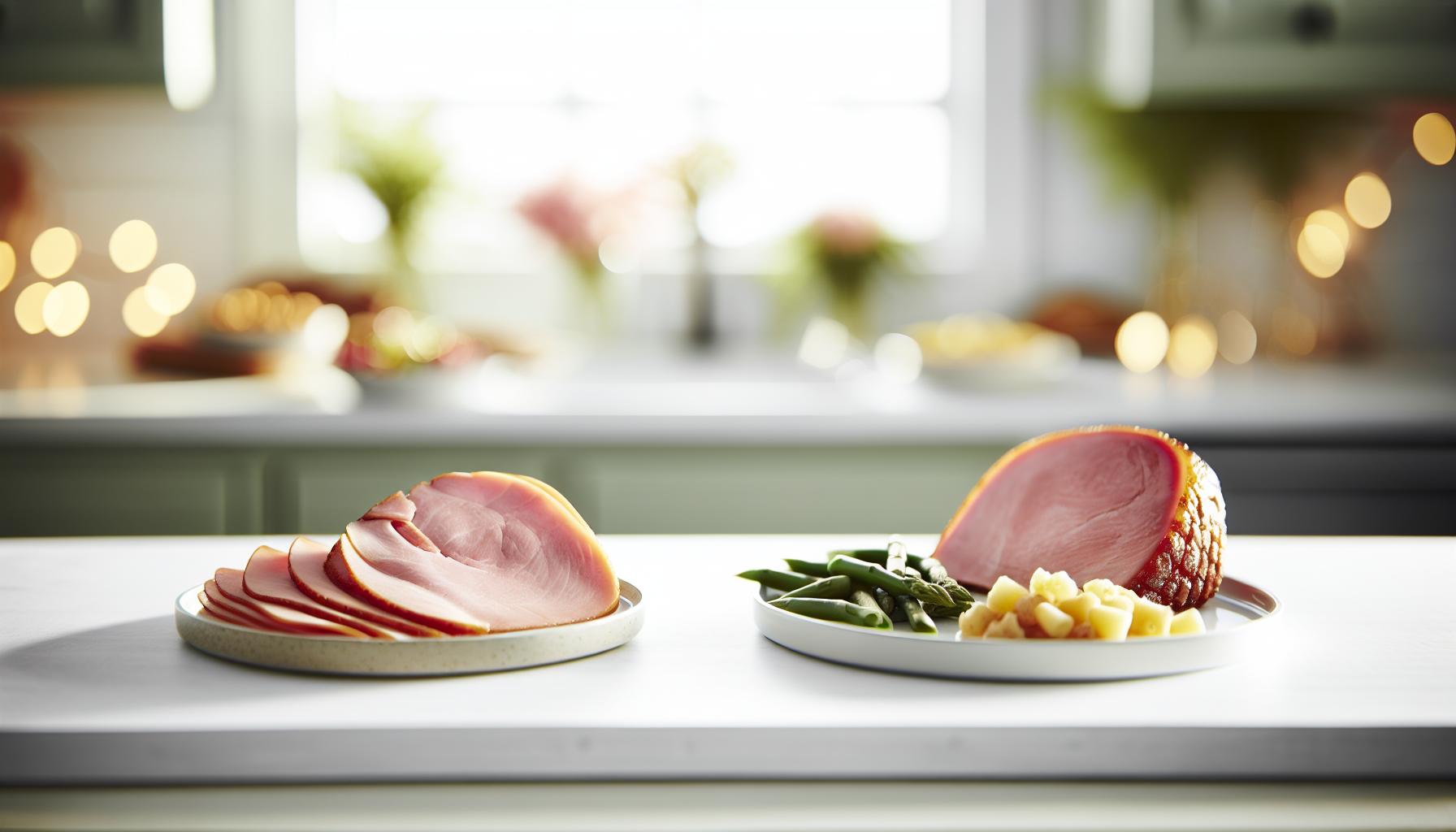
Cottage ham holds a distinct place in the world of cured meats, characterized by its unique preparation and flavor profile. Unlike its more commonly known relatives such as city ham or country ham, which are often derived from the hindquarters of the pig, cottage ham originates from the shoulder region. This difference in cut not only influences the texture but also impacts the flavor. Cottage ham is generally moister and has a softer bite, making it a cozy choice for home-cooked meals and gatherings.
When exploring cottage ham’s contrasts with other varieties, it’s important to note the curing process. Traditional city hams, for instance, undergo a wet curing method, resulting in a saltier flavor profile and firmer texture. Country hams, on the other hand, are dry-cured and aged, leading to a deep, robust flavor that can be quite intense for some palates. In contrast, cottage ham usually features a sweet, balanced flavor, often enhanced by a mix of sugar and spices during its curing process. This makes it incredibly versatile, seamlessly fitting into both sweet and savory dishes.
Additionally, the way cottage ham is cooked sets it apart. It is often simmered or roasted, allowing the flavors to meld with accompanying ingredients like cabbage, potatoes, and carrots, reminiscent of farmhouse kitchens where meals come together from fresh, local produce. The ease of preparation invites families to gather around the table, fostering memories that evoke the heartwarming charm of cottage living.
In summary, cottage ham stands out as a comforting staple within the ham spectrum. Its unique cut, delightful sweetness, and community-centric preparation make it a beloved choice for those seeking the essence of rustic, homemade meals. By embracing cottage ham, one not only enjoys a delectable dish but also taps into the cherished traditions of farmhouse cooking, creating a connection that’s kindred to the heart of the home.
Healthy Cooking Ideas with Cottage Ham

Cottage ham, with its tender bite and slightly sweet flavor, opens up a delightful array of healthy cooking possibilities that can transform any meal into a nourishing feast. Not only does this versatile meat provide a savory addition to your table, but its inherent qualities make it an excellent foundation for a variety of wholesome recipes. By pairing cottage ham with an assortment of colorful vegetables and wholesome grains, you can create dishes that are not only satisfying but also loaded with nutrients.
One idea is to incorporate cottage ham into hearty vegetable stir-fries. Start by sautéing seasonal vegetables like bell peppers, zucchini, and broccoli in a touch of olive oil. Once they’re tender, add in diced cottage ham for a protein boost. This dish can be served over a bed of quinoa or brown rice, offering fiber and additional vitamins to your meal. The sweet and salty notes of the ham meld beautifully with the freshness of the vegetables, creating a dish that’s both delicious and nutritionally balanced.
Another healthy option is creating a cottage ham and bean salad. By mixing sliced cottage ham with fresh greens, cherry tomatoes, cucumbers, and a hearty bean variety-such as black beans or chickpeas-you’ll be crafting a meal that’s rich in protein and fiber. Drizzle with a light vinaigrette made of lemon juice and mustard for a refreshing twist. This kind of salad not only showcases the ham’s flavorful characteristics but also highlights the abundance of vegetables, encouraging a creative approach to wholesome cooking.
For breakfast, consider incorporating cottage ham into a frittata packed with spinach, tomatoes, and feta cheese. Simply whisk together eggs and pour them over the sautéed vegetables and ham in a skillet, then bake until fluffy. This dish is a perfect way to start the day, providing a delicious source of protein and the essential vitamins found in the veggies. Plus, it embodies the spirit of cottage living by allowing you to use up leftover ham and veggies in a mindful, delicious manner.
Embracing cottage ham in your health-focused dishes doesn’t just make for tasty meals; it also fosters a wholesome dining environment that mirrors the charms of farmhouse cooking. Celebrating rustic flavors and simple ingredients can remind us of the joy found in gathering around the table, where nourishing food brings loved ones together.
Storing and Preserving Cottage Ham Properly
Maintaining the freshness and flavor of cottage ham is essential for enjoying its delightful taste in various dishes. Proper storage techniques can help preserve its quality and ensure that it remains a delightful staple in your farmhouse kitchen. To begin with, if you have bought a whole cottage ham, it’s best to keep it refrigerated. Wrap it securely in plastic wrap or aluminum foil, and store it in the coldest part of your refrigerator to prevent moisture loss.
For leftover cottage ham, slice what you need and keep the rest whole to maximize freshness. Place the slices in an airtight container, ensuring they are well-covered to minimize air exposure, which can lead to drying. If you’re planning to store it for more extended periods, freezing is an excellent option. Wrap the ham tightly in plastic wrap or freezer-safe bags, pushing out as much air as possible before sealing. This method can help maintain the ham’s flavors for up to three months in the freezer.
When it comes time to use the frozen cottage ham, it’s essential to thaw it safely. The best method is to transfer it to the refrigerator the night before you plan to cook with it. This gentle thawing will preserve its texture and flavor. If you’re in a hurry, you can also use the defrost setting on your microwave, although this may slightly alter the ham’s quality.
Key Tips for Storing Cottage Ham
- Refrigerate promptly: Store in the coldest part of the fridge immediately after purchase.
- Use airtight containers: For leftovers, use airtight containers to minimize air exposure.
- Freeze for long-term use: Wrap tightly and freeze for up to three months.
- Thaw safely: Thaw in the refrigerator or use microwave settings for last-minute needs.
Embracing these simple yet effective storage techniques not only helps preserve your cottage ham but also embodies the spirit of cottage living-maximizing resources while savoring the comforting flavors of homemade meals. By ensuring that your cottage ham stays fresh and flavorful, you can create warm memories around the table, sharing nourishing dishes with family and friends that celebrate a slower, more mindful way of life.
Easy Cottage Ham Recipes for Every Meal
Cottage ham serves as a versatile ingredient that can elevate everyday meals with its rich, savory flavor, harkening back to the charm of farmhouse kitchens. From breakfast to dinner, there are countless ways to incorporate this delightful ham into your culinary repertoire, allowing you to create dishes that evoke a sense of warmth and togetherness at the table. Whether you’re preparing a hearty brunch or a casual dinner, cottage ham can be the star or a delightful supporting player in your meals.
To start your day on a comforting note, consider crafting a Cottage Ham and Cheese Breakfast Bake. Layer cubes of bread, diced cottage ham, and your choice of cheese in a baking dish, then pour a mixture of beaten eggs and milk over the top. Bake until golden and set for a warm, satisfying breakfast that your family will love. For a mid-day treat, why not whip up a Ham and Veggie Quiche? This dish allows you to blend fresh seasonal vegetables with cottage ham and creamy custard for a delightful meal that’s both nutritious and flavorful.
When lunchtime rolls around, Cottage Ham Sandwiches are a classic choice. Use rustic bread or rolls to build hearty sandwiches with slices of ham, crisp greens, and a smear of mustard or aioli for added zest. Pair these with a homemade potato salad, and you’ve got a simple yet satisfying lunch. In the evening, consider a comforting Cottage Ham and Pea Risotto. The creaminess of the risotto complements the saltiness of the ham beautifully, making it a perfect dish for family dinners.
For dessert, finish your meal on a sweet note with Homemade Biscuits and Gravy featuring scrambled eggs and crisp bits of cottage ham mixed into the gravy. This old-fashioned dish brings an element of nostalgia to the table, inviting memories of family gatherings and cherished recipes passed down through generations.
Incorporating cottage ham into your meals doesn’t just enhance flavor; it also reflects the heartfelt simplicity of cottage living. Embrace the opportunity to gather around the table with loved ones, enjoying the rich tastes of homemade meals crafted with care. Each bite of cottage ham offers a glimpse into the heart of farm-fresh cooking, reminding us of the beauty found in both community and culinary traditions.
Cottage Ham in Farmhouse Cooking Traditions
In the heart of American farmhouse cooking, cottage ham is a cherished ingredient steeped in rich traditions. This distinctive form of ham, originating from the simple, rustic kitchens of the Midwest, embodies the essence of homemade meals crafted with love and care. Traditionally, cottage ham is made from pork butt that is salt and sugar cured, then hickory wood smoked, resulting in a flavorful product that reflects the time-honored methods of preserving and enhancing the natural flavors of the meat. As families gathered around their tables, cottage ham became a staple, not just for its taste but also for its versatility, making it an ideal choice for a myriad of delicious dishes.
Whether it’s served alongside seasonal vegetables in a hearty stew or transformed into a delightful breakfast bake, cottage ham lends itself to an array of comforting recipes that evoke the warm memories of farmhouse life. It’s common to find it paired with ingredients that were readily available on the homestead, such as cabbage, potatoes, and beans. The appeal of cottage ham lies in its ability to elevate even the simplest of meals, grounding them in tradition and the nourishing spirit of communal dining. Here are some popular ways cottage ham is incorporated into farmhouse cooking:
- Cottage Ham and Cabbage: A classic dish that showcases the ham’s smoky flavor and pairs beautifully with the sweetness of cooked cabbage.
- Cottage Ham Pot Pie: A hearty comfort food that combines leftover ham with a medley of veggies, enveloped in a flaky crust.
- Ham-and-Bean Soup: A cozy bowl of soup that warms the soul during chilly days, bringing together cottage ham, beans, and savory spices.
Farmhouse cooking traditions often celebrate elements of resourcefulness and creativity, making the most of what the land provides. Cottage ham exemplifies this spirit, as it was often utilized in dishes that could stretch a meal further while maintaining delicious flavors. The methods of preparing and preserving cottage ham have been passed down through generations, symbolizing more than just a culinary practice; they represent the emotional connections forged around the family table.
As home cooks embrace farmhouse cooking, integrating cottage ham into their meals can also be an invitation to slow down and enjoy the simple pleasures of food preparation. It’s about gathering with loved ones, sharing stories, and creating dishes that honor the past while nourishing the present. Whether you’re adapting a cherished family recipe or experimenting with new flavor combinations, cottage ham remains a steadfast companion in the timeless tradition of farmhouse cooking.
Tips for Choosing Quality Cottage Ham
Choosing the right cottage ham can elevate your meals from ordinary to extraordinary, infusing your dishes with deep, smoky flavors reminiscent of cozy farmhouse kitchens filled with laughter and warmth. To ensure you select the best quality cottage ham for your next family gathering or rustic feast, keep these helpful tips in mind:
When shopping, start by examining the label closely. Look for cottage ham made from pork shoulder or butt; these cuts are known for their rich flavor and tenderness. Ideally, the meat should be minimally processed, with natural ingredients. Pay attention to the curing method as well-tradition calls for salt and sugar curing followed by smoking, often with hickory. This method enhances the meat’s natural flavors while imparting a beloved smokiness that complements many dishes.
Next, consider the appearance. Quality cottage ham typically has a uniform, light pink color with well-defined marbling, which signifies a juicy piece of meat. Avoid options that appear overly fatty or have excessive gristle, as these may lead to an unsatisfactory eating experience. If you have the opportunity, ask the butcher about the source of the ham; supporting local farms can lead you to fresher, tastier cuts, and you get the added bonus of fostering community connections.
Storage and Preparation Tips
After selecting your perfect cottage ham, proper storage is key. Keep it refrigerated and consume it within a week after opening, or freeze any leftovers for future cozy meals. When it comes to preparation, a slow cooking method-whether braising, roasting, or simmering-will yield the most tender and flavorful results. Transform your cottage ham into a centerpiece dish that warms the heart, whether it’s served with seasoned vegetables, in a comforting soup, or nestled in a flaky pie crust.
Embracing the simple joys of cottage ham not only nourishes the body but also gives us a chance to connect with the traditions of farmhouse cooking. By choosing quality over quantity and focusing on local, artisanal products, you bring the spirit of community and togetherness to your table, forging connections not just through food but through shared experiences and cherished memories.
Stunning Cottage Ham Presentation Ideas
In any farmhouse kitchen, presenting cottage ham can transform a simple meal into a stunning centerpiece that reflects warmth and comfort. The key to a breathtaking display lies not just in the preparation but also in how you present this delicious dish on the table. Begin with a rustic wooden cutting board as your base; its natural texture will complement the ham beautifully. When serving, consider slicing the cottage ham into generous, inviting pieces that showcase its delightful marbling and rich color.
Creative Garnishes and Accompaniments
Surround your cottage ham with a colorful array of seasonal vegetables, fruits, or herbs. Think roasted root vegetables, such as carrots and parsnips, alongside sprigs of rosemary or thyme for that garden-fresh touch. Adding a handful of tangy pickles or a vibrant fruit chutney not only provides a burst of flavor but also creates an attractive visual contrast that elevates the dish.
For an even more delightful presentation, serve cottage ham on a platter adorned with edible flowers from your garden. Nasturtiums or pansies can add splashes of color, creating an earthy and inviting atmosphere. Consider complementing the ham with accompanying dishes like homemade cornbread or a creamy potato casserole, artistically arranged to enhance the rustic theme.
Utilizing Baskets and Vintage Dishware
Embrace the charm of farmhouse aesthetics by using beautifully woven baskets or vintage dishware for a unique twist. Place the cottage ham in a decorative basket lined with checked linen, perhaps adding a little jar of honey or a small bowl of mustard on the side for guests to enjoy. These personal touches not only showcase your creativity but also foster a sense of belonging and warmth that embodies cozy cottage living.
As you gather around the table, take a moment to appreciate how these simple presentation ideas can create an engaging dining experience. Making meal times special through thoughtful details transforms mere food into cherished moments of connection and celebration. Embrace the spirit of community by sharing stories around the table, further enriched by the lovingly presented cottage ham.
Exploring Cottage Ham’s Cultural Significance
Cottage ham is not just a meal; it embodies a tapestry of cultural traditions that connect generations and foster community. Originating in rural areas, this comforting dish is often associated with hearty, home-cooked meals that bring families together, especially during seasonal celebrations and gatherings. From the quaint farmhouse kitchens that prepare it to the bustling dining tables where it is shared, cottage ham serves as a symbol of hospitality and togetherness, representing a lifestyle that appreciates the beauty of simplicity.
In many cultures, the preparation of meals like cottage ham involves techniques passed down through generations. Families gather to share recipes, stories, and techniques, reinforcing bonds that exist within community kitchens. The dish often serves as the centerpiece for Sunday dinners or holiday feasts, where it is accompanied by seasonal vegetables and homemade bread. This shared experience enriches the cultural fabric and enhances the ties between community members. It’s more than just nourishment; it’s a celebration of roots, home, and the stories etched into every ingredient.
In addition to its role in family traditions, cottage ham enjoys a place in local festivals and events that highlight rural farming practices. Many regions host harvest festivals or food fairs, where cottage ham is a featured attraction, celebrating local culinary heritages. This not only promotes local produce and meats but also acts as a reminder of the importance of sustainable practices and community support in agriculture. As villagers gather to enjoy this dish, they share a collective pride in their farming traditions, weaving together the past and present.
Ultimately, the cultural significance of cottage ham lies in the way it brings people together, fosters meaningful connections, and celebrates rustic living. Embracing this dish is a step toward honoring the enduring values of family, community, and the comfort found in home-cooked meals. As you savor each bite, remember that you are partaking in a rich legacy that spans across time, reaffirming the love and creativity that define cozy cottage living.
Cottage Ham: Modern Takes on a Classic Staple
Cottage ham, a beloved staple in farmhouse kitchens, is undergoing a delightful renaissance in modern cooking. This hearty cut of meat, often considered a Midwestern treasure, lends itself to a variety of innovative preparations that honor its rustic roots while appealing to contemporary tastes. Exploring new recipes and serving ideas not only reinvigorates this classic dish but also invites a new generation to appreciate the flavors of cottage ham.
A simple yet delicious modern approach is to incorporate cottage ham into fusion dishes. For instance, try it in a savory breakfast hash combined with roasted vegetables and topped with a fried egg. The smoky flavor of the ham pairs wonderfully with the sweetness of the potatoes and the richness of the egg, creating a comforting yet fresh morning meal. Another creative twist is to shred the cooked ham and mix it into a creamy pasta with seasonal vegetables like asparagus and peas, finished with a sprinkle of Parmesan cheese for depth and richness.
Crafting Cozy Gatherings
Cottage ham can also elevate entertaining at home. Embrace its rustic charm by serving it as part of a charcuterie board. Pair slices of cottage ham with artisanal cheeses, homemade pickles, and a selection of breads or crackers. This not only showcases the ham’s unique texture and flavor but also encourages communal dining, allowing guests to mingle while enjoying delicious bites. Additionally, it can be the star of a cozy supper, served alongside roasted root vegetables and freshly baked cornbread, creating an inviting atmosphere reminiscent of old-fashioned family gatherings.
For those looking to involve the entire family in the cooking process, consider hosting a cottage ham-themed dinner night. Set the scene with candles and garden flowers, then allow family members to craft their own dishes. Kids can enjoy helping prepare side salads or homemade biscuits, while adults tackle the main event. Such experiences lend a warmth and shared creativity to the dinner table, reinforcing the idea that food is about more than just sustenance; it’s about connection, love, and the joy of togetherness.
Incorporating these modern takes into your culinary repertoire not only refreshes the way you enjoy cottage ham but also helps preserve its legacy within the comforting context of rustic kitchen traditions. Embrace these creative ideas, and you’ll find that this classic dish continues to surprise and delight, bridging the gap between the past and present in your cozy, farmhouse-inspired kitchen.
Q&A
Q: What makes cottage ham a farmhouse kitchen staple?
A: Cottage ham is prized for its flavorful profile and versatility, making it a favorite in farmhouse cooking. Its unique curing process enhances its taste, allowing it to shine in various dishes, from hearty breakfasts to satisfying dinners.
Q: How should cottage ham be cooked for the best flavor?
A: Cottage ham is best cooked by baking or simmering, which preserves its moisture and flavor. Preheat your oven to 325°F and bake it for 20 minutes per pound, glazing it with a mix of brown sugar and mustard for added depth.
Q: Can cottage ham be eaten raw, or does it need cooking?
A: Cottage ham is typically fully cooked and can be eaten raw. However, heating enhances its flavor and texture. For serving, try lightly heating it or incorporating it into dishes for a warm, savory bite.
Q: What are some popular side dishes to serve with cottage ham?
A: Popular side dishes include roasted vegetables, creamy mashed potatoes, and fresh coleslaw. These pair well with cottage ham’s rich flavor, creating a balanced meal that appeals to all palates.
Q: How do I store leftover cottage ham to keep it fresh?
A: To store leftover cottage ham, wrap it tightly in plastic wrap or foil and refrigerate. For best results, consume it within 3-5 days. You can also freeze it in an airtight container for up to six months.
Q: What nutritional benefits does cottage ham offer?
A: Cottage ham is a great source of protein and contains essential vitamins and minerals, such as B vitamins and zinc. Moderation is key due to its sodium content, but it can be part of a balanced diet.
Q: What occasions are ideal for serving cottage ham?
A: Cottage ham is perfect for various occasions, from holiday feasts to casual family gatherings. Its adaptability makes it suitable for brunches, picnics, and holiday dinners alike, delighting guests at any gathering.
Q: How does the preparation of cottage ham vary by region?
A: Preparation of cottage ham varies by region, reflecting local culinary traditions. In some areas, it’s smoked for added flavor, while others might glaze it with fruit preserves, highlighting regional produce and tastes.
These FAQs should help clarify common queries about cottage ham while encouraging readers to explore more about this farmhouse kitchen staple. For further insights, check out our detailed guide on serving recommendations and recipe ideas!
The Conclusion
As you explore the rustic charm of cottage ham, remember that this delightful farmhouse staple not only enhances your meals but also embodies the spirit of togetherness and comfort in your kitchen. Don’t miss out on trying a new recipe or two – perhaps our creamy cottage ham casserole or a fresh take with seasonal vegetables! For more inspiration, dive into our collection of seasonal gardening tips and DIY decor projects to bring that cozy cottage vibe to your home.
Your journey into the world of cottage living doesn’t have to end here. Join our community by signing up for our newsletter to receive the latest in rustic home design and mouthwatering farmhouse recipes directly to your inbox. Share your thoughts and experiences in the comments below; we love hearing how cottage ham has inspired your culinary adventures! Embrace the simple joys of cottage living and keep exploring for all the charming ideas and connections that await you.