In our cozy, cottage-inspired homes, we often seek simpler, more natural alternatives to conventional cleaning products like Windex. Did you know that many effective, eco-friendly solutions can be found right in your kitchen? By embracing these natural alternatives, you not only enhance the beauty of your space but also contribute to a healthier environment. Making the switch helps reduce harmful chemicals while keeping your windows and surfaces sparkling clean. Join us as we explore delightful, rustic remedies that not only elevate your home’s charm but also align with a sustainable lifestyle, inviting the essence of nature into your cleaning routine. Ready to discover some charming alternatives? Let’s dive in!
Natural Alternatives to Commercial Cleaners

In a world increasingly devoted to sustainability and mindful living, turning to natural alternatives for cleaning your home not only promotes a healthier environment but also enhances the cozy ambiance of your cottage lifestyle. Imagine opening a window on a sunny day, letting in the fresh breeze, while your cleaning routine involves simple, homemade solutions that fill your space with delightful aromas. Many people wonder if they can find effective substitutes for commercial glass cleaners like Windex without sacrificing cleanliness. The answer is a resounding yes-nature provides an abundance of ingredients that can be used to craft an effective and eco-friendly alternative.
One of the most popular natural substitutes is a mixture of vinegar and water. This dynamic duo can cut through grime and leave glass surfaces sparkling. Simply combine equal parts of vinegar and water in a spray bottle, and you’re ready to achieve streak-free windows and mirrors. Another wonderful option is lemon juice; not only does it bring a fresh scent, but its natural acidity helps combat grease and dirt. Combine a quarter cup of lemon juice with a cup of water for a brightening solution that uplifts your spirits while cleaning. Adding a few drops of essential oils, such as lavender or tea tree, can also introduce a soothing fragrance while providing additional antibacterial properties.
While embarking on your cleaning journey, the simple act of crafting these natural alternatives can foster a sense of community and tradition. Gather friends or family for a cozy afternoon of DIY-making, and share tips on creating the perfect blends for your respective homes. Embracing these rustic practices not only contributes to a cleaner environment but can also transform your cleaning routine into a joyful ritual. The charm of cottage living lies in these simple pleasures, and by choosing to use what nature has to offer, you create a haven that reflects both sustainability and warmth.
Benefits of Using Natural Cleaning Solutions

In a world that increasingly values sustainability and well-being, the choice to use natural cleaning solutions offers a multitude of benefits that extend beyond mere cleanliness. Embracing these charming alternatives can usher in a refreshing, aromatic experience that transforms mundane chores into delightful rituals filled with the essence of nature. Natural cleaners not only promote a healthier home environment but also align with the cozy, rustic ethos of cottage living, fostering a serene and inviting atmosphere.
One of the most cherished advantages of utilizing natural cleaning products is their inherent safety. With ingredients like vinegar, baking soda, and essential oils, you can rest assured that your cleaning routine is free from harsh chemicals that can irritate your skin and respiratory system. This contributes directly to a healthier living space, especially for families with children or pets who are more susceptible to the effects of synthetic substances. In addition to being less harmful to our health, these natural alternatives are often more environmentally friendly, reducing the pollution associated with manufacturing and disposing of traditional cleaners.
Using natural ingredients also encourages creativity and resourcefulness-qualities that resonate deeply within the cottage lifestyle. Consider gathering friends or family for an afternoon of DIY concocting; you can craft a variety of cleaners tailored to your home’s needs while sharing tips and stories. Imagine blending a mixture of lemon juice and water while reminiscing about past summers spent in the garden; such moments enrich not only your cleaning routine but also your relationships. Plus, the simple act of creating your own products fosters a sense of accomplishment and connection to your home.
Additionally, the charming aromas of natural cleaning solutions can enhance your living space, making it feel warm and inviting. Substituting commercial cleaners with herbal scents from essential oils like lavender or eucalyptus not only provides a fresh ambiance but can also uplift your spirits. These subtle yet evocative fragrances linger long after cleaning, serving as a gentle reminder of the beauty of embracing what nature has to offer. As you fill your cottage with these delightful scents, you’re not just cleaning-you’re creating a haven of comfort and tranquility that reflects your values and lifestyle.
Top Ingredients for DIY Cleaning Products
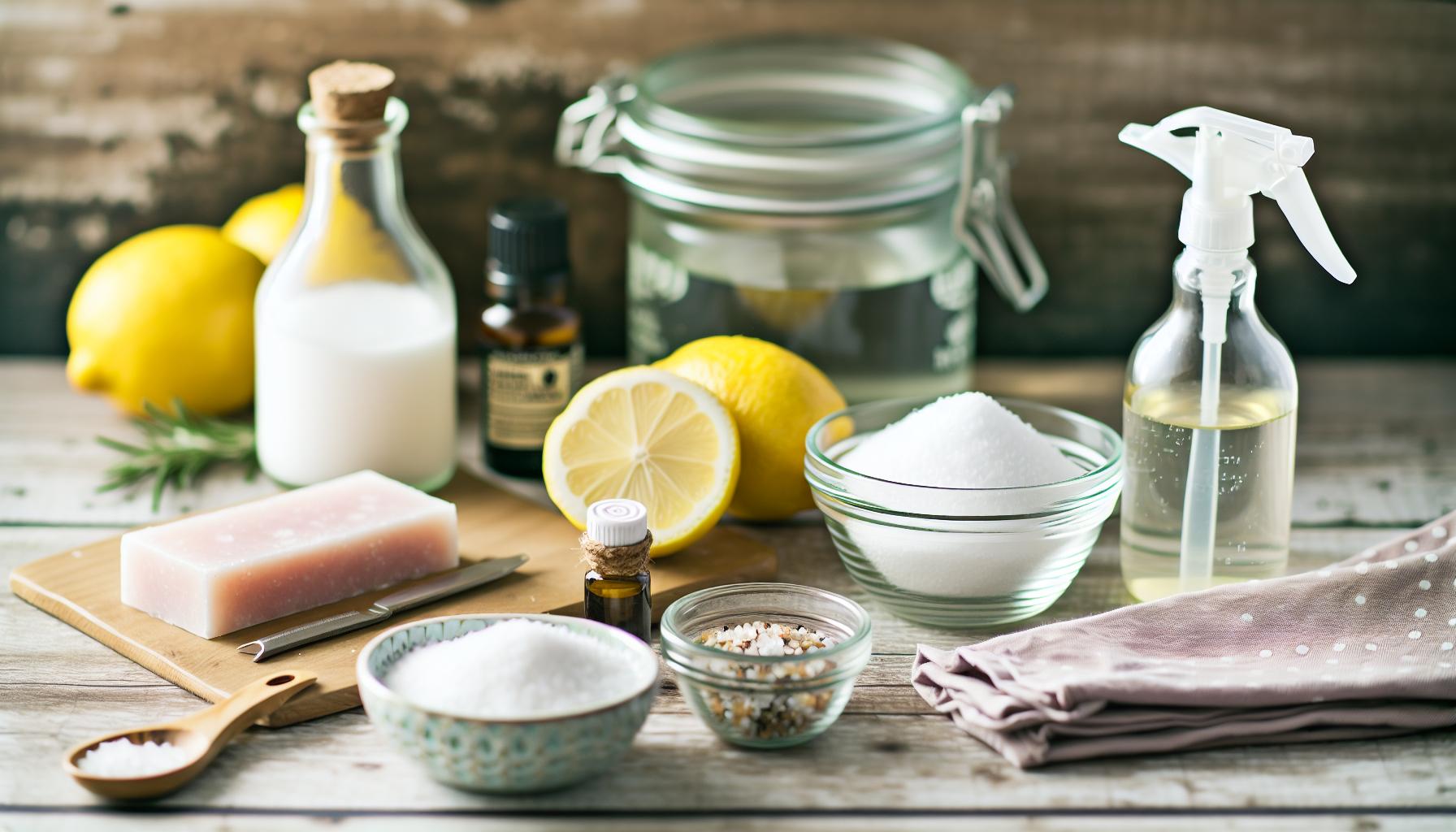
Creating your own cleaning solutions not only lowers your carbon footprint but also infuses your home with the warmth and charm intrinsic to cottage living. When looking for natural alternatives to commercial cleansers like Windex, there are several delightful ingredients that can turn a mundane task into an enjoyable ritual of crafting, while also ensuring the safety and freshness of your home environment.
Vinegar is a star ingredient in many natural cleaning recipes, prized for its ability to cut through grime and disinfect surfaces. Its acidity works wonders on glass, leaving it streak-free and sparkling. For a refreshing twist, pair vinegar with citrus peels or a few drops of lemon essential oil, bringing a bright, uplifting scent into your space while boosting cleaning efficacy.
Baking soda is another versatile powerhouse that adds a gentle abrasive quality, making it perfect for scrubbing away stubborn stains. When combined with vinegar, it creates a fizzy reaction that effectively tackles tough dirt and odors. This delightful concoction can be used in various places around your cottage, from kitchen counters to bathroom sinks.
For those who appreciate the aromatic benefits of nature, essential oils can elevate your cleaning game. Oils such as tea tree, lavender, or eucalyptus not only impart lovely fragrances but also possess natural antibacterial and antiviral properties. A few drops mixed into your homemade cleaners can create a comforting olfactory experience, transforming cleaning into a soothing ritual.
Top Natural Ingredients for Your DIY Cleaners
- Vinegar: Effective for cutting grease and disinfecting surfaces.
- Baking Soda: Ideal for scrubbing and deodorizing.
- Water: The base for most cleaning solutions, diluting other ingredients.
- Citrus (Lemon or Orange): Provides natural fragrance and boosts cleaning power.
- Essential Oils: Adds pleasant scents and enhances antibacterial properties.
In delightfully small batches, you can whip up cleaners that resonate with personal touches and natural charm, creating a sense of accomplishment and connection. Whether you’re cleansing your windows or sprucing up your countertops, embracing these natural ingredients within your cottage lifestyle not only enhances your living space but also encapsulates the essence of handmade beauty and sustainability.
Easy Recipes for Cottage-Friendly Cleaners
Crafting your own cleaners not only fosters a healthier living environment but also evokes a sense of nostalgia and comfort reminiscent of simpler times. Infusing your cleaning routine with natural ingredients allows you to evoke the charm of cottage living while ensuring your home sparkles without the harsh chemicals found in commercial products. Here are a few delightful and easy recipes that echo the rustic beauty of handmade solutions-and they smell divine too!
Start with a classic all-purpose cleaner that’s perfect for most surfaces around your cottage. Combine equal parts of water and white vinegar in a spray bottle. For an added touch of freshness, consider infusing the mixture with a few drops of essential oil, such as lavender or lemon. These oils not only leave behind a delightful fragrance but also enhance the antibacterial properties of your cleaner. Simply shake well before each use, and enjoy the comforting aroma as you wipe down surfaces.
For streak-free windows, whip up a natural glass cleaner that’s as effective as it is eco-friendly. In a spray bottle, mix 1 cup of water, 1 cup of vinegar, and the juice of one lemon. The acidity of the vinegar paired with the brightness of the lemon helps dissolve grime while leaving behind a crystal-clear finish. To avoid lint, use a microfiber cloth or old newspaper for polishing. This recipe is perfect for those sunny cottage mornings when the sun streams through your sparkling windows, illuminating your cozy haven.
If you’re tackling stubborn kitchen stains or bathroom grime, a baking soda paste can be a game changer. Combine 1/2 cup of baking soda with just enough water to form a thick paste. Apply it directly to the stains, allow it to sit for a few minutes, and scrub gently with a sponge. The natural abrasiveness of baking soda will lift tough stains without scratching surfaces, ensuring that your cottage feels inviting and clean.
Embrace these easy recipes to transform your cleaning routine into a soothing ritual, channeling the spirit of cottage living. Crafting your own cleaners not only elevates your home’s ambiance but also nurtures a connection to the environment by using simple, effective, and natural ingredients. Let each spray and wipe be a celebration of sustainability and the cozy charm you cherish in your rustic abode.
How to Make a Natural Glass Cleaner
Crafting a natural glass cleaner is a delightful way to ensure that your windows sparkle without the harsh chemicals often found in commercial products. This charming solution embodies the essence of cottage living-simple, safe, and effective. Using a few basic ingredients, you can create a gentle yet powerful cleaner that will leave your glass surfaces shining bright and free from streaks.
To create your own natural glass cleaner, all you need are three staple ingredients that you likely already have in your kitchen: white vinegar, water, and fresh lemon juice. Combine 1 cup of water, 1 cup of white vinegar, and the juice of one lemon in a spray bottle. This classic recipe harnesses the natural acidity of vinegar and lemon to break down grime and eliminate streaks, resulting in crystal-clear glass. Just imagine waking up to sunlit mornings with views through perfectly clean windows that enhance your cozy haven!
For best results, use a microfiber cloth or a piece of old newspaper when you’re ready to polish the glass. These materials help to absorb moisture effectively and prevent lint residue. You may find that the simple act of spritzing and wiping down your windows brings a sense of peace to your cleaning routine, reminding you of the charm of rustic living. As the sun filters through the polished glass, it creates a warm glow that imbues your cottage with a feel-good ambiance.
In addition to being effective, this natural glass cleaner is also exceptionally budget-friendly and eco-conscious, perfectly aligning with the values of cottage life. While the commercial options may be tempting, this homemade concoction not only avoids toxic chemicals but also invites you to embrace the soothing, simple joys of crafting your own cleaning solutions. Ultimately, transforming your windows into sparkling vistas serves as a beautiful metaphor for how we can bring clarity and brightness into our homes, both physically and spiritually.
Essential Oils for a Fresh, Clean Home
Incorporating essential oils into your cleaning routine can elevate your home environment, creating a fresh, inviting space that resonates with the essence of cottage living. These aromatic oils not only add delightful scents to your DIY cleaning solutions but also offer antibacterial and antifungal properties, making them excellent natural alternatives to chemical-laden products. With just a few drops, you can transform not only the air but the entire character of your home, filling it with warmth and welcoming aromas reminiscent of blossoming gardens and sun-drenched meadows.
When choosing essential oils, consider the multifunctional benefits they bring. For instance, tea tree oil is revered for its strong antimicrobial properties, making it a perfect addition to bathroom cleaners and dishes. Lavender oil promotes a calming atmosphere, ideal for dusting or laundry solutions. Meanwhile, lemon oil not only cuts through grease but also imparts a fresh, citrusy fragrance that enlivens the room. Here’s a quick list of essential oils and their roles in cottage cleaning:
- Tea Tree Oil: Antimicrobial, great for bathrooms and kitchens.
- Lavender Oil: Calming, excellent for dusting and laundry.
- Lemon Oil: Degreaser and freshener, perfect for kitchen surfaces.
- Pine Oil: Antiseptic, enhances the freshness of floors and surfaces.
To craft a delightful all-purpose cleaner, combine one cup of water, one cup of white vinegar, and 15-20 drops of your chosen essential oil in a spray bottle. This blend not only cleans effectively but will also diffuse a lovely scent throughout your cottage as you tidy up. You can also explore mixing different oils to create a signature scent that reflects your personal style.
Embracing the use of essential oils in your cleaning regimen not only enhances the physical cleanliness of your home but also nurtures your spirit, cultivating an atmosphere of harmony and peace. Let each breath of fresh, aromatic air remind you of the beauty found in simplicity and the craftsmanship that reflects a cozy, rustic lifestyle. By choosing natural alternatives, you create not just a cleaner home but a nurturing haven that radiates well-being and comfort to all who step inside.
Eco-Friendly Tips for Green Cleaning
Creating an eco-friendly cleaning routine in your cottage doesn’t have to be a daunting task. By incorporating simple, natural alternatives into your cleaning arsenal, you can maintain a sparkling clean home while nurturing the planet. Vinegar, for instance, is a powerful multitasker that’s safe for most surfaces. It cuts through grime, eliminates odors, and leaves a streak-free shine on your windows-making it a stellar replacement for commercial glass cleaners. Simply combine equal parts water and vinegar in a spray bottle, and you’ve got a homemade cleaner that works wonders!
Alongside vinegar, baking soda is another star ingredient. This gentle abrasive can tackle tough stains and freshen carpets. Mix it with a little water to create a paste for scrubbing surfaces, or sprinkle it on your carpets before vacuuming for an extra freshness boost. Additionally, using natural soap, such as castile soap, can enhance your cleaning routine, providing an effective and biodegradable option for washing floors and surfaces without harsh chemicals.
To keep your cottage living space vibrant and welcoming, add a splash of essential oils to your cleaning mixtures. A few drops of refreshing lemon oil can brighten your homemade surface cleaners, while calming lavender can not only purify the air but also uplift your spirit as you tidy up. As you embrace these eco-friendly practices, remember that the key to green cleaning lies not just in the products but also in the mindset. Celebrate the simple pleasures of cottage life by cherishing handcrafted beauty and taking an active role in protecting our planet, one cleaning session at a time.
Lastly, don’t forget the joy of reusing and repurposing! Instead of reaching for disposable paper towels, opt for reusable cloths made from old cotton fabric or dedicated cleaning rags. This small change not only cuts down on waste but infuses your cleaning routine with a touch of cottage charm-bringing the cozy spirit of your home into every task. Through these simple actions, you not only create a cleaner environment but foster a connection with the beautiful, sustainable lifestyle of cottage living.
Cottage Living: A Cleaner, Safer Home
In the heart of cottage living, the focus on creating a cleaner and safer home resonates deeply with the ideals of simplicity and sustainability. This ethos is not just about having spotless surfaces but also about cultivating an environment that nurtures health and wellness, both for ourselves and the planet. The switch to natural cleaning alternatives, especially in places where we relax and create memories, brings joy and peace of mind, allowing us to appreciate the beauty of our rustic settings without the interference of harsh chemicals.
Imagine reaching for a bottle filled with a gentle concoction of vinegar and distilled water, a far cry from the industrial scents of commercial cleaners. This natural blend not only shines your windows but does so without leaving behind harmful residues that can linger in the air or be absorbed by your family. With a simple spray and a soft cloth, you’re left with gleaming glass that reflects the world outside-trees swaying in the breeze and sunlight pouring through. Here, cleaning becomes a meditative practice, a chance to engage with your surroundings and feel connected to the natural world.
As you dive into crafting your own cleaning solutions, consider the beauty of adding essential oils. A few drops of invigorating eucalyptus or calming lavender can transform ordinary cleaning tasks into a fragrant experience. Encourage a cozy atmosphere by mixing a blend that not only cleans but also refreshes your space, bringing the essence of nature indoors. Sharing these practices with family and friends can create bonds and inspire them to embrace this nurturing approach to home care.
In the spirit of sustainability, our cleaning routines can also echo the charm of cottage life by incorporating upcycled materials. Instead of buying new sponges or paper towels, look around your home for soft rags made from old cotton shirts or fabric scraps-these can become your trusty cleaning companions. Each swipe not only cleans your surfaces but also tells a story of resourcefulness and creativity, carving out a unique place in your cottage narrative. Embracing these natural practices transforms your cleaning routines into an act of love, not just for your home, but for the Earth itself.
Storing and Using Homemade Cleaners Safely
Creating your own homemade cleaners is a gratifying venture that not only enhances the ambiance of your cottage but also nurtures your connection to nature. However, safe storage and usage of these natural blends are paramount to ensure both effectiveness and safety. Always store your homemade cleaners in labeled, transparent spray bottles-preferably glass or high-quality plastic-to prevent any chemical leaching. This not only allows you to identify contents easily but also adds a charming aesthetic to your cleaning routine.
Make sure to keep these bottles out of reach of children and pets, as even natural ingredients can pose risks if ingested or misused. It’s wise to store your cleaners in a cool, dark place to extend their shelf life. For instance, vinegar-based cleaners can last up to six months, while those containing essential oils may have a shorter lifespan. Regularly check the appearance and smell of your concoctions; if they change significantly, it’s best to dispose of them to avoid any unpleasant surprises during your cleaning sessions.
When using your natural cleaners, consider the surfaces and materials you are treating. Test a small area first, particularly on sensitive surfaces, to ensure no adverse reactions occur. For example, a vinegar solution can work wonders on windows, but may not be suitable for marble or granite tops, which require gentler cleaners. Embrace the cozy cottage rhythm of cleaning by developing a routine that allows you time to enjoy the process. Perhaps you can play your favorite music or light a soothing candle as you wipe down surfaces, turning what could be a mundane chore into a joyful ritual that reflects your love for your home.
Lastly, always consider incorporating an empty spray bottle into your cleaning kit, specifically for diluting your homemade cleaners with water as needed. This practice not only enhances your cleaning power but also showcases your mindful approach to resourcefulness. By creating a safe, organized, and enjoyable atmosphere for storing and using your natural cleaners, you join a community that celebrates the beauty of sustainable living, making each cleaning session an extension of your cottage spirit.
Comparing Cost: Natural vs. Store-Bought
When considering your cleaning choices, the comparison of costs between natural and store-bought cleaners reveals an inviting opportunity for embracing a more rustic and sustainable lifestyle in your cottage. You might marvel at the fact that a simple bottle of vinegar, the staple of many natural cleaning recipes, typically costs significantly less than a branded window cleaner. While store-bought solutions often boast convenience, they come at a price that goes beyond mere dollars; it can include unnecessary chemicals and plastic waste, which many cottage dwellers are keen to avoid.
Natural cleaning solutions usually leverage common household ingredients like vinegar, baking soda, and essential oils, producing a potent combination that not only cleans but also deodorizes and sanitizes. Here’s a quick breakdown of estimated costs for both methods:
| Item | Natural Cleaning Solution (approx.) | Store-Bought Equivalent (approx.) |
|---|---|---|
| Vinegar (1 gallon) | $3 | $0 |
| Baking Soda (4 lbs) | $2 | $0 |
| Essential Oils (1 oz) | $5 | $0 |
| Store-Bought Cleaner (16 oz) | $0 | $3 |
Despite the initial investment in bulk natural ingredients, they can produce countless bottles of homemade cleaners. The cost efficiency increases with volume; for example, one bottle of homemade glass cleaner can be made for just a fraction of the price of its store-bought counterpart. Moreover, you can enjoy the delightful, fresh scents of citrus or lavender, turning cleaning into a holistic experience that invigorates your spirit, unlike the sometimes overpowering chemical scents of many commercial products.
In your cozy cottage, adopting natural cleaning solutions isn’t just about saving money; it’s also about crafting a nurturing environment that reflects your values. Imagine the satisfaction of transforming ordinary ingredients into customized cleaning potions that resonate with your rustic aesthetic. As you embrace this creative path, you’ll find that engaging with nature through your cleaning routine becomes a gratifying ritual, making every swipe and polish a step towards a cleaner, more sustainable home.
Common Myths About Natural Cleaners
Many individuals shy away from natural cleaners due to misconceptions that can easily be debunked. One of the most common myths is that natural solutions are ineffective compared to their chemical-laden counterparts. On the contrary, ingredients like vinegar, baking soda, and essential oils possess remarkable cleaning properties that can tackle everyday messes with ease. For instance, vinegar not only cuts through grease but also helps to eliminate mildew and odors. Baking soda acts as a gentle abrasive, perfect for scrubbing without scratching surfaces.
Another widespread belief is that homemade cleaners require excessive effort and time. In reality, crafting these eco-friendly alternatives can be remarkably quick and straightforward, often involving just a few minutes of prep. Many recipes call for basic ingredients readily available in most homes, enabling anyone to whip up a cleaner while enjoying a cozy afternoon at their cottage. Mixing a simple solution of vinegar and water for glass cleaning, for example, can be done in seconds and delivers a streak-free shine-something not all commercial cleaners can boast.
Some people also worry that natural cleaners won’t be safe for all surfaces, fearing the possibility of damage. However, most natural ingredients are gentle enough for regular use on a variety of materials, from wood to glass. Still, it’s always wise to conduct a small patch test on new surfaces to ensure compatibility. Trustworthy resources often provide insights into specific applications, guiding you to make informed choices safely.
Understanding the realities of natural cleaning solutions empowers you to embrace the charm of cottage living fully. By debunking these myths, you can confidently swap out harsh commercial products for wholesome, handcrafted cleaners, turning your cleaning tasks into an enjoyable reflection of your values. It’s a simple yet profound way to nurture your home and contribute positively to the environment-after all, creating a rustic, loving space is about harmony with the world around us.
Transforming Your Cleaning Routine: A Step-by-Step Guide
Imagine walking into your sunlit cottage, the air filled with the fresh scent of nature, knowing you’ve used cleansers that not only clean beautifully but are also gentle on the earth. Transforming your cleaning routine doesn’t have to be complex; a few simple steps can bring a wave of rustic charm into your home while avoiding harsh chemicals.
Start by gathering your materials. You’ll need a few key ingredients that you likely already have in your pantry: vinegar, baking soda, lemon juice, and essential oils. Each of these ingredients offers unique properties, such as vinegar’s powerful acidity that tackles grime and baking soda’s gentle abrasiveness for scrubbing. Essential oils can provide natural fragrances and additional antibacterial benefits. Here’s how you can substitute commercial glass cleaners like Windex with natural alternatives that embody the warmth of cottage living.
Step 1: Create Your Natural Glass Cleaner
Mix 1 part vinegar with 1 part water in a spray bottle. For added freshness, consider adding a few drops of your favorite essential oil, such as lavender or lemon. Shake well before each use and apply to glass surfaces with a soft cloth or paper towel for a streak-free finish. This mixture not only works effectively but also leaves your home smelling lovely and inviting.
Step 2: Spruce Up Your Surfaces
If you’re tackling other surfaces, consider making an all-purpose cleaner. Combine 1 cup of vinegar, 1 cup of water, and a teaspoon of dish soap (preferably biodegradable) in a spray bottle. This solution is perfect for countertops, bathroom tiles, and even stovetops, allowing you to maintain a clean and serene cottage environment effortlessly.
Step 3: Embrace the Magic of Baking Soda
Baking soda can be a vital ally in your cleaning arsenal. For tough stains in sinks or on stovetops, sprinkle baking soda directly on the surface and scrub with a damp sponge for a gentle abrasiveness that leaves everything sparkling clean.
Remember to store your homemade cleaners in cool, dark places and label each bottle clearly, noting their purpose and ingredients. Using these simple, handcrafted solutions not only nurtures your home but also aligns with the eco-friendly lifestyle many of us cherish in our cottage escapes. Switch to these natural alternatives and turn your cleaning routine into a reflection of your personal values and commitment to sustainability.
Frequently asked questions
Q: What natural ingredients can I use as a substitute for Windex?
A: You can use white vinegar, lemon juice, or baking soda mixed with water as natural substitutes for Windex. These ingredients effectively cut through grease and grime while being eco-friendly. For best results, combine one part vinegar or lemon juice with one part water in a spray bottle.
Q: How do I make a DIY glass cleaner without Windex?
A: To create a DIY glass cleaner, mix equal parts of water and white vinegar in a spray bottle. This solution is effective for cleaning windows and mirrors, leaving them streak-free. For added fragrance, include a few drops of essential oil, like lavender or lemon.
Q: Are there effective alternatives to Windex that smell better?
A: Yes, alternatives like essential oil-infused vinegar cleaners can provide a pleasant scent. Combine vinegar with water and add a few drops of essential oils such as tea tree or eucalyptus. This not only cleans effectively but also leaves a fresh aroma.
Q: Can I use olive oil as a glass cleaner?
A: Olive oil should not be used as a glass cleaner on its own. While it can help polish wood and surfaces, it may leave streaks on glass. Instead, use it in combination with vinegar for a dual-purpose cleaner that shines both glass and wood.
Q: What are the benefits of using natural cleaning products instead of Windex?
A: Using natural cleaning products can reduce exposure to harsh chemicals, making your home safer for children and pets. They are also more environmentally friendly and often cost-effective. Furthermore, many natural cleaners are biodegradable, reducing chemical pollution.
Q: Where can I store my homemade natural cleaners?
A: Store your homemade natural cleaners in dark, cool areas, ideally in glass containers. This prolongs their effectiveness and prevents degradation of the natural ingredients. Make sure to label them clearly for safety and easy identification.
Q: Is vinegar safe to use on all surfaces?
A: No, vinegar is acidic and can damage some surfaces, such as marble, granite, or waxed wood. Always test a small, inconspicuous area first. For safe cleaning, consider using vinegar on ceramic, glass, and some metal surfaces only.
Q: How do I troubleshoot streaks when using natural cleaners?
A: If you’re experiencing streaks with natural cleaners, ensure you’re using a clean microfiber cloth. Avoid cleaning in direct sunlight, as it can cause the cleaner to dry too fast. Additionally, dilute your cleaner more if necessary and use less product on the cloth.
The Conclusion
As you explore the wholesome world of natural cottage alternatives to Windex, remember that embracing simple, eco-friendly cleaning solutions not only enhances your home’s ambiance but also supports a healthier lifestyle. Dive into our DIY decor projects or discover seasonal gardening tips to complement your newfound cleaning routine-your cozy cottage deserves it!
Feeling inspired? Don’t miss out on our guide to effective farmhouse recipes or the enchanting world of miniature builds in Minecraft. We invite you to sign up for our newsletter for more delightful insights! If you have questions or favorite natural alternatives, share your thoughts in the comments below-let’s cultivate a vibrant community together. Discover the joy of rustic living as you make your home a sanctuary of comfort and creativity!